
The benefits of castor oil for skincare

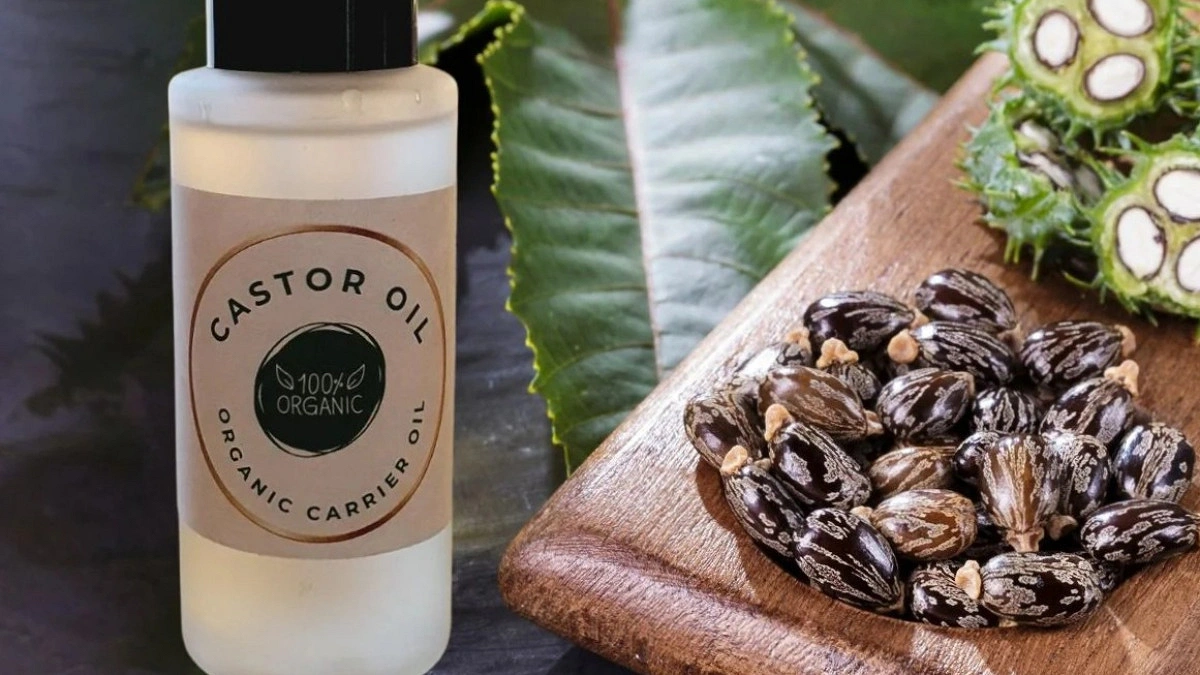
Collected Photo
The beauty world’s current obsession with castor oil might feel like a modern trend, but this heavy-duty botanical has been a cosmetic staple for centuries. While it frequently pops up in viral hair and skincare hacks, its true value lies in how it functions as a deep moisturizer and formula enhancer.
What Dermatologists Say About the Benefits
Deep Hydration and Softening: Castor oil acts as an effective skin-conditioning agent. According to California-based dermatologist Dr. Cynthia Bailey, it works as a lubricant that leaves skin feeling soft and supple. Dr. Robin Evans compares the effect to turning a raisin back into a plump grape—moisturized skin simply looks fresher and more youthful.
Soothes Dryness and Inflammation: The oil is rich in ricinoleic acid, a unique fatty acid packed with anti-inflammatory, antimicrobial, and antioxidant properties. Dr. Gary Goldenberg notes that because dry skin is often inflamed, this chemical profile helps calm irritation while sealing in moisture.
Enhances Product Performance: Beyond its solo benefits, castor oil easily penetrates the skin’s surface, which helps other beneficial ingredients in your skincare routine absorb more effectively.
1. Deeply Hydrates and Calms Dry Skin
Though scientific research remains limited, dermatologists agree that castor oil works as a powerful lubricant to give skin a fresh, youthful glow—much like turning a dried raisin into a plump grape, according to Dr. Robin Evans. Its main superpower comes from ricinoleic acid, a fatty acid with anti-inflammatory, antimicrobial, and antioxidant properties. Because dry skin is frequently inflamed, Dr. Gary Goldenberg notes that ricinoleic acid helps calm irritation while locking in moisture. To use it, smooth a few drops over dry areas before bed or blend it into your daily moisturizer once or twice a day.
Caution: Castor oil isn't for everyone. It is mildly pore-clogging (comedogenic) and can trigger breakouts in oily skin or worsen irritation for conditions like eczema.
2. Tames Frizz for a Sleeker Finish
Thanks to its lubricating properties, castor oil smooths down dry, unruly strands to tame flyaways. However, Dr. Evans points out that almost any pantry oil can achieve a similar effect. Use a very light hand; applying too much will leave your hair looking greasy rather than sleek.
3. Delivers Intense Shine
Castor oil alters how light reflects off the hair shaft, giving your locks a noticeably glossy finish. Because its heavy texture can cause hair to mat, Dr. Cynthia Bailey recommends diluting it:
Hydrating Hair Treatment: Mix equal parts castor oil and coconut oil (about 2–3 tablespoons each). Massage the mixture through your hair, comb it out, and cover with a shower cap. Leave it on for a few hours before thoroughly washing it out.
4. Helps Repair and Protect Damaged Hair
Heat styling, harsh dyes, chemical treatments, and environmental stressors all take a toll on hair health. Castor oil works double-duty to reverse this damage by deeply hydrating both the hair shaft and the scalp's hair follicles while reducing scalp inflammation. Dr. Goldenberg suggests mixing it into a weekly hair mask for optimal repair.
5. Softens Rough Cuticles
Beyond skin and hair, castor oil makes an excellent targeted moisturizer for parched, ragged cuticles. Massaging a tiny drop into your nail beds helps seal in moisture and soften dry edges.
Cuticles serve as a protective barrier for your nail beds, so keeping them healthy is essential. Because castor oil is packed with rich fatty acids, Dr. Gary Goldenberg recommends massaging a tiny drop directly into your cuticles and nail folds before bedtime to deeply hydrate and repair dry skin.
6. Creates the Look of Fuller Eyebrows
While castor oil won't scientifically sprout new hair follicles, its deep conditioning properties can work wonders on sparse brows. Applying a small amount to your eyebrows overnight—and washing it off in the morning—helps condition each strand, making brows appear thicker and plumper.
7. Soothes Dandruff with an Overnight Scalp Treatment
Thanks to the anti-inflammatory power of ricinoleic acid, castor oil can help calm scalp irritation, which is a major culprit behind dandruff. Dr. Goldenberg suggests applying castor oil to your scalp before bed, wearing a shower cap overnight to protect your bedding, and thoroughly washing it out in the morning.
Potential Side Effects and Safety Precautions
While castor oil is generally safe for cosmetic use, there are a few key safety guidelines to keep in mind:
Avoid Ingestion During Pregnancy: Castor oil is a well-known folk remedy for inducing labor because it stimulates uterine and intestinal contractions. Obstetrician-gynecologist Dr. Sherry Ross advises against consuming castor oil while pregnant, though applying it topically to your skin or hair remains safe.
Risk of Contact Dermatitis: Topical application can occasionally trigger allergic reactions or skin irritation. If you notice an itchy or uncomfortable rash, stop using the oil immediately and consult a dermatologist if the symptoms persist.
Watch Out for Hair Felting: Using concentrated castor oil on your hair can cause "felting"—a condition where strands become severely matted and tangled. To prevent this, always dilute castor oil with lighter carrier oils (like coconut oil) before applying it to your hair.

Who Should Avoid It?
Castor oil isn’t a universal solution. Dr. Evans warns that it is mildly comedogenic, meaning it can clog pores and worsen breakouts for those with oily or acne-prone skin. Additionally, individuals with sensitive skin conditions like eczema may find that castor oil triggers flare-ups or contact dermatitis rather than offering relief.
How to Use It Safely
To incorporate castor oil into your routine, dermatologists recommend applying a few drops directly to dry patches, rough cuticles, or frizzy hair ends before bed. You can also blend a small amount into your daily moisturizer to boost its hydrating power.
(Source: prevention.com)


