
Ishwardi devastated by 'Lumpy Skin Disease', over 250 cattle dead in a month-and-a-half

Collected Photo
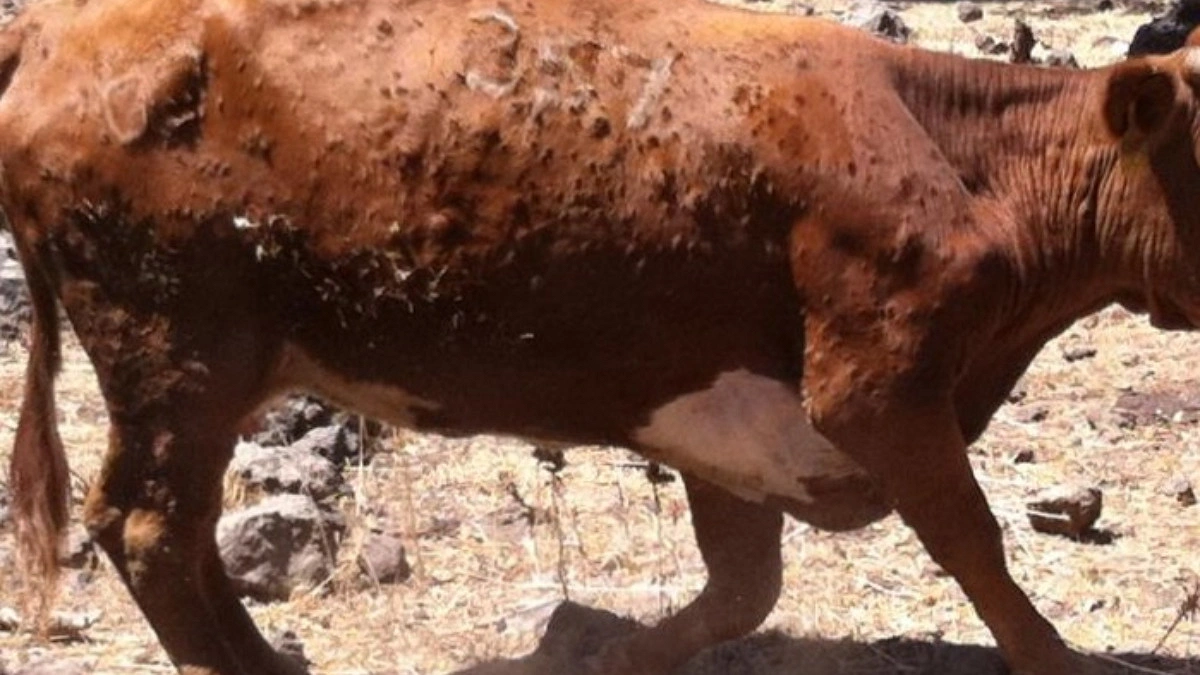
Lumpy skin disease in cattle has taken a severe turn in Ishwardi of Pabna district. In the past month and a half, over 250 cattle have died across various areas of the upazila due to the disease.
As the number of infected animals continues to rise sharply, panic has spread among farmers and cattle rearers. In the meantime, due to an inadequate supply of vaccines at the government level, they are at a loss regarding treatment and prevention. Even when they bring affected cattle to the Livestock Department, many are sent back with only advice.
According to the Upazila Livestock Office, Ishwardi has over 100,000 cattle, counting both small farmers and commercial farms. So far this year, an estimated 20,000 to 30,000 cattle have been infected with lumpy skin disease. About 40% of infected cattle are dying. The situation is even worse for calves. According to officials, the mortality rate among calves is as high as 80–90%.
Meanwhile, many marginal farmers, fearing loss of capital, are selling infected or at‑risk cattle at low prices.
Farmer Abdur Rakib told Agamir Somoy: "We already incur losses from farming throughout the year. On top of that, this year our cattle have been infected with lumpy skin disease. But we are struggling to get treatment. If the government had arranged for vaccination, we would not have had to worry about our cattle."
Every day, farmers are coming to the Upazila Livestock Office and the Veterinary Hospital with infected cattle. Although they bring cattle hoping for treatment, due to a shortage of vaccines, many are being sent back with only verbal advice instead of proper treatment. Farmers complain that if preventive measures had been taken from the start, many cattle could have been saved.
Animal disease experts say that lumpy skin disease in cattle was first detected in Bangladesh in 2019 in Chattogram. Treatment for the disease is not easy. Even if the disease strikes, its vaccine is not readily available. However, maintaining a clean environment inside and around the farm and reducing mosquito and fly infestation can help control the disease. If an infected animal is separated from the farm shed and covered with a mosquito net in a separate place, the spread of infection to other cattle can be prevented. Milk from infected cows should not be given to calves; instead, it should be buried in the ground.
Dr. Faruk Hossain, Veterinary Surgeon at the Ishwardi Upazila Livestock Hospital, said: "Almost every household and farm in the upazila has cattle and calves affected by this disease. Due to the lack of vaccines, even the infected cattle brought to the hospital often cannot be saved. If the vaccine could be administered before infection, 100% of the cattle could be saved. After they become diseased, even vaccination cannot save many animals."
The vaccine shortage is not limited to the local level—this was also acknowledged by Upazila Livestock Officer Aklima Khatun. She said: "The market price of a single bottle of vaccine is about 2,500 taka. If applied in the proper dosage, it can be effective in protecting infected cattle. But due to insufficient government supply, we are unable to administer vaccines as needed."
She added that multiple requests for adequate vaccine supplies have been sent to Dhaka. However, so far the supply received has been far less than what is required.


