
Oil Ship Bypassing Hormuz Costs Extra Tk 680 Million

Collected Photo
For the first time, 100,000 tons of crude oil from Saudi Arabia has reached Chattogram on Wednesday by avoiding the Strait of Hormuz. The alternative route and operational challenges added an extra transport cost of Tk 680 million.
Amid rising tensions in the Iran-US conflict, shipping risks, vessel shortages on the route, and higher crew premiums led the Bangladesh Shipping Corporation (BSC) to bring the oil through the longer route. Officials said ensuring fuel supply at this moment remains the top priority.
After a long wait and diplomatic efforts, the crude oil was transported via an alternative route from Saudi Arabia’s Yanbu port, said BSC Managing Director Commodore Mahmudul Malek. He said the operation was challenging, as it was the first time oil had been transported through this route bypassing Hormuz. However, it was completed successfully.
Although the BSC managing director did not disclose the transport cost, several officials of the Bangladesh Petroleum Corporation (BPC) said that before the conflict, transport cost per ton, including taxes, was $55. It has now increased to $110 per ton, meaning an additional $55 per ton. Accordingly, transporting 100,000 tons of oil has cost an extra Tk 680 million (at Tk 125 per US dollar).
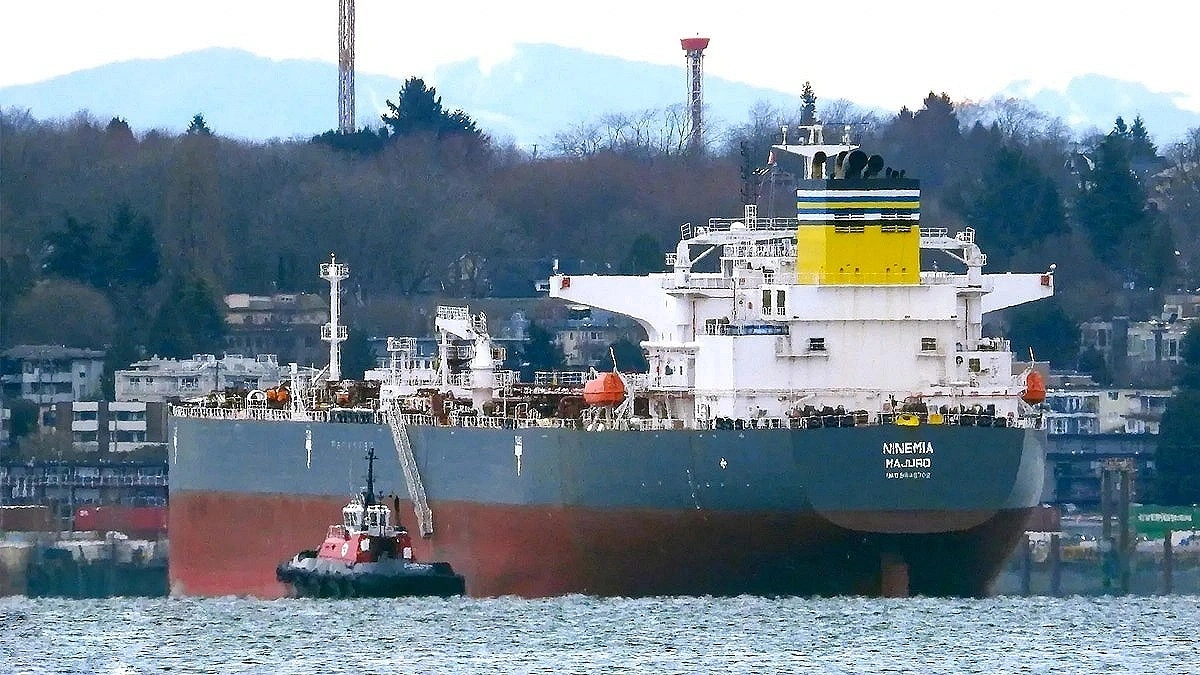
The arrival of the crude oil has revived operations at the Eastern Refinery. The state-owned refinery had been almost shut since April 14 due to a shortage of raw materials. The oil carried by the vessel MT Ninemia, which arrived near Kutubdia, is being transferred on Thursday to smaller vessels. It is then being taken to the Eastern Refinery in Patenga. Full-scale refining is expected to resume from Friday morning, which will meet about 20 percent of the country’s demand with refined fuel.
The Bangladesh Shipping Corporation is responsible for importing crude oil for the Eastern Refinery, while the Bangladesh Petroleum Corporation handles procurement. Previously, crude oil for Chattogram arrived from Saudi Arabia’s Ras Tanura port and the UAE’s Jebel Ali port through the Strait of Hormuz, using chartered foreign vessels. Due to the Iran–US conflict, oil shipments through this route have been suspended, leaving several Bangladeshi oil tankers stranded.
He added that preparations are underway to bring the next shipment from Yanbu port in Saudi Arabia. At the same time, another 100,000 tons of crude oil is being imported from the UAE’s Fujairah port, bypassing the Strait of Hormuz. Until the situation normalizes, oil will continue to be transported through alternative routes to keep the Eastern Refinery fully operational and ensure supply.
Commodore Mahmudul Malek added that using alternative routes has increased transport costs by about 2.5 times compared to normal periods. “How much the additional cost is will not be discussed at this moment. I am also not in a position to say it. My focus was to ensure fuel supply during the crisis,” he said.
After the Eastern Refinery shut down production on April 14, the government started importing refined oil from the international spot market at higher prices, requiring substantial subsidies. Officials say that despite higher transport costs, refining crude oil at the Eastern Refinery is more cost-effective than buying refined fuel.
A BPC official estimated that compared to importing expensive refined fuel for the market, refining crude oil domestically, even with higher transport costs, saves the government at least Tk 30 per liter, as the crude oil is still purchased at earlier lower prices and only transport costs have increased.
