
Government to provide low-cost LPG to poor rural families

Graphics: Agamir Somoy
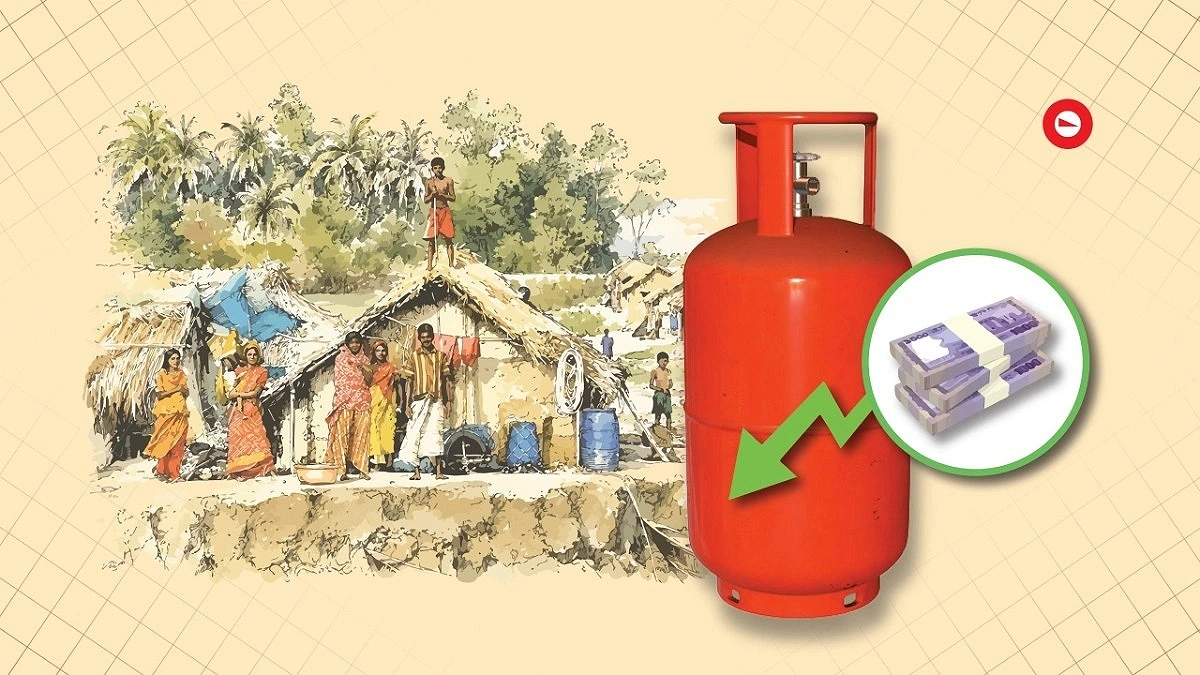
The government has taken an initiative to supply liquefied petroleum gas (LPG) cylinders at affordable prices to low-income families in remote and rural areas of the country. A policy decision on the matter was made at a meeting of the Cabinet Division chaired by Prime Minister Tarique Rahman on July 9.
The Energy and Mineral Resources Division is now working on the process, including how the program will be implemented and who will receive the benefit. Officials hope it will be launched soon.
Experts say the government’s initiative will open a new horizon in ensuring energy security for marginalized communities, as well as protecting the environment, strengthening the rural economy and improving public health. The living standards of people in remote areas are also expected to improve.
To make the initiative successful, they recommend first identifying the genuinely poor households and creating a transparent database. At the same time, they say strict monitoring measures are needed to ensure that the subsidized cylinders are not diverted for commercial purposes or sold to tea stalls.
For a long time, a large portion of the country’s population has depended on traditional fuels such as firewood, straw and dried cow dung for cooking. As a result, forests are being indiscriminately destroyed, while harmful smoke from cooking stoves is causing severe lung damage to rural women and children.
However, some financially well-off people in villages are now using LPG cylinders. But due to soaring prices, they are unable to use them regularly.
LPG is mainly used for household cooking, industrial activities, commercial purposes and as vehicle fuel (autogas). Over the past seven years, LPG consumption in the country has more than doubled to exceed 1.5 million tons. About 80 percent of LPG is used in households. The country’s average monthly LPG market currently stands at 130,000 tons.
About 98 percent of the LPG supplied in the country comes from the private sector, while only 2 percent is supplied by the government. However, government-supplied LPG remains out of reach for ordinary people. The 12-kilogram cylinder is the most widely used for household purposes. At present, the price of a 12.5-kilogram cylinder supplied by the state-owned company is Tk 825. The price has remained unchanged for a long time.
On the other hand, LPG supplied by private companies costs nearly double and sometimes even more. Although the Bangladesh Energy Regulatory Commission sets LPG prices every month, the fuel is rarely available at those rates in the market. Retailers are charging extra prices at will under various pretexts.
Countries around the world, particularly those in South Asia, have adopted various models and alternative technologies to address energy shortages among marginalized populations. India has implemented one of the world’s largest and most successful projects in providing affordable or free LPG connections to poor families. Under the program, many families living below the poverty line have received free LPG cylinders and regulator connections. The most notable feature of India’s system is direct subsidy payments to bank accounts. Consumers buy cylinders at market prices, but the government directly transfers a fixed amount of subsidy to the bank accounts of poor beneficiaries, eliminating opportunities for corruption and black marketing by middlemen.
In Pakistan, temporary announcements are sometimes made during winter to provide quotas or low-cost LPG cylinders to poor families in remote areas.
