
Solar Power Generation Grows 17 Times More Than Gas-Based Electricity Globally

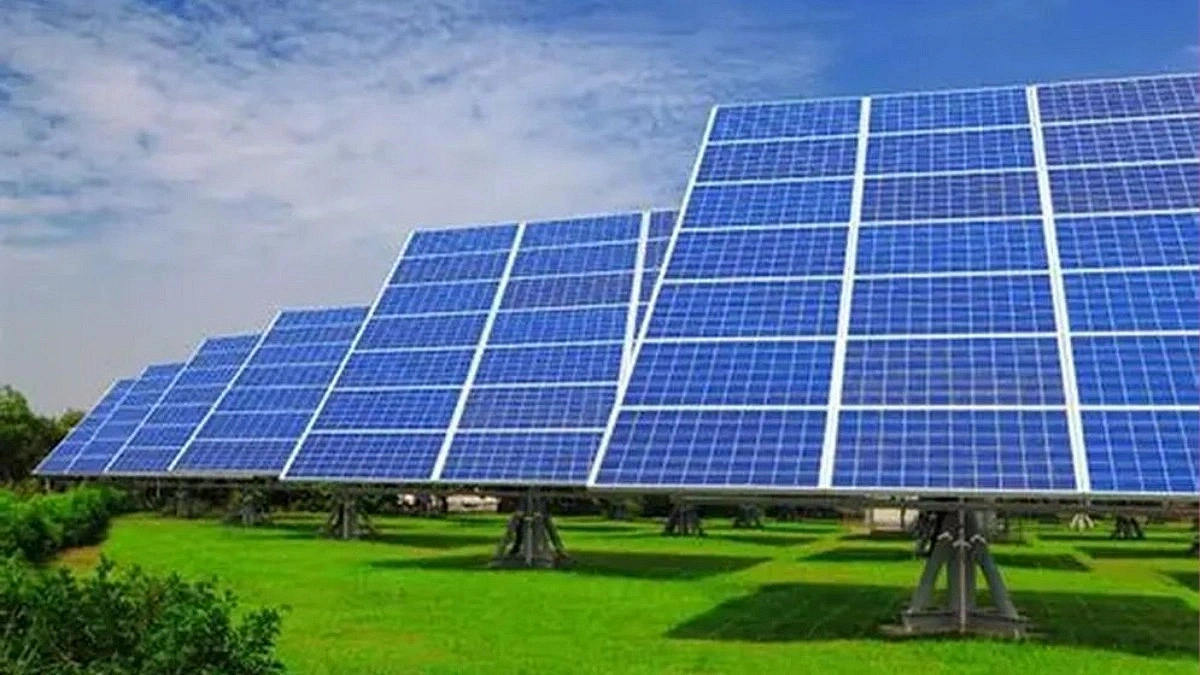
Collected Photo
In 2025, solar power generation increased 17 times more than natural gas-based electricity worldwide. This trend makes the rapid shift toward renewable energy in the global power sector even clearer, according to Ember, an international energy research organization.
A new analysis published by the organization on Tuesday states that for the fifth consecutive year, the share of gas-based electricity generation declined globally in 2025. Researchers say this indicates a major structural change in the global power sector.
According to the report, natural gas accounted for 23.9% of global electricity generation in 2020. By 2025, that share had fallen to 21.8%. Furthermore, out of 124 economies that generate gas-based electricity, 61 have already passed their peak level of gas-powered generation. These include four G7 countries: the United Kingdom, Germany, Italy, and Japan.
Although gas-based electricity generation increased slightly in 2025, solar power growth was far higher. That year, solar generation rose by 636 terawatt-hours (TWh), while gas-based generation increased by only 38 TWh.
As a result, solar power met nearly 75% of new global electricity demand in 2025, whereas gas contributed only 5%. The report also notes that growth in gas-based electricity generation between 2021 and 2025 fell to nearly half of what it was between 2016 and 2020.
Małgorzata Wiatros-Motyka, Senior Electricity Analyst at Ember, said that economic realities and energy security logic in power systems are now moving in the same direction.
She added that renewables are lowering costs while also reducing fuel price volatility and geopolitical risks. Consequently, the advantages of gas in power generation—which once established it as a dominant fuel—are steadily diminishing.
The report states that recent geopolitical developments have also created an opportunity to reassess gas's role. Following Russia's invasion of Ukraine in 2022, fuel prices spiked, and many countries in Europe and Asia pivoted rapidly toward renewables. Meanwhile, recent instability in LNG markets related to the Middle East crisis has further increased the risks of imported fuels.
Wiatros-Motyka said the risks of imported gas are now clear. That is why countries are gradually moving toward renewables, which can be produced domestically, have relatively stable prices, and can be deployed quickly.
"The analysis shows that growth in gas-based electricity generation is now becoming limited to a few specific countries. In 2025, the United States accounted for 26 percent of global gas-based electricity generation.
Among G7 countries, gas-based electricity generation fell by 50 TWh in 2025. Over the same period, renewable electricity generation increased by 123 TWh. As a result, renewables have nearly caught up with gas in these countries, and clean energy overall has surpassed fossil fuels.
The report also states that while major emerging economies are rapidly increasing their electricity demand, gas usage is not growing at the same rate. Together, China, India, and Brazil met nearly 42 percent of global electricity demand in 2025. However, all three countries generate electricity using relatively low amounts of gas.
In India, gas's share fell from 12.6 percent in 2010 to 2.3 percent in 2025. In Brazil, after peaking at 13.7 percent in 2014, it now stands at 7.3 percent. In China, despite rising electricity demand, gas's share remains stable at around 3 percent.
According to Ember, the global energy crisis is accelerating the shift away from imported fossil fuels. Countries are now prioritizing locally produced clean energy to reduce costs, strengthen energy security, and enhance economic competitiveness.
Overall, due to the rapid spread of renewable technologies and the fact that many countries have already passed their peak gas generation, the report concludes that the world is approaching a potential peak point for gas-based electricity generation."
