
Rajbari
Electricity being supplied in measured doses!

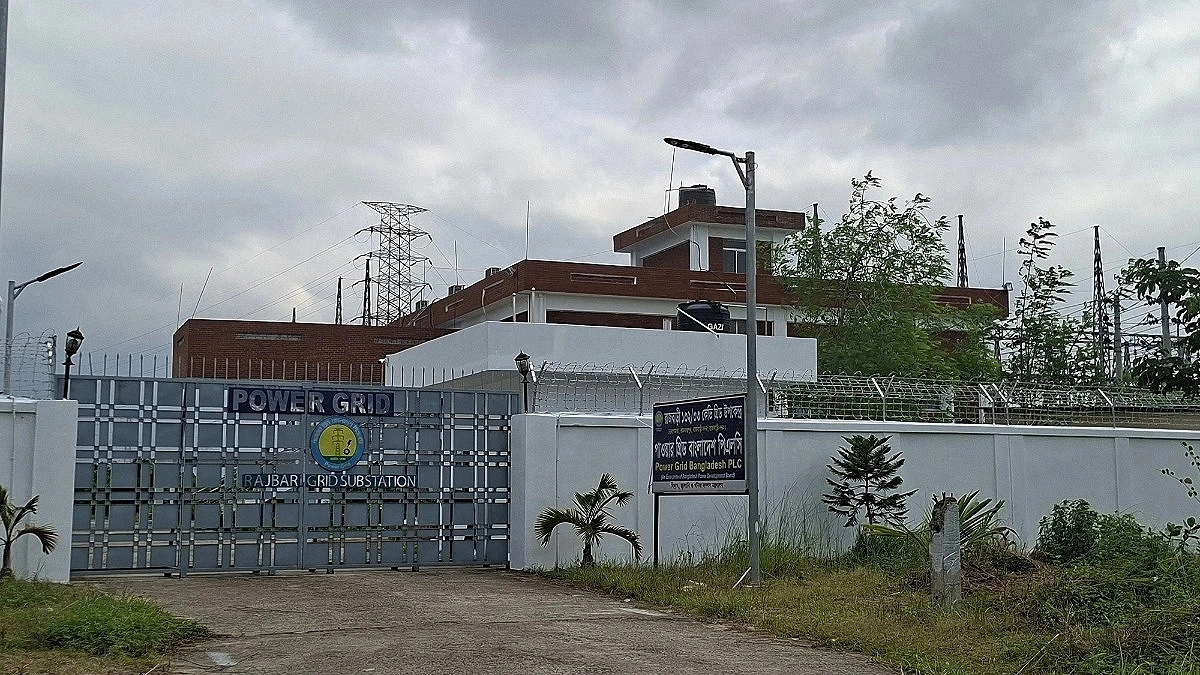
Photo: Agamir Somoy
As electricity demand rises amid intense heat, supply is falling to less than half of the demand. As a result, electricity is being supplied in Rajbari almost in measured doses. Customers are suffering from eight to nine hours of load shedding throughout the day and night. Frequent power cuts and restoration are causing hardship and damaging electrical appliances. Electricity dependent businesses and institutions are also facing severe disruptions.
Electricity is being supplied in intervals close to an hour. On Wednesday night, there was 58 minutes of load shedding from 12:47 am to 1:45 am. On Thursday, there was 55 minutes from 7:15 am to 8:10 am, 56 minutes from 10:24 am to 11:20 am and 55 minutes from 12:45 pm to 1:40 pm. Almost every time, electricity was cut off for 55 to 58 minutes.
The electricity supply crisis is disrupting welding, workshops, computer services, photocopying and operations at small and large electricity powered factories. Business owners have to sit idle for hours without electricity. Yet they still have to bear workers' wages and other expenses. Business owners said they are suffering losses every day as a result.
Customers complained that their suffering would be somewhat reduced if load shedding were carried out according to a planned schedule. However, electricity is frequently going out at night as well as during the day. On one hand, the intense heat is disrupting people's lives. On the other hand, the risk of damage to televisions, refrigerators and other electrical appliances is increasing.
Sabur Mollay, a Narua Palli Bidyut customer, said, “Load shedding is happening equally during the day and night. There is load shedding every hour. TVs, refrigerators and various electrical appliances are being damaged because electricity keeps going out and coming back frequently. On one hand there is the heat and on the other there is load shedding. I am exhausted by everything. Even though electricity usage has decreased, the bill keeps increasing.”
Zakir Hossain, a workshop businessman at Baliakandi Bazar under the West Zone Power Distribution Company Limited (WZPDCL), said, “My entire business depends on electricity. But I am not getting electricity for most of the day. Electricity also went out several times on Wednesday night. Since Thursday morning, load shedding has been taking place by the hour. This is causing severe losses in the business.”
Workshop owner Sumon said, “There is no electricity for hours during most of the day. When there is no electricity, we have to sit with the workers. At the end of the day, I still have to pay the workers' wages. If this continues, it will become difficult to keep the business running.”
A sawmill businessman said, “The electricity goes out just when we are about to lift the logs. Even when electricity returns, by the time we are ready, load shedding starts again.”
Engineer Md. Mamun or Rashid, executive engineer of the West Zone Power Distribution Company Limited (WZPDCL) in Rajbari, said, “We have about 125,000 customers in Rajbari. There are 14 feeders in the city. Load shedding is taking place for between one hour and half an hour. During peak hours, one hour of load shedding is being provided and at other times it is half an hour. Comparatively less load shedding is provided in hospital areas. Load shedding is being carried out equally in other areas.”
He said, “At night, the demand for electricity in Rajbari is about 46 megawatts but we are receiving 30 megawatts. During the day, the demand is about 40 megawatts but we are being allocated 25 megawatts. Load shedding is necessary because the allocation is lower than the demand.”
Engineer Golam Ahmad, general manager of Rajbari Palli Bidyut Samity, said, “There are about 243,000 customers under the Palli Bidyut Samity. Although the demand during the day is about 40 megawatts, we are receiving 26 megawatts. The situation is almost the same at night. Demand varies somewhat depending on the time of day. We are trying to provide equal load shedding in every area.”
He further said, “Load shedding is necessary because the allocation of electricity is insufficient compared with demand. Load shedding will decrease if we receive electricity supply according to demand.”
