

US Ends HIV Funding for South Africa

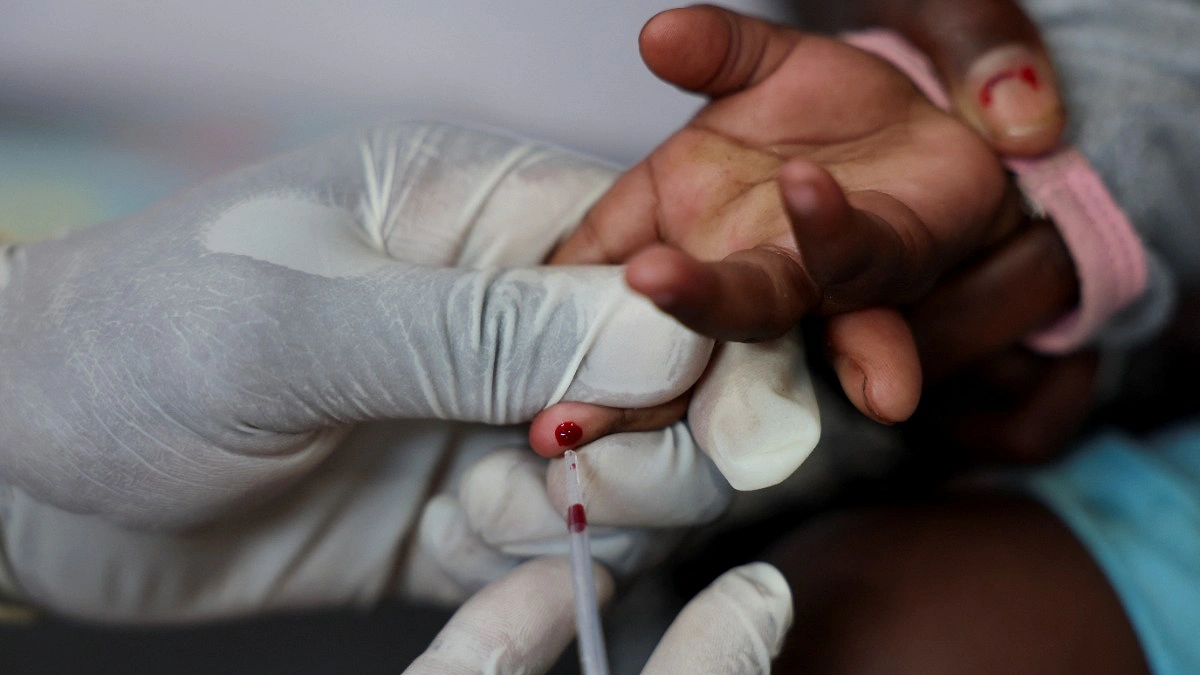
Photo: REUTERS
United States government announced a definitive end to its funding for HIV and AIDS programs in South Africa, a move that threatens to destabilize health initiatives in the country with the world’s highest HIV burden.
Over eight million South Africans currently live with the virus.
US State Department linked this decision to South Africa’s alleged failure to protect the white-minority Afrikaner community, an accusation the South African government has consistently denied.
Relations between the two nations have deteriorated sharply since the inauguration of President Donald Trump.
Shortly after taking office, Trump issued an executive order alleging that “countless” South African policies dismantled equal opportunities and incited violence “against racially disfavored landowners”.
Until 2025, the US supported South Africa’s HIV response with approximately $400 million (£300 million) annually through the President’s Emergency Fund for Aids Relief (Pepfar). Pepfar previously covered about one-fifth of the nation’s total HIV program spending.
A US State Department official confirmed that a “phased drawdown” of this funding has now commenced. The official attributed the cut to “South Africa’s failure to make demonstrable progress on policy requests by the administration.”
US intends to “foster self-reliance” and decrease dependency, asserting that “South Africa is a middle-income country and is more than capable of supporting its own health programs”.
The White House further justified the aid withdrawal by citing South Africa’s legal case against Israel at the International Court of Justice and its diplomatic ties to Iran, labeling these as “unjust and immoral practices”.
Trump has also made discredited claims of a “white genocide” in South Africa, leading his administration to establish a specific refugee program for Afrikaners. Currently, Afrikaners are among the only refugees granted entry into the US.
In response, the South African government maintains that its Black Economic Empowerment policy is essential to correct economic disparities inherited from the apartheid era.
Diplomatic efforts to repair the relationship have failed, including a tense White House meeting a year ago where Trump confronted President Cyril Ramaphosa regarding the alleged persecution of white citizens.
US also boycotted the G20 meeting hosted by South Africa last November.
South Africa’s health ministry noted it had not been officially informed of the withdrawal but stated it has “long been working on a self-reliance plan”.
The ministry emphasized that while Pepfar aided the program, the South African government already funds the majority of life-saving antiretroviral drugs through separate channels.
Source: BBC (adapted)

