
Not the US, It Was Iran That Pulled Out of the Switzerland Meeting
- Tehran turns down to protest ceasefire violation in Lebanon

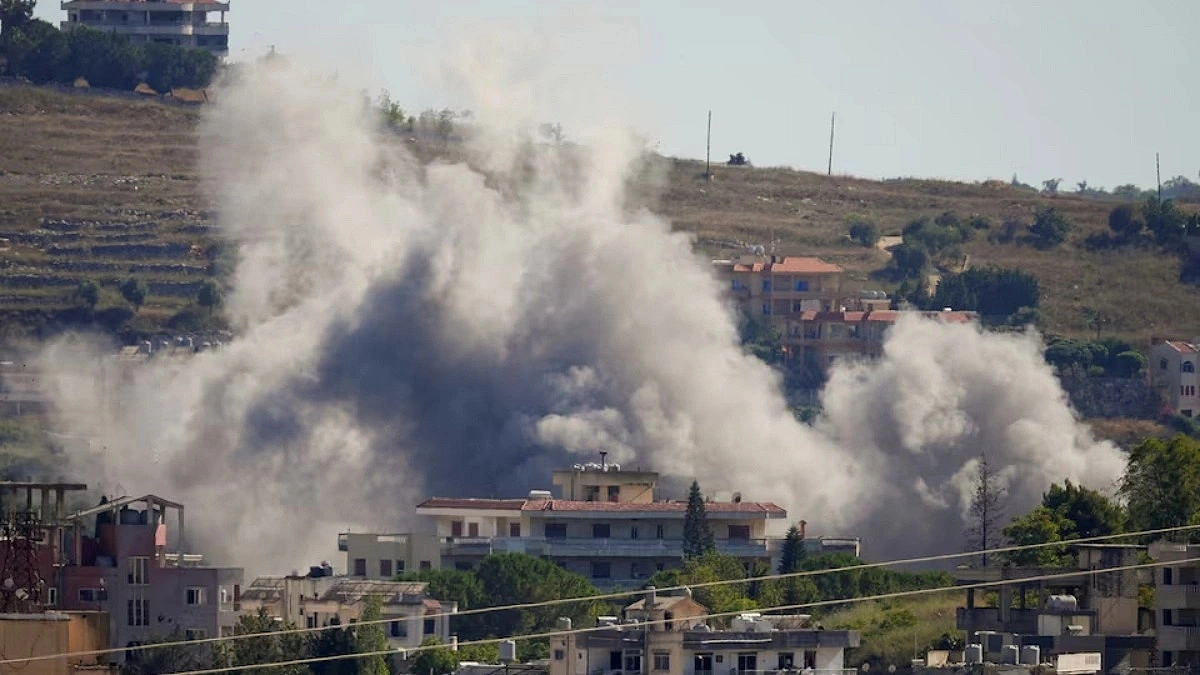
Smoke rises over southern Lebanon after Israeli strikes. Photo: Reuters
Everything was set. Announcements had been made. The names of the representatives from both countries were on everyone's lips. Luxury resorts perched on Switzerland's picturesque mountain peaks were decked out with royal hospitality, waiting in anticipation. At the airports, the two nations' aircraft sat with wings spread, ready to take off. The weather department reported favourable winds. The merchants of peace were about to step forward, armed with the spicy flavours of diplomacy. Then, suddenly, everything turned upside down. In an instant, the entire arrangement fell apart. Friday's talks were cancelled. Pakistan rushed out a brief statement announcing the decision.
It was as if lightning had struck the Middle East. The rainbow of peace was swallowed by dark clouds. The rising sun of a US-Iran ceasefire plunged into deep darkness. Like a newborn dying in its cradle, the talks—and even the underlying agreements—were left in tatters.
Was the 14-point peace deal about to collapse? For a moment, that very fear left the world gasping. Smelling disaster, the frantic newsrooms scrambled into action.
A frantic search for the truth began. Why did Tehran take four steps back after just two steps forward?
By Thursday, the backstory emerged. The US daily Axios leaked Washington's suppressed embarrassment. Citing an unnamed official, the outlet reported that Iran's sudden backtracking was a protest against Israel's violation of the ceasefire and its attacks on Lebanon. In other words, it was Iran that dug in its heels at the last moment and derailed the peace talks.
The same day, a Hezbollah-affiliated TV channel also reported: "Despite the 60-day US-Iran agreement, Israel has not stopped its attacks on southern Lebanon. Unless the bloodshed in Lebanon ceases completely, no peace talks will move forward."
Yet the US had not revealed the real reason! To hide the bitter truth that it was having to beg Iran for the deal, Washington fed the market with outright lies. To save face, the White House finally lifted its veil and announced: "Vice President JD Vance's visit to Switzerland has been postponed." The reason given was "logistical issues." In other words, there was no cause for alarm—the deal remained intact; it had not broken.
Later, Vance himself issued a statement saying everything depended on when the Iranian delegation could arrive. That's when the mystery deepened; just the day before, in a press conference on Wednesday, he had said, "The talks will take place this weekend." One moment he cites Iran's arrival, the next he speaks of the weekend! Confusing statements—like losing one's wits just before ruin.
On Wednesday, the US and Iranian presidents had digitally signed a 14-point agreement to end the war that began on February 28. US President Donald Trump signed it at the Palace of Versailles in France, and later Iranian President Masoud Pezeshkian signed it in Tehran.
The plan was to formally announce the deal on Friday in the pleasant surroundings of Switzerland and begin talks on a permanent ceasefire. But the meeting was cancelled before it could even start. The entire world was stunned, and the Middle East's peace was plunged into uncertainty.
