
UK PM Burnham slashes energy bills to ease cost crisis

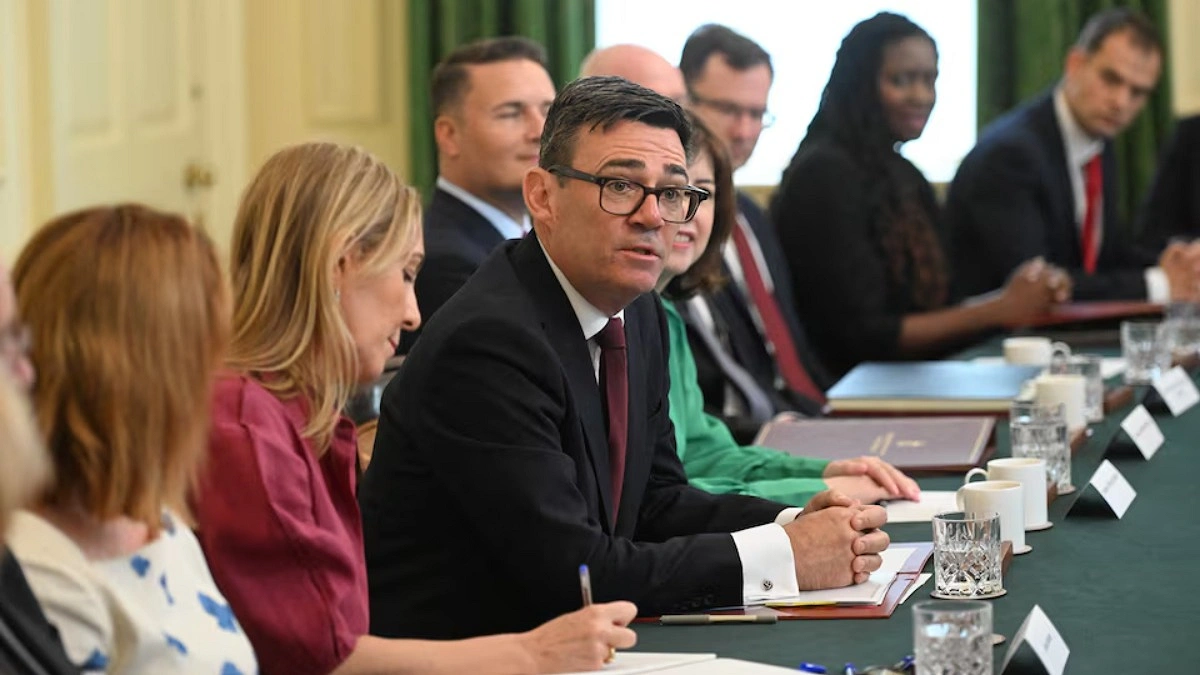
Photo: REUTERS
In his first major move as British Prime Minister, Andy Burnham announced a tax cut on residential electricity bills on Tuesday to combat the country’s cost-of-living crisis and address public frustration over government inaction.
On his second day in office, the 56-year-old former Greater Manchester mayor declared that the government will eliminate the Value-Added Tax (VAT) from domestic electricity bills beginning 1 October.
The policy will reduce the average annual household bill of around £1,862 ($2,490) by about £45. To finance this initiative, Burnham redirected savings from the cancellation of a £1.8 billion digital ID program that he had announced on Sunday.
In a formal statement, Burnham said, “We are taking immediate action to cut taxes on energy bills, put more money in people’s pockets and bring back hope”. He emphasized his desire to provide citizens with breathing space and demonstrate that he is “serious about helping them out.”
However, he acknowledged on Monday that these initial policies might not take all of the pressure off families facing inflation, noting that a comprehensive long-term plan will arrive later this year.
The announcement has drawn scrutiny from political rivals and financial markets. Darren Jones, an ally of former prime minister Keir Starmer, claimed the digital ID project lacked funding and questioned where the money for the energy tax cut would come from.
Jones said on X, “The government will have to set out how it will pay for its new policies at the budget.”
Meanwhile, bond investors are closely monitoring the fiscal plans of Burnham and his new Finance Minister, John Healey.
During the first cabinet meeting, Burnham told his ministers the new administration represents a second chance at a first impression. Healey, who previously served as Defense Secretary, stressed the importance of fiscal discipline and warned colleagues to scrutinize their department budgets.
Despite the tax cut, energy experts warn that the impact may be limited. Middle East conflicts have driven up gas prices, potentially causing the energy price cap to rise this October. Wholesale gas prices have remained high since the 2022 invasion of Ukraine by Russia. While the previous Conservative government spent billions to protect households, current prices remain 60 percent higher than pre-crisis levels.
Ruth Curtice, chief executive of the Resolution Foundation, criticized the broad nature of the cut, saying, “With bills still set to rise over £150 this October, this money would have been better spent on more targeted support.”
Healey defended the move, adding it “does indicate that we’re offering a bit of help.” Burnham intends to introduce further early policies to assist low-income residents and regain Labor Party voters who shifted toward Nigel Farage’s Reform UK.
Known as the “King of the North,” Burnham currently stands as Britain’s most popular major party leader.
Beyond energy, he aims to tackle homelessness and is considering caps on bus fares, similar to his initiatives in Manchester. Burnham concluded, “I will put the care of people at the heart of everything I do.”
Source: Reuters (adapted)
