
Trump Claims Iran 'Destroyed,' but Intelligence Says It Remains Strong

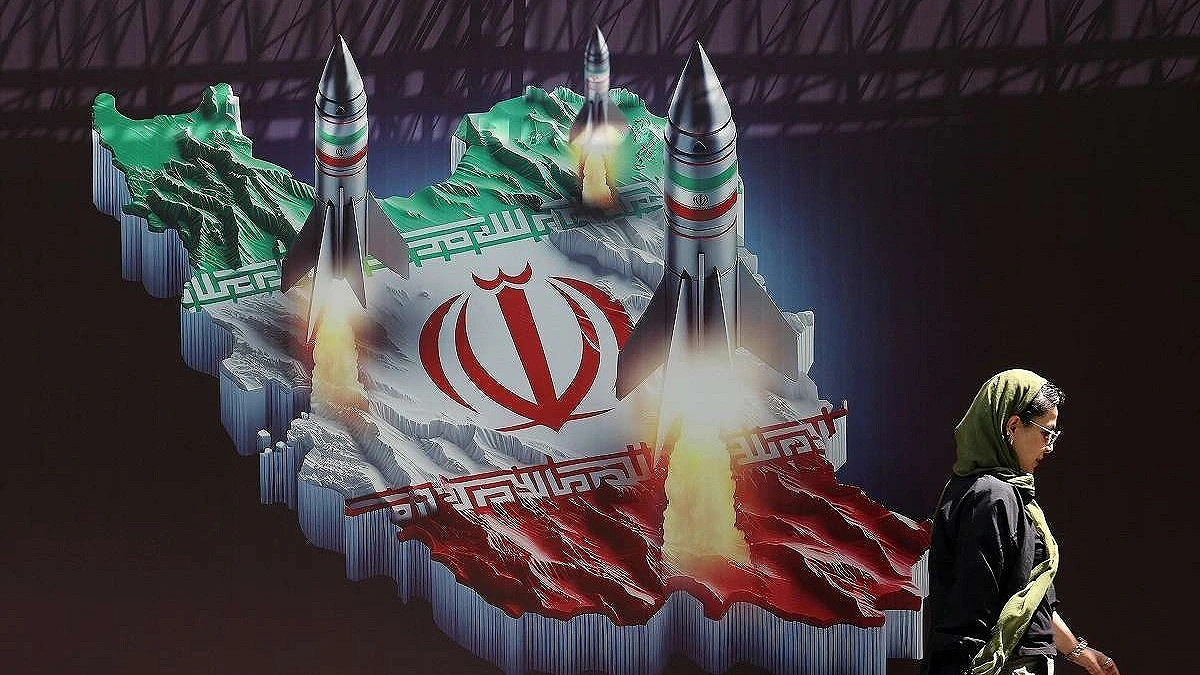
Photo: Reuters
The Trump administration has publicly portrayed Iran’s military as severely weakened. However, U.S. intelligence agencies are reportedly providing policymakers with a significantly different assessment.
A classified evaluation from earlier this month suggests that despite months of U.S. and Israeli strikes, Iran has regained access to most of its missile bases, launchers, and underground facilities.
One of the most concerning findings for senior officials is evidence that Iran has restored operational access to 30 out of 33 missile bases located near the Strait of Hormuz, a narrow waterway through which nearly one-fifth of the world’s daily oil supply passes. According to individuals familiar with the assessment, only three missile bases in the area remain fully inoperable.
The reports also state that Iran is still capable of using mobile launchers inside these facilities to relocate missiles and, in some cases, even launch them directly from these positions.
The intelligence assessment further notes that Iran retains around 70% of its mobile missile launchers across the country and approximately 70% of its pre-war missile stockpile. This includes ballistic missiles capable of striking regional targets, as well as a limited number of short-range cruise missiles designed for tactical attacks.
Based on satellite imagery and other surveillance technologies, military intelligence agencies have also determined that Iran has regained access to about 90% of its underground missile storage and launch facilities. Many of these sites are now considered partially or fully operational again.
Intelligence Findings Put Trump’s Claims Under Scrutiny as Iran’s Military Capacity Appears Intact.
The emerging intelligence assessments are challenging recent public statements by former U.S. President Donald Trump and Defense Secretary Pete Hegseth, both of whom had repeatedly described Iran’s military as “destroyed” and “combat-incapable.”
On March 9, Trump told CBS News that Iran’s “missiles are scattered” and that the country had “nothing left” in military terms. Later, Hegseth claimed that the joint U.S.–Israel campaign launched on February 28, dubbed “Operation Epic Fury,” had “destroyed Iran’s military power” and left it “incapable of war for many years.”
When asked about the intelligence assessment, White House spokesperson Olivia Wells reiterated Trump’s position, stating that Iran’s military had been “pounded into rubble.” She added that those suggesting Iran has rebuilt its capabilities are either “detached from reality” or acting as spokespeople for the Islamic Revolutionary Guard Corps (IRGC).
Pentagon spokesperson Joel Valdez also criticized reports suggesting otherwise, calling it “shameful” to portray Operation Epic Fury as anything other than a “historic success.”
However, the new intelligence findings suggest that the Trump administration may have overestimated the long-term damage caused by strikes on Iran while underestimating Tehran’s resilience and rapid recovery capabilities.
The reports also highlight a growing strategic concern in Washington. The U.S. military is said to have already expended significant stockpiles of key weapons systems such as Tomahawk cruise missiles, Patriot air defense systems, and ATACMS missiles, while Iran continues to maintain substantial operational missile capabilities near the Strait of Hormuz, a region critical to global energy security. (Source: NYT)
