
Why China’s Dam on the Brahmaputra is a Cause of Concern for India

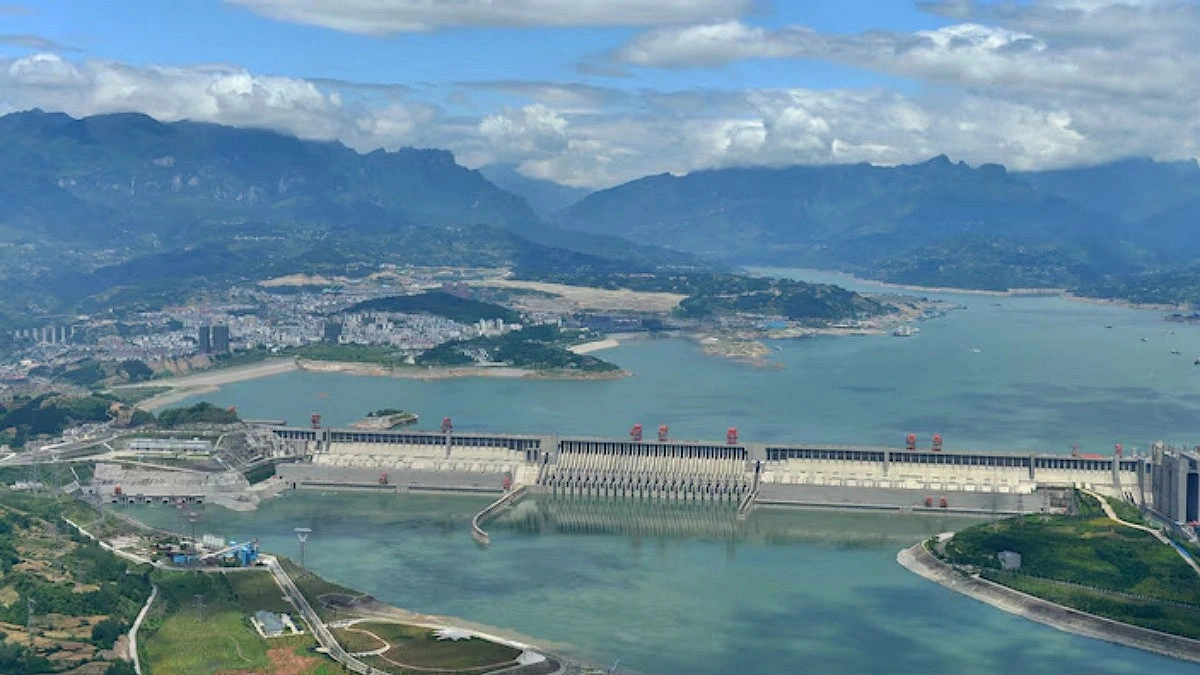
Beijing's project has sparked renewed concerns in New Delhi, India. Photo: Collected.
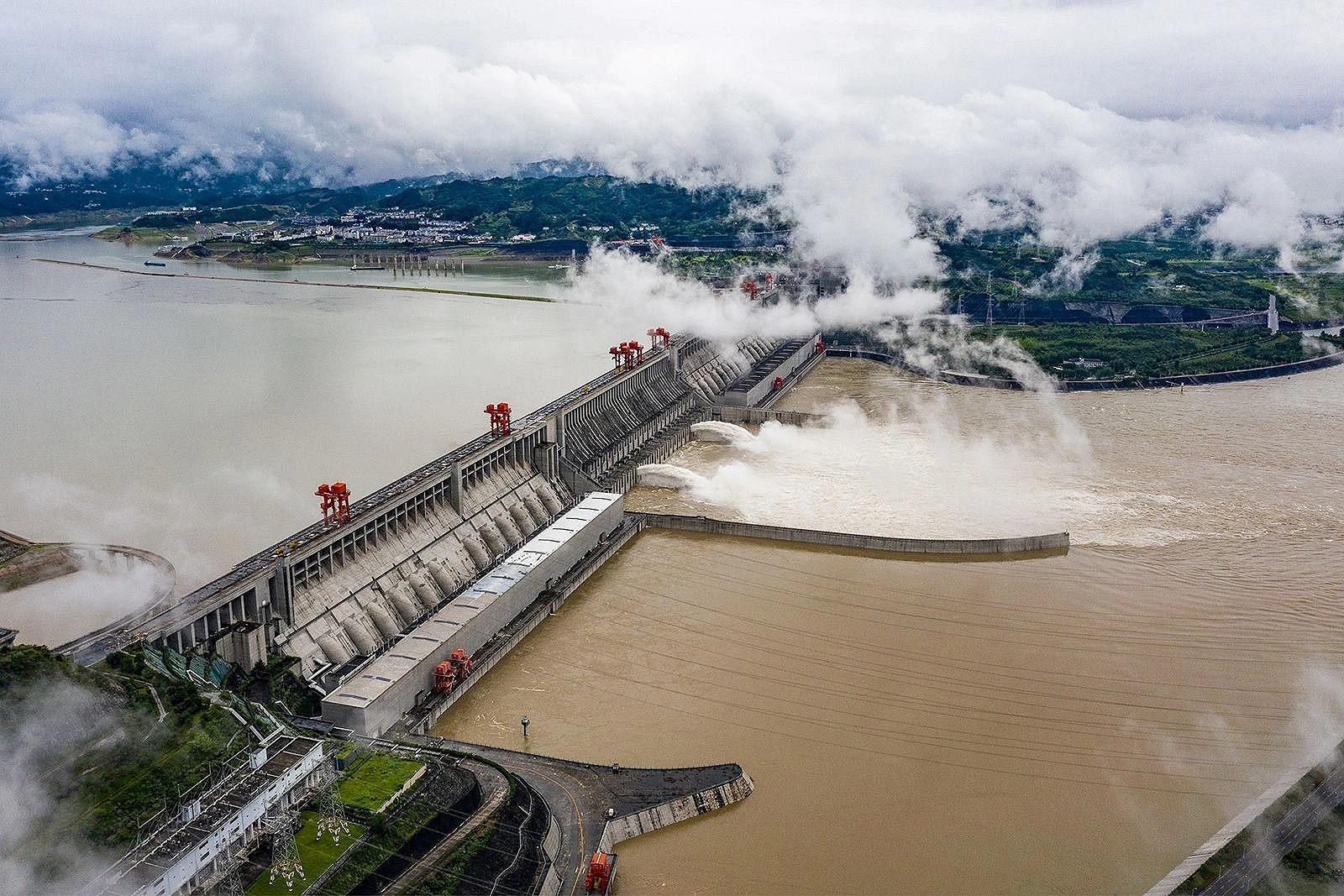
China has commenced construction on the world's largest hydroelectric dam in the vast region of the Yarlung Tsangpo River in Tibet, just 50 kilometers from the Indian border. Beijing's project has triggered fresh anxieties in New Delhi, the capital of the downstream nation, India.
According to intelligence data and satellite imagery reviewed by Indian agencies, the primary concern lies in the potential impact such a dam on a transboundary river could have on the downstream regions.
Originating in Tibet, the Yarlung Tsangpo enters India through Arunachal Pradesh, where it is known as the Siang. It then flows through Assam as the Brahmaputra.
(Collected Photo)
Citing relevant officials, the Indian media outlet NDTV reported that the Government of India is closely monitoring the project.
Experts point out that building such a dam upstream could disrupt the natural flow of water and obstruct the normal movement of silt. At the same time, it could cause severe damage to the environment and worsen floods in the downstream areas.
These are the primary reasons behind the growing concern among Indian officials.
Beyond the environmental impact on water resources, this project also carries strategic dimensions. Experts suggest that having control over a massive upstream dam gives China leverage during any bilateral disputes, as Beijing could control the flow of water to the downstream areas at will.
However, Beijing has consistently maintained that the sole objective of these hydroelectric projects is power generation, and they will not harm India or any other downstream nations.
In response to a parliamentary question on the matter last year, India's Minister of State for External Affairs, Kirti Vardhan Singh, stated that the government has taken note of reports regarding China commencing construction on the mega-dam.
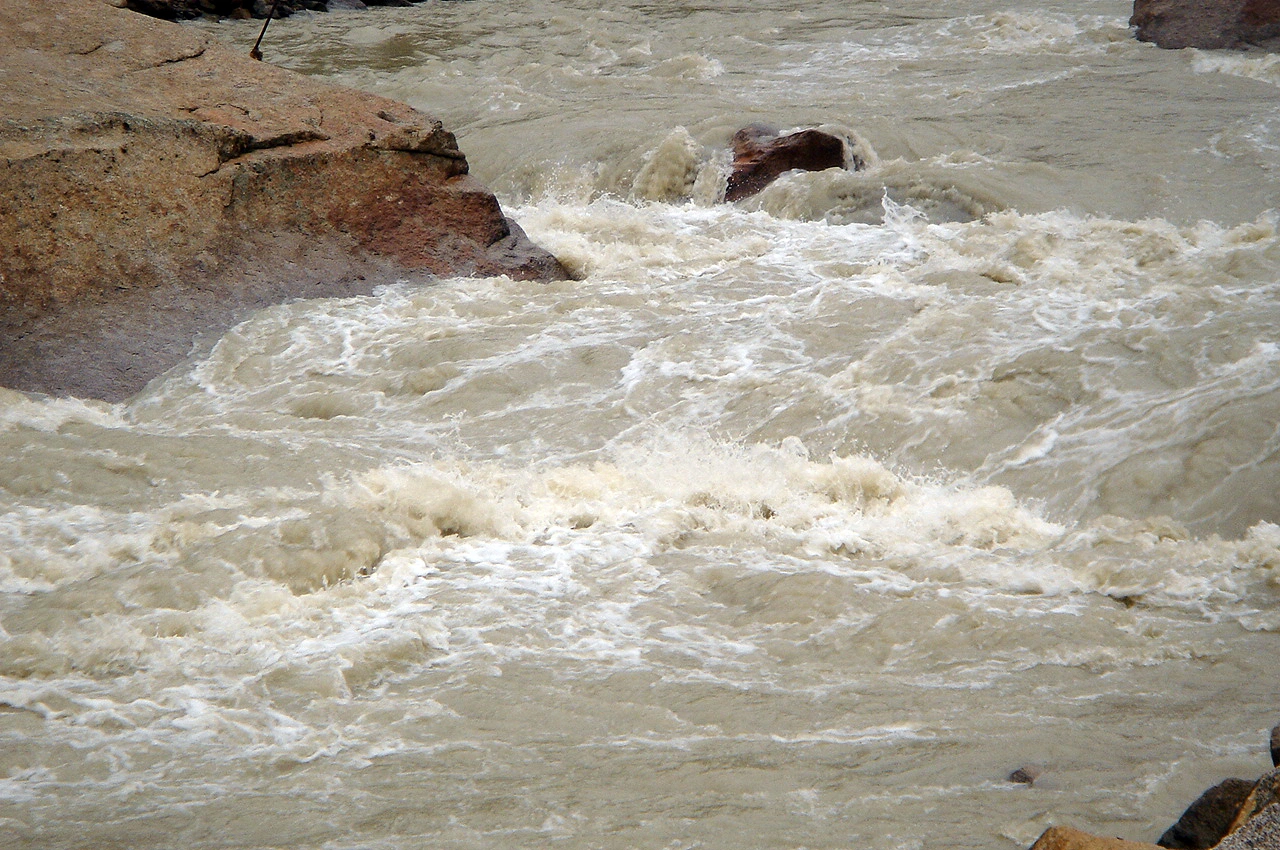
Photo courtesy: Wikipedia
Kirti Vardhan Singh noted that the government has been monitoring this proposed mega-dam for the past few decades.
Providing historical context to the Chinese project, he said, "This project was first made public in 1986. China has been making preparations for it since then."
The Minister of State added that the government has consistently conveyed India's views and concerns to the Chinese authorities, urging them to ensure that activities upstream do not adversely affect the interests of the downstream states.
Source: NDTV


