

From Flop to Superhit: What is the Secret of Imtiaz Ali's films?

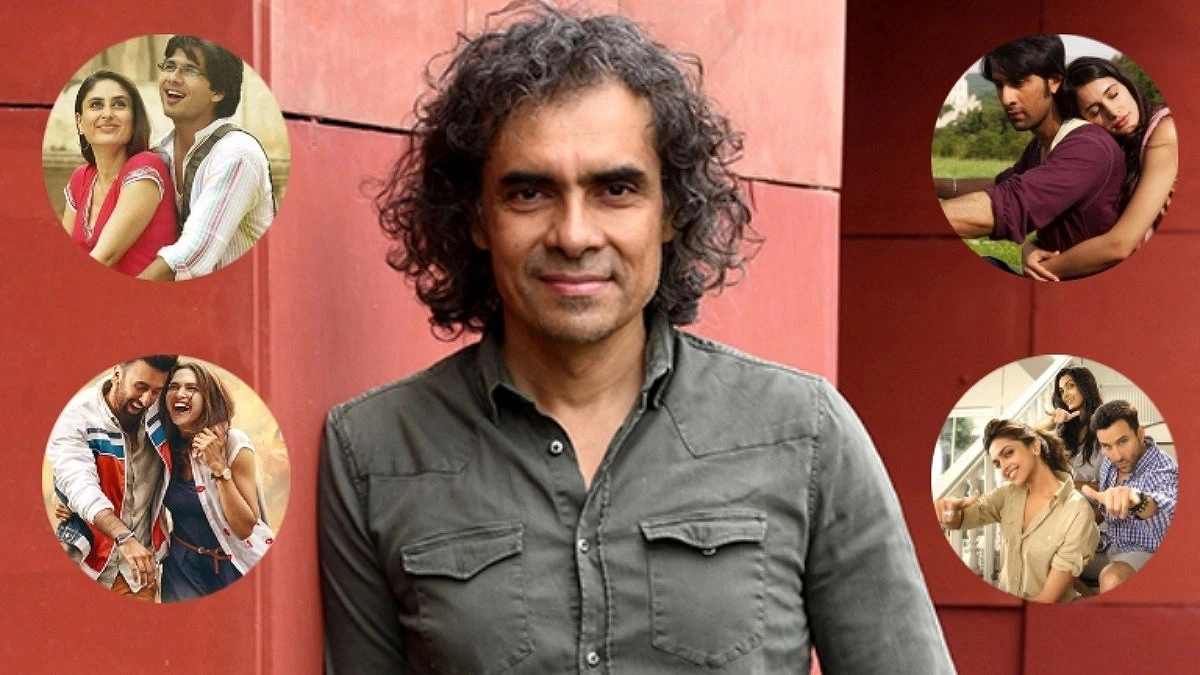
Collected Photo
Just the mention of Imtiaz Ali's name conjures up all the magical stories on screen. His films are essentially stories of some people who have lost their familiar rhythm in the pursuit of life.
His new film, 'Main Wapas Aaunga', has been released in theatres. Starring Diljit Dosanjh, Naseeruddin Shah, Sharwari, and Vedang Raina, the film didn't do very well at the box office in its first week. However, in its second week, its popularity has soared.
And through this, the old debate in Bollywood has resurfaced—why is it that audiences don't understand an Imtiaz Ali film upon its release, and why does it take years for it to become a hit?
Imtiaz Ali has a unique style. He is not like other directors who chase after the crore-rupee business of the first weekend. He makes films that stay with people for a long time.
While his new film, 'Main Wapas Aaunga', appears to be a love story set against the backdrop of the Partition, hidden within it is a powerful struggle to find one's lost identity. After watching the film, audiences are pouring out their emotions on social media. And this slow-burn success is reminiscent of Imtiaz's previous films.
When Ranbir Kapoor's 'Rockstar' was released in 2011, many prominent critics had written negative reviews. Yet today, in 2026, 'Rockstar' is considered one of the greatest cult classics in Indian cinema history.
The same thing happened with the 2015 film 'Tamasha', starring Ranbir and Deepika. Upon release, the film bombed at the box office. But today, for young people suffering from the monotony of corporate life and mental burnout, 'Tamasha' is a major source of inspiration. Thousands of people now write on Facebook and YouTube comment sections, "We understood the depth of 'Tamasha five years after its release!"
The characters in Imtiaz Ali's films are never perfect or superheroes. Jordan from Rockstar, Ved from 'Tamasha', Veera from 'Highway', or Aditya from 'Jab We Met'—they are all people who have stumbled at some point in their lives. In his films, love isn't the main point; the real point is finding your true self through the journey of love.
Imtiaz Ali once said, Jab We Met wasn't just a love story; it was the journey of two completely different people, mentally speaking, coming together as one.
The biggest magic of Imtiaz's films is that they feel different to people at different ages. For example, a 20-year-old boy watching Tamasha might see it as just a romantic film. At 30, when he watches it again, crushed by the daily grind of his job, he finds parallels to his own life's crises. And if he sees it again at 40, he might think—Alas, I lost my true self in the rat race of society!
Imtiaz Ali doesn't make films for first-week box office collections. He makes films to be watched in the lonely hours of an OTT midnight, for deep late-night conversations with friends about life, or to write emotional captions for Instagram.
Imtiaz Ali's films quietly occupy a corner of your mind and, at just the right moment, they make you cry or laugh, eventually becoming a cult classic.

