

Today is World Refugee Day
Rohingya Top the List of AIDS Patients in Cox’s Bazar

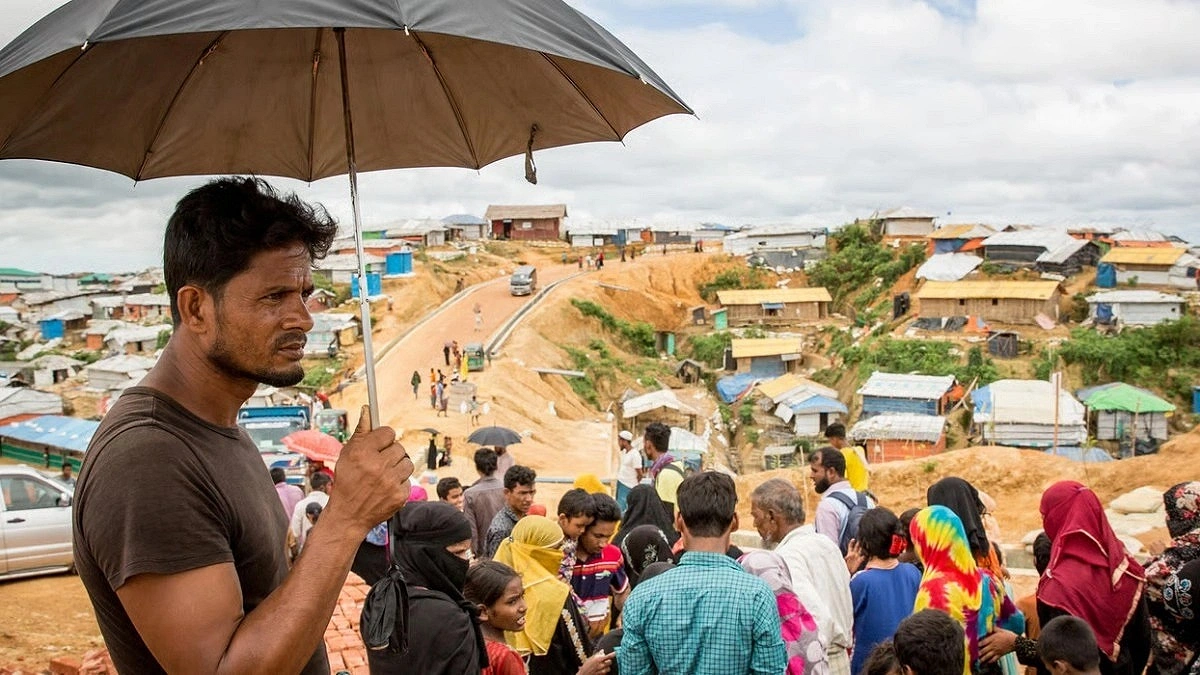
Collected Photo
Cox’s Bazar district is facing a growing public health challenge alongside its ongoing refugee-related pressures, as new data indicates a significant concentration of HIV cases in the area, with the vast majority linked to the Rohingya population.
According to health officials, out of an estimated 17,500 people identified with HIV/AIDS nationwide, around 2,500 cases have been recorded in Cox’s Bazar alone. Of these, only about 170 are from the local population, while the remaining cases are Rohingya refugees, accounting for roughly 93 percent of infections in the district.
Officials say Cox’s Bazar now hosts the highest number of HIV-positive individuals in the country when refugee populations are included. Around 1.5 million Rohingya refugees are currently living in 30 camps across Ukhiya and Teknaf.
Health experts and local authorities cite a combination of factors behind the spread, including lack of health education, limited awareness, multiple marriages, and unsafe sexual practices. They also note that infection can spread rapidly within close-knit communities when awareness is low.
An Antiretroviral Therapy (ART) center at Cox’s Bazar Sadar Hospital has been providing treatment and support services for HIV-positive patients. Health data from the center shows that around 2,500 cases have been identified since before the Rohingya influx, with a sharp rise after 2017.
Cox’s Bazar Civil Surgeon Mohammed Saber said Rohingya refugees have significantly higher infection rates compared to the local population. He added that the health department is working on treatment as well as awareness-building programs alongside ART services.
In 2025 alone, 217 HIV-positive cases were detected, all among Rohingya refugees. In 2024, the number stood at 215 cases, highlighting a continued upward trend that officials and experts describe as concerning.
Public health researcher Professor Dr. AQM Serajul Islam said the lack of health education and awareness in the refugee community is a major driver of transmission. He warned that undiagnosed positive individuals may unknowingly contribute to further spread, and that mother-to-child transmission is also a serious concern.
Health officials confirmed that several children have been born HIV-positive through vertical transmission from infected mothers. Dr. Mesbah, a physician at the Cox’s Bazar ART center, said some pediatric cases have been recorded.
He noted that the Prevention of Mother-to-Child Transmission (PMTCT) program is in place to reduce such risks, emphasizing that pregnant women living with HIV require careful medical supervision to prevent transmission to newborns.

