
Why Was Khamenei Important in Iraq as Well?

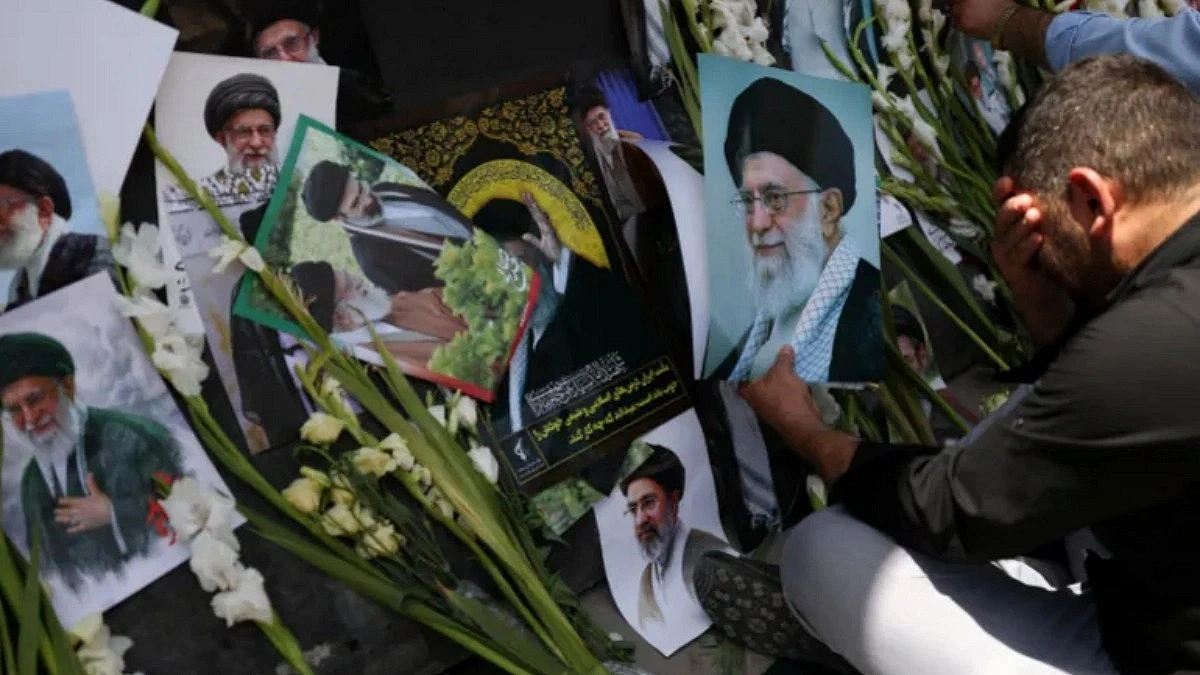
Collected Photo
Iran’s late Supreme Leader, Ayatollah Ali Khamenei, was not only a prominent figure in Iran but also an influential political and religious personality in Iraq, particularly among Iraq’s Shia community, according to Paul Musgrave, an associate professor at Georgetown University in Qatar.
In an interview with Al Jazeera, Musgrave said Iraq’s Shia Muslims form the majority of the population and that Khamenei maintained long-standing religious, political, and ideological ties with the community. As a result, many Iraqi Shias viewed him not only as Iran’s leader but also as an influential religious and political figure.
Musgrave noted that Iraq has gone through a complex political process in recent months to select a new prime minister. During that period, both the United States and Iran sought to preserve their influence in the country. Washington aimed to shape the government formation process, while Tehran worked to maintain its position through Shia political parties and allied militias.
Against that backdrop, Musgrave said, holding Khamenei’s funeral in Iraq carried significance beyond mourning. The event also reflected the long-standing political, religious, and strategic ties between Iran and Iraq. The scale of the arrangements highlighted the close links and mutual influence between the two countries.
Najaf, one of the most important religious centers for Shia Muslims, holds particular significance in this context. The city, known as a major center of Shia religious learning and leadership, developed around the shrine of Imam Hussein. According to Musgrave, organizing funeral and mourning ceremonies for Khamenei in Najaf conveyed not only religious sentiment but also a clear political message.
He said Iran sought to demonstrate that its influence extends beyond its own borders through Shia communities, religious networks, and allied groups across the region. The funeral arrangements in Iraq formed part of that broader strategic message.
Musgrave argued that the respect shown to Khamenei by Iraq’s Shia community and the extensive ceremonies held in his honor illustrate that relations between Iran and Iraq extend beyond formal state-to-state diplomacy. Religious, political, and social ties between the two countries remain deeply interconnected and continue to play an important role in regional politics.
Source: Al Jazeera (adapted)
