

US makes visa bond program permanent for 50 nations

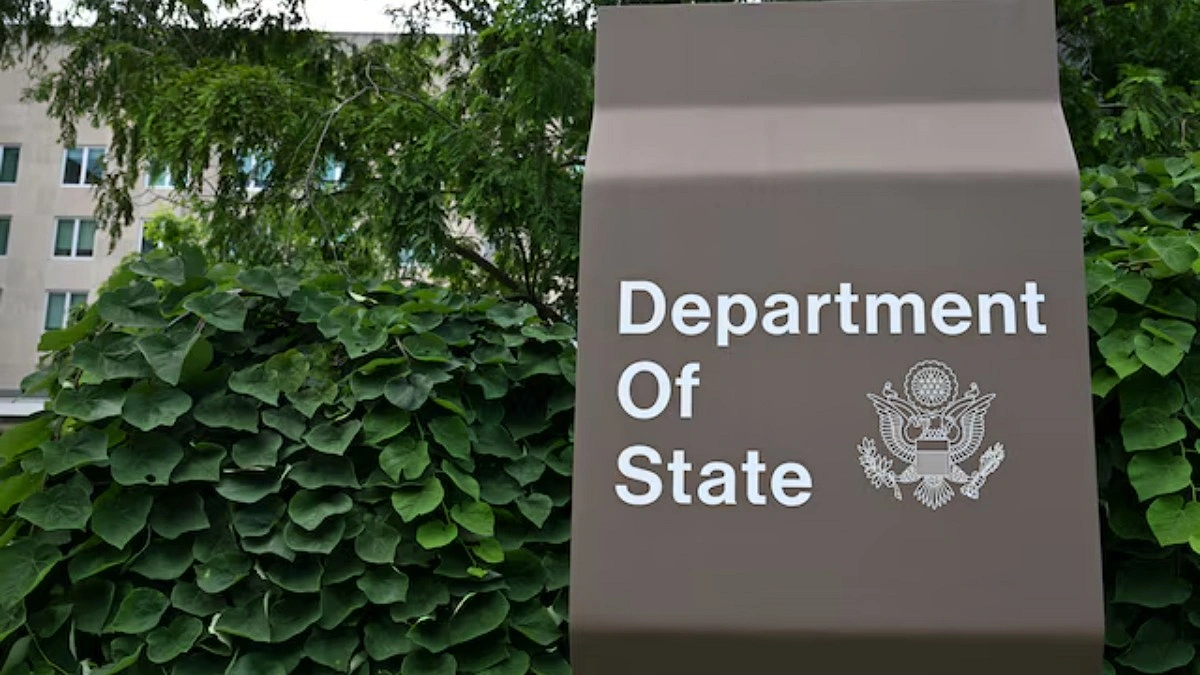
Photo: REUTERS
US State Department is transitioning a visa bond program into a permanent fixture, according to a Federal Register notice posted on Friday.
This initiative targets travelers from 50 nations, primarily across Africa, requiring them to post financial bonds of up to $20,000 to secure US visas. The regulation specifically impacts B1 and B2 visas, which travelers use for business and tourism purposes.
The official notice clarifies that “Consular officers may require covered nonimmigrant visa applicants to post a bond of up to $20,000 as a condition of visa issuance, as determined by the consular officers.”
This decision follows the 2025 visa bond pilot, a collaborative effort involving the Department of State, the Department of Homeland Security, and the Department of the Treasury. Officials analyzed data from this pilot to evaluate if such a program could effectively ensure that visa holders comply with their stay limits.
The pilot program allowed for bonds in increments of $5,000, $10,000, or $15,000, but the permanent rule removes the lowest $5,000 option while raising the ceiling to $20,000.
This final rule will take effect on 3 August, coinciding with its publication in the Federal Register. Among the 50 countries identified in the program, 30 are located in Africa.
While US officials maintain that the policy targets a reduction in visa overstays, immigration advocates contend that it will simply discourage legitimate visitors from coming to the United States.
Rights activists argue that President Donald Trump’s aggressive approach to immigration enforcement infringes upon free speech and due process rights. They further suggest the measures create hostile environments for ethnic minorities and foster racial profiling.
On the other hand, Trump has defended these actions as essential steps for strengthening national security.
This move aligns with broader efforts by the Trump administration to restrict not only illegal immigration but also legal entry, often by introducing high fees and implementing social media vetting for various visa applicants and immigrants.
Source: Reuters (adapted)