Petrol prices hit highest level in UK due to Iran war

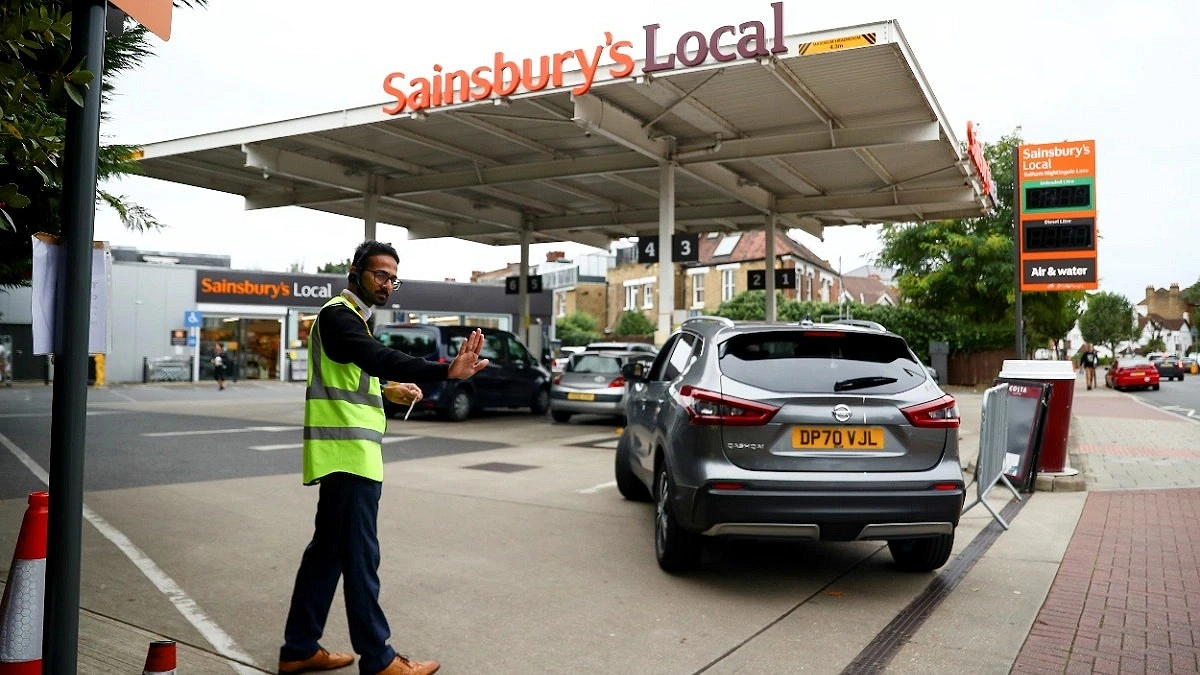
Picture: Reuters
Petrol prices in the United Kingdom have reached their highest level since the war with Iran began, according to the country’s motorists’ organization, the RAC. The average price of petrol is now nearly 160 pence per liter.
Fuel prices generally fluctuate in line with wholesale oil prices. After the Iran war began on Feb. 28, severe disruptions to oil supplies across the Middle East caused crude oil prices to rise rapidly.
In June, oil prices fell sharply after the United States and Iran agreed to a framework agreement to end the war. However, prices began rising again after the peace talks collapsed.
Crude oil is one of the main components used to produce petrol and diesel. As a result, when wholesale oil prices increase, the cost of filling up vehicles also rises.
Analysts say that for every $10 increase in the price of a barrel of oil, the average retail price of petrol rises by about 7 pence per liter.
Before the war began, Brent crude, the international benchmark, was trading at around $70 a barrel. After the conflict started, it climbed to more than $120 a barrel. Following the framework agreement in early July, prices dropped back to around $70 a barrel. After the peace talks broke down, they rose above $100 a barrel again. Prices are currently around $90 a barrel.
The RAC said the average price of petrol is now 159.97 pence per liter, while diesel stands at 178.97 pence per liter. However, diesel prices remain below the record high of 191.54 pence per liter recorded on April 15.
RAC Head of Policy Simon Williams said, “Unless there is a significant fall in oil prices, diesel prices could reach 185 pence within the next few weeks.”
However, current prices remain lower than they were during the summer of 2022. After Russia launched its invasion of Ukraine, petrol prices rose to 191.5 pence per liter and diesel reached 199 pence per liter.
Changes in wholesale prices usually take about two weeks to be reflected in retail fuel prices. Fuel retailers have denied allegations that they are taking advantage of the crisis by raising prices. The government’s market regulator also said it has found no evidence that retailers have actively changed their pricing strategies to exploit the crisis.
Through the UK government’s Fuel Finder system, motorists can compare fuel prices at different gas stations. AA Head of Policy Luke Bosdet said, “We have been surprised by how quickly prices have fallen, and this system may have played a role.”
The conflict in the Middle East has dealt a major blow to global oil supplies. The Strait of Hormuz has effectively been closed, disrupting the transport of oil, liquefied natural gas, and other key commodities. Around 20 percent of the world’s oil and liquefied natural gas is normally transported through this waterway.
Even if an agreement is reached, it could take time for normal shipping traffic to resume through the Strait of Hormuz. Experts have warned that the impact of the war on the global economy could continue for several more months.
The United Kingdom depends heavily on imported oil and gas, with most of its supplies coming from the United States and Norway. Although the UK also produces some oil from the North Sea, most of it is exported to other countries for refining.
Source: BBC (Adapted)