

King Charles III Reveals Tax Bill for First Time

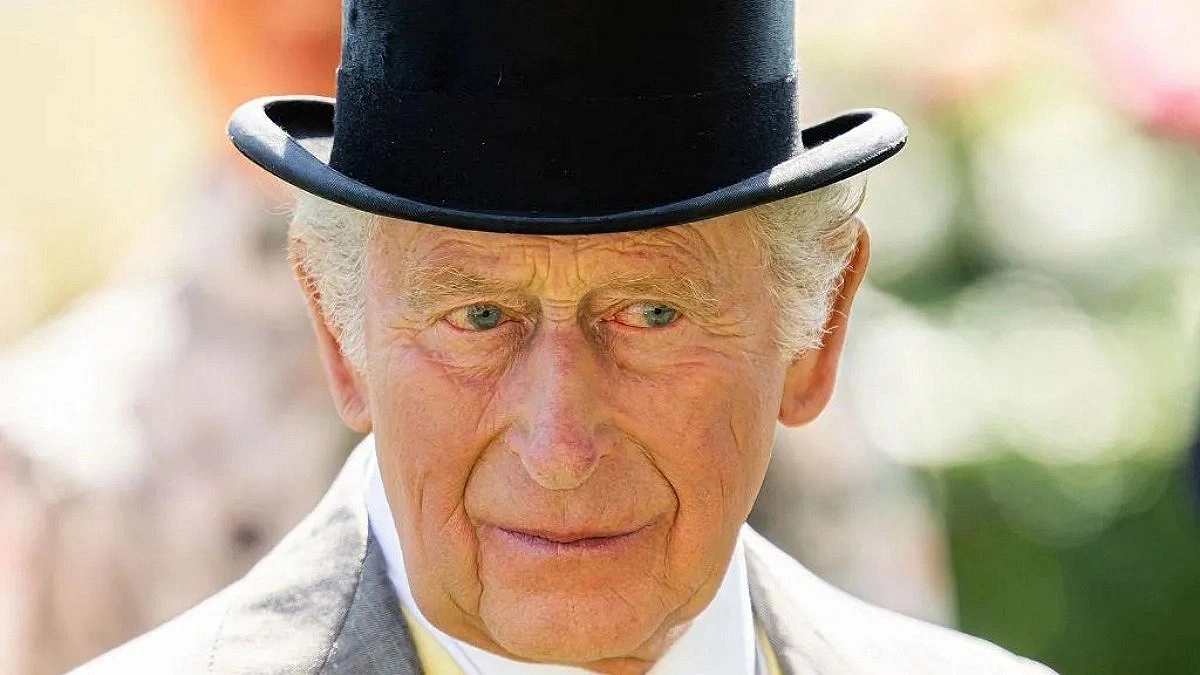
King Charles III became the first British monarch in modern history to publicly disclose his tax payments. Photo: Collected
King Charles III has publicly disclosed his personal tax payments for the first time, becoming the first British monarch in modern history to do so.
According to the royal family's annual financial report, the king paid £12.9 million in taxes during the 2024–25 fiscal year, placing him among the top 100 taxpayers in the United Kingdom.
Prince William also voluntarily released details of his tax payments as part of what the royal family described as a broader effort to improve transparency and public accountability. The Prince of Wales paid £7.76 million in taxes during the same fiscal year.
The report also confirmed that King Charles and Queen Camilla will continue living at Clarence House rather than moving to Buckingham Palace for the time being.
Meanwhile, the Sovereign Grant—the public funding that supports the monarchy’s official duties—is expected to increase to nearly £100 million in the 2027–28 fiscal year.
Financial records show that during the 2023–24 fiscal year, King Charles paid £11.7 million in taxes, while Prince William paid £8.34 million.
Buckingham Palace said the decision to publish the king’s and prince’s tax payments was entirely voluntary and aimed at giving the public a clearer understanding of the royal family's financial accountability.
Since Charles became king and William became Prince of Wales in 2022, the father and son have together paid more than £50 million in taxes to HM Revenue and Customs (HMRC).
The report, however, did not explain how the tax liabilities were calculated. It noted that King Charles paid tax at the highest rate.
The king’s primary source of income is the Duchy of Lancaster, a private estate that provides independent income to the monarch for official and personal expenses. The estate generated £25.2 million in income during the 2025–26 fiscal year. His personal investments, savings, and income from the Balmoral and Sandringham estates are also subject to taxation.
Prince William’s income comes from the Duchy of Cornwall, a historic estate spanning approximately 130,000 acres and valued at about £1 billion. The estate finances his official duties, office operations and private family expenses.
William’s private secretary, Ian Patrick, said the prince pays income tax at the highest rate on his net income after allowable expenses. He added that those expenses are independently audited to ensure all tax relief claims comply with regulations.
Patrick said Prince William places a strong emphasis on financial transparency and recognizes the public’s interest in how the estate is managed.
The royal family’s tax figures for the 2025–26 fiscal year are still being audited and will be released next year. Details of King Charles’ and Prince William’s personal investments and total private wealth were not disclosed.
Source: BBC (Adapted)

