


Canada hits US with 50% tariffs on $20b in goods

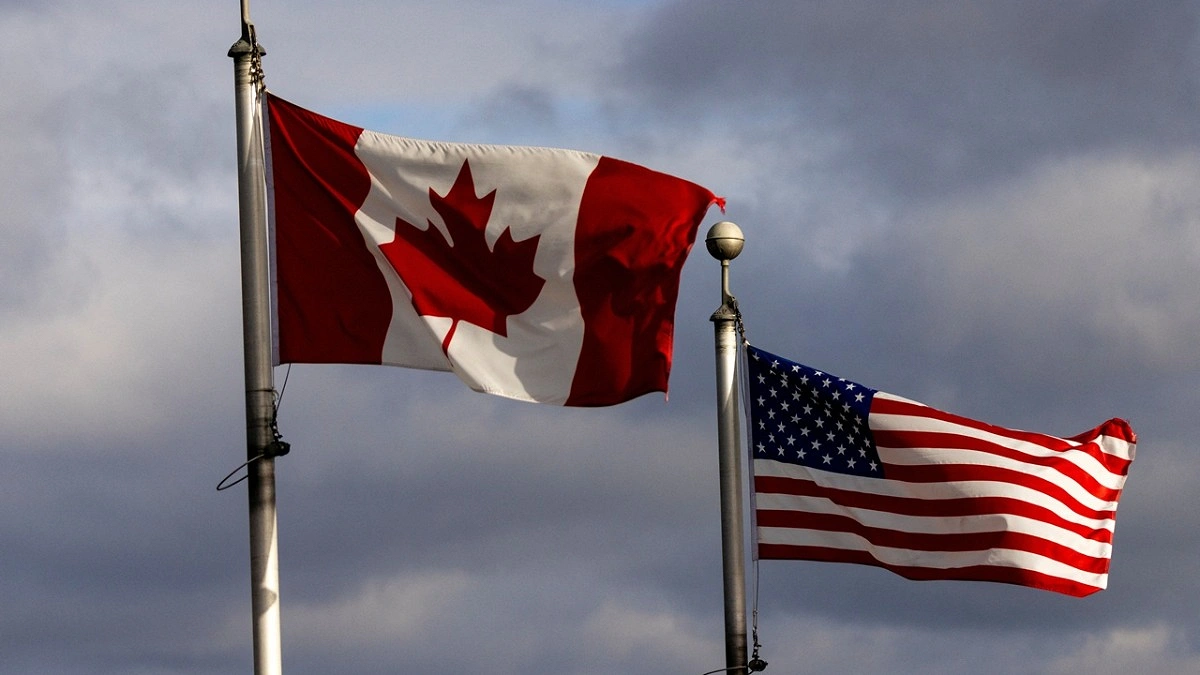
File photo: REUTERS
Canada has fired back at the United States by introducing massive counter-tariffs of up to 50 percent on nearly C$28 billion ($20 billion; £15 billion) worth of American products.
This move responds directly to the recent duties that US President Donald Trump imposed on Canadian imports over the weekend. Canadian officials announced on Tuesday that these levies, targeting roughly 900 products ranging from steel and aluminum to natural honey, furniture, clothing, and perfume, will take effect on 8 September.
The government selected these goods because Canadian consumers and businesses can source them from other countries, which will minimize self-inflicted economic pain.
This sharp escalation follows the total collapse of bilateral trade negotiations late last week, during which both nations accused each other of presenting unreasonable, eleventh-hour demands.
Canadian Finance Minister François-Philippe Champagne confirmed that the retaliatory measures directly counter the 50 percent tariffs that the Trump administration slapped on Canadian goods after discussions fell apart on Friday.
Explaining the necessity of the response, Champagne declared, “Those tariffs will have real consequences for Canadian workers, businesses and communities across our nation,” before emphasizing, “Canada must respond.”
Champagne described the country’s countermeasure as “proportionate” and “strategic”. To protect the domestic economy, Canada will also inject C$7.5 billion into support programs aimed at preventing job losses and keeping vulnerable businesses afloat.
Even so, placing trade taxes on historically close allies will inevitably trigger significant pain across both sides of the border. Decades-old supply chains will face sudden cost increases, raising operating expenses for businesses of all sizes and exposing everyday consumers to potentially higher prices.
While public polls indicate that most citizens back the Canadian government in standing its ground, the Conservative opposition is demanding the release of the draft agreement’s full text to understand exactly why negotiations failed. Businesses on both sides also fear the fallout of a prolonged trade war.
Meanwhile, White House issued a statement defending its position, claiming the US had offered Canada “the most preferential market access of any country on Earth” during the recent talks. Blaming Canada for the breakdown, the White House said, “Instead of partnership, Canada chose unreasonable demands, walk-backs, and flat-out rejection.”
Trump took to Truth Social on Tuesday to double down on his criticisms, accusing Canada of “ripping off” the United States for decades and hurting American farmers with steep tariffs. He wrote, “I deal with many countries, and Canada is easily the most difficult and unreasonable,” adding, “They feel entitled, but they are not a State, and will be entitled no longer!”
He even threatened to rename Lake Ontario to Lake America, writing, “We don’t expect to doing much business with Ontario any longer.” Trump threatened to raise tariffs on Canadian automobiles to 50 percent starting 1 January.
In response, Canadian Prime Minister Mark Carney accused Trump of attempting to “destroy” core Canadian industries, specifically targeting the automobile manufacturing, steel, and aluminum sectors. While political rhetoric reached a boiling point on Monday, some officials on both sides adopted a more diplomatic tone by Tuesday in hopes of restarting talks.
Ontario Premier Doug Ford, who had called Trump a “loser” during a press conference on Monday, acknowledged the tension in a CNN interview on Tuesday, saying “things got a little heated.” Ford quickly pivoted toward reconciliation, saying, “But I want to make a deal - a good deal for the American people, a good deal for Canadians.”
This rapid deterioration also threatens the survival of the USMCA, the North American free trade agreement between Canada, the US, and Mexico. Reacting to the breakdown, Mexican President Claudia Sheinbaum rushed her Economy Secretary, Marcelo Ebrard, to Washington for emergency talks.
To execute Canada’s retaliation, the country’s tariff schedule will penalize specific American goods. A 50 percent tariff will hit steel and aluminum products that previously faced only 25 percent counter-tariff, alongside other goods like dairy products such as cheese, dishwashers, and washing machines, which will face a 25 percent duty.
Moreover, certain machinery and tools, such as forklifts and air conditioning units, will incur a 15 percent tariff.
Source: BBC (adapted)

