


Strawberry farming transforms Joypurhat indigenous women into entrepreneurs

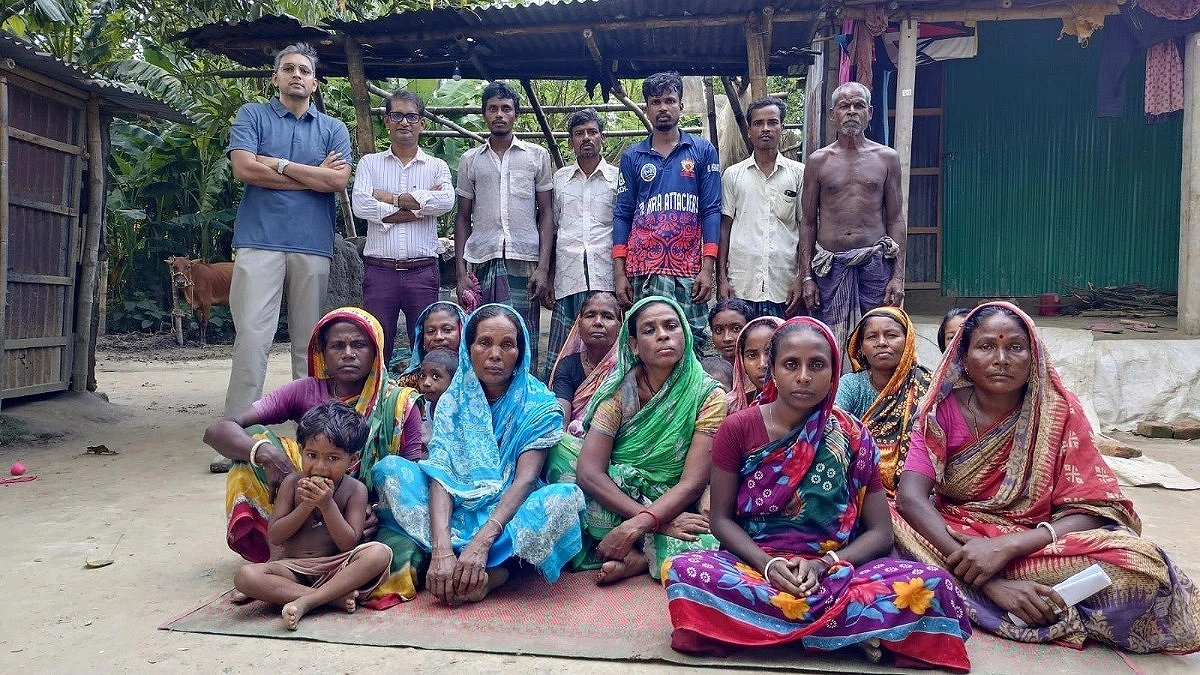
Photo: Courtesy
Strawberry cultivation is transforming indigenous women in Joypurhat from field laborers into entrepreneurs, opening doors to processing, manufacturing, and direct marketing.
The research and development organization Dahuk Bangladesh is implementing the initiative to enhance the living standards and economic capacity of the indigenous population in the northwest.
The project, titled “Empowering Indigenous Women and Enhancing Market Access Through Value-Added Strawberry-Based Development,” focuses primarily on the economic empowerment of indigenous women.
The project is supported by the Canada Fund for Local Initiatives of the High Commission of Canada, with the Peoples Union of the Marginalized Development Organization serving as the community engagement partner.
It aims to build an integrated structure for market linkages, spanning from agricultural production to processing, value addition, and entrepreneurship development. Strawberry cultivation has become commercially promising in Joypurhat.
By leveraging this potential, women from local indigenous communities, such as the Karmakar and Pahan, will be engaged in safe strawberry cultivation. They will also receive training to create various value-added products from their harvests.
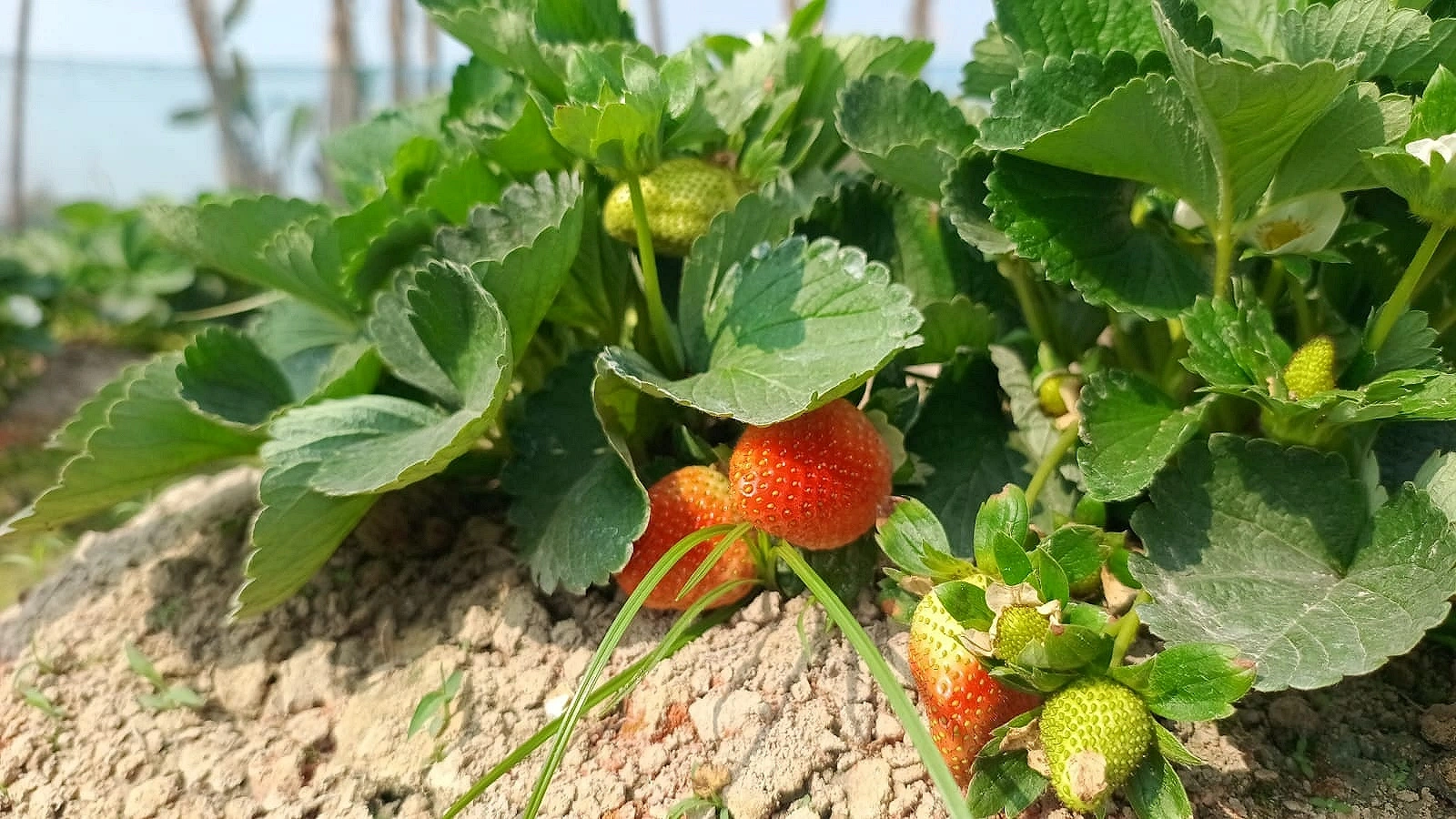
Under this project, traditional agricultural knowledge and farming practices passed down through generations will be synchronized with modern agricultural science, technology, and market demand.
This initiative creates a bridge for those who have been limited-income agricultural laborers to become producers and entrepreneurs. More than 35 indigenous groups, with a total population of around 16 lakh, reside in the plain regions of Bangladesh.
While they contribute significantly to the country’s ethnic and cultural diversity, many of these communities remain socially and economically disadvantaged. They face numerous challenges in their life and livelihoods due to deprivation, a lack of rights, and limited participation in mainstream development.
A fundamental component of the project is establishing a participatory and cooperative-based economic structure. This framework allows indigenous people and neighboring Bengali farmers to collaborate on agriculture, business, and other economic activities, thereby strengthening the local economy through mutual cooperation.
As part of this effort, a regional connectivity center is being developed. Funded and initiated by Dahuk, this community space will serve as a platform for social, cultural, and educational communication for the indigenous community while connecting them to national and international spheres.
An e-commerce platform, led and operated by the indigenous community, is also in development. This will allow local farmers and indigenous people in Joypurhat to directly market their agricultural products and services, fostering direct contact between producers and consumers.
Project Director and Researcher Magfi Reza Siddique said, “The indigenous community is an inseparable part of Bangladesh’s society and ethnicity. Inclusive development is not possible without their economic and social participation.
“If the agricultural knowledge and safe farming practices they have acquired over generations can be linked with value-added agricultural products using modern technology, a significant change can be brought to the local economy.”
He added, “Women’s empowerment is not just about bringing women forward separately. Its goal is to increase the economic and social capacity of the entire population, regardless of gender. This project will serve as a followable model for the indigenous people of the northwestern region.”

