


Government purchases LNG at higher prices

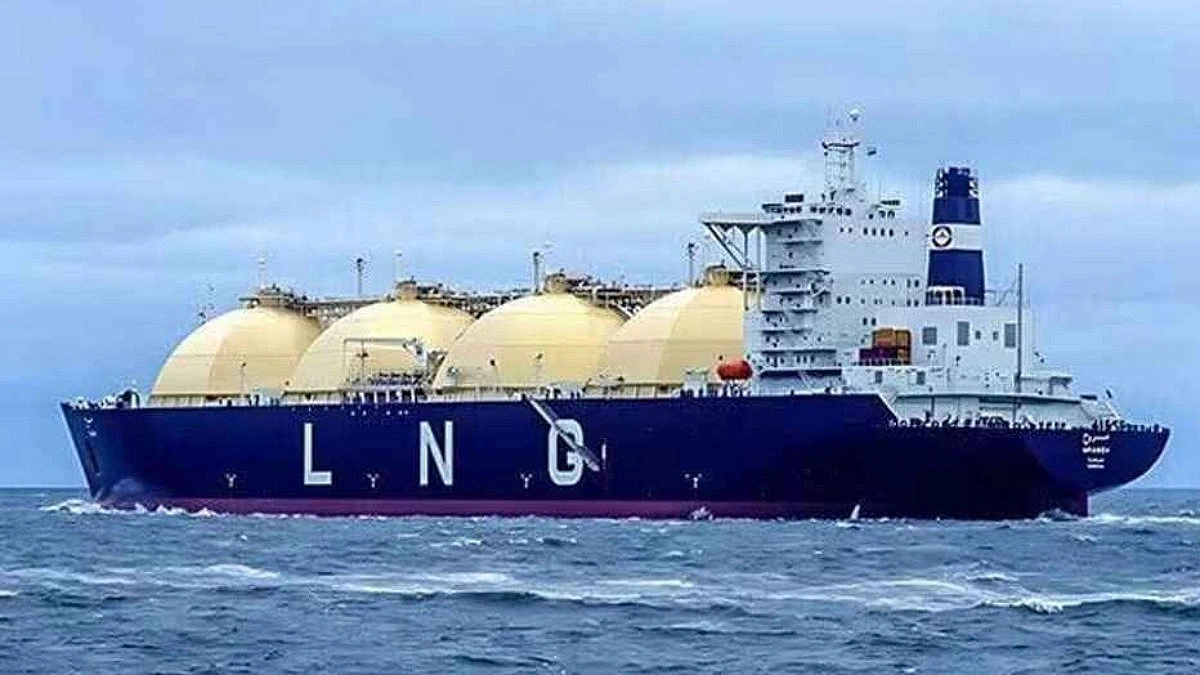
Representational image.
Due to disruptions in LNG supply, the gas crisis in the country has intensified further. Many factories have shut down. In this situation, the government is buying LNG at higher prices to rapidly increase gas supply.
Alongside the gas crisis, rising temperatures increased load-shedding on Wednesday compared to the previous two days. The highest load-shedding that day was 1,836 MW. The previous two days saw load-shedding within 500 MW due to slightly increased gas supply. On August 10, load-shedding had reached a record 3,757 MW, which later gradually decreased.
Accidents at the LNG terminal, supply disruptions, and allegations of importing low-quality LNG—combined, gas supply has collapsed. Officials at the Energy and Mineral Resources Division are hopeful that the crisis, ongoing for about a month, may ease somewhat next week. However, if LNG supply remains disrupted, there is a risk of the crisis prolonging further.
According to Petrobangla, both LNG terminals, which have a daily supply capacity of 110 crore cubic feet, are currently ready to supply gas. However, due to a lack of LNG cargo, the Excelerate Energy terminal has completely shut down. Currently, gas is being supplied only from the Summit terminal.
Due to the Excelerate terminal shutdown, gas supply from LNG dropped to 56 crore cubic feet yesterday. Around 163 crore cubic feet is being supplied from domestic wells. Overall, gas supply fell to 219 crore cubic feet, a decrease of 4 crore cubic feet compared to Tuesday. However, according to government estimates, the daily demand for gas in the country is at least 380 crore cubic feet. If normal LNG supply resumes, roughly 265 crore cubic feet of gas could be supplied, which would significantly reduce the crisis, according to stakeholders.
Officials say that until new LNG arrives, there is currently no scope to increase gas supply. A cargo is scheduled for the Excelerate Energy terminal on August 23. If it arrives, the situation may improve. However, it is not yet confirmed whether the cargo will be received on time. Earlier, a cargo did not arrive on time on August 17, worsening the crisis.
Additionally, two more cargoes are expected to arrive on August 26 and 29. Furthermore, confirmations have been received for two cargoes on September 1 and 4.
Buying LNG at higher prices: Under the influence of the Middle East war, LNG imports under long-term contracts have been disrupted. As a result, the government has to spend nearly double to buy LNG from the open market. Currently, this cost has further increased while purchasing LNG on an emergency basis.
Amid the ongoing energy crisis, as imported gas supplies and reserves dwindle, the government is importing an additional 14 cargoes of liquefied natural gas (LNG) without tenders. Yesterday, the government's Cabinet Committee on Economic Affairs approved the proposal to purchase these cargoes through a direct procurement process.
At a price of $23.93 per MMBtu, one LNG cargo costs approximately Tk 1,080 crore. At the current spot price of $21.09, the same cargo would have cost about Tk 951 crore. In other words, by purchasing cargoes on an emergency basis, the government is paying roughly Tk 128 crore extra per cargo.
Allegations of low-quality LNG imports: Summit Group has raised allegations against Rupantarita Prakritik Gas Company Limited (RPGCL), the sole state-owned LNG importer, of importing low-quality LNG. In a letter submitted to Petrobangla last Monday, Summit requested the import of standard-quality LNG.
Sources claim that low-quality LNG arriving at Summit's terminal is causing problems in regasification. Repeated filtering is disrupting gas supply. As a result, from Monday to Tuesday afternoon, over a 24-hour period, production had to be reduced two to three times due to filtering issues.
At 4:00 PM on Tuesday, the two terminals supplied 44.50 crore cubic feet of gas. Of this, Summit's terminal delivered approximately 35 crore cubic feet, even though the terminal has a daily supply capacity of roughly 55 crore cubic feet.

