

Bangladesh Bank Mandates Bangla QR to Boost Cashless Economy

Collected Photo
Bangladesh Bank (BB) said that all commercial establishments and merchant points remove various individual QR codes and exclusively display the “Bangla QR” on 1 July.
This strategic move aims to popularize digital transactions and transition the national economy toward a “cashless” model.
Previously, a single storefront often displayed four or five different QR codes - separate ones for bKash, Nagad, Rocket, or specific banks. This fragmented system meant customers could only pay if they had the specific app corresponding to the merchant’s code.
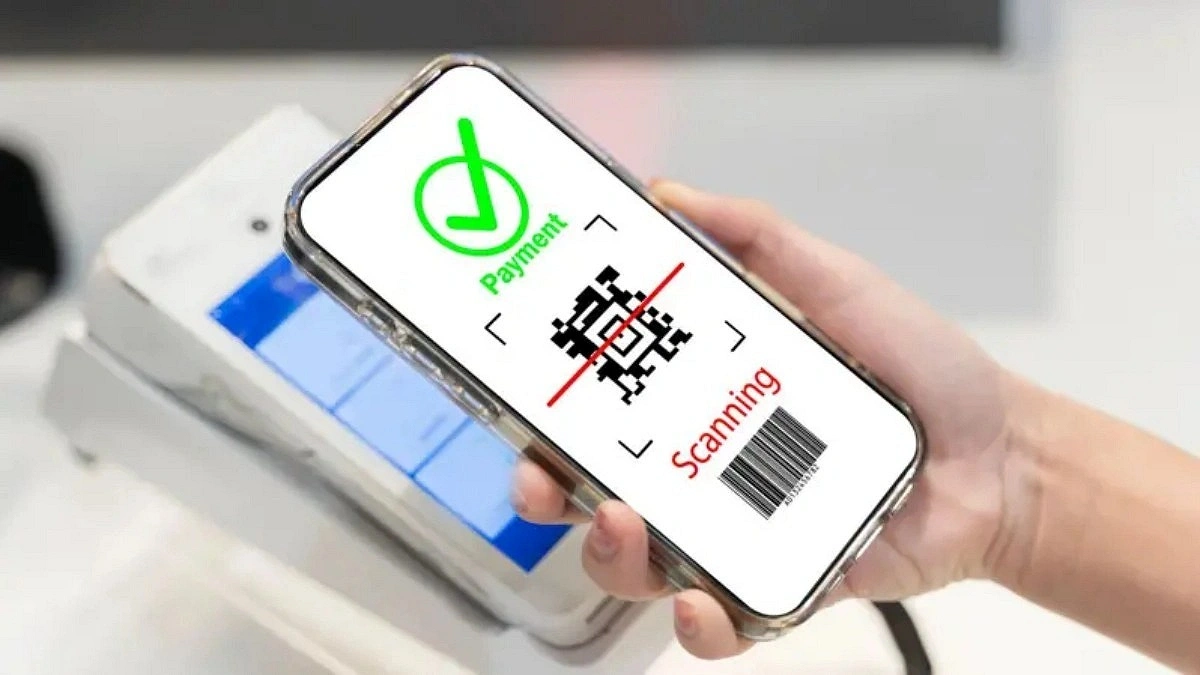
Under the new mandate, a merchant only needs to display one “Bangla QR” stand. Customers can now use any participating bank or mobile financial service (MFS) app to scan that single code and complete a payment.
Simplifying the Payment Ecosystem
BB intends for this technology to facilitate seamless payments across different financial platforms without requiring customers to download new applications. Users can simply utilize their preferred existing banking or MFS app.
Beyond convenience, authorities believed this initiative will eliminate the daily hassles of managing small change and the risks associated with counterfeit currency.
The government set an ambitious target to make 75 percent of the country’s total transactions digital or cashless by 2027. Looking ahead, there are plans to bring all government payment services under this QR-based framework.
Officials are even exploring technologies that would allow QR-based transactions to function without an active internet connection.
By standardizing the system, BB also aimed to reduce costs for businesses. Merchants will no longer need expensive Point of Sale (POS) machines or multiple QR stands to accommodate different payment providers.
The Debate Over Transaction Fees
Despite the potential benefits, the implementation has sparked significant debate regarding transaction costs, specifically the Merchant Discount Rate (MDR). While BB emphasized that these fees are a matter between the bank and the merchant - and should not be charged to the customer - many small business owners remain concerned.
In the initial planning phases for 2024, authorities suggested capping the MDR for small merchants at 0.50 percent for bank cards and 0.80 percent for MFS transactions.
However, the 1 July circular from BB removed these limits and instead established a minimum rate of one percent. For example, for every Tk 1,000 transaction, a merchant must now pay at least Tk 10 in fees to the bank.
Economists and industry experts worry that these fees might hinder the adoption of digital payments.
Center for Policy Dialogue (CPD) Research Director Khondaker Golam Moazzem said, “MDR could be 0.5 percent instead of 1 percent. We should do whatever is necessary to attract merchants. Integration is actually more important than revenue collection.”
There is also a growing concern that merchants might pass these costs onto consumers by raising product prices to offset the transaction fees.
Overcoming Implementation Challenges
The transition to a digital-first economy faces several hurdles on the ground. Experts point to the necessity of reliable internet connections, the burden of fees, and the need for robust cybersecurity. Some merchants fear that documented transaction data could eventually lead to increased tax burdens.
Helal Uddin, a leader of the Bangladesh Shop Owners Association said, “Initially, there might be a problem understanding it. I took the money through the QR code, but how will I cash it out? This is a problem, especially at the very small merchant level.”
Despite these fears, proponents argued that the long-term benefits outweigh the initial friction. Shah Md Ahsan Habib, a professor at the Bangladesh Institute of Bank Management (BIBM), believed that as people become accustomed to the ease of digital transactions, it will become the preferred method.
He compared the situation to the early days of credit cards, noting, “At one time, it seemed the cost of credit cards was so high, would anyone use them? Many merchants did not want to take payments via credit card. But now you see that they are giving discounts for paying with credit cards.”
BB also pointed out that Bangla QR transactions will help small merchants build a “digital financial identity”. This documented financial history could eventually encourage banks to provide collateral-free loans to small businesses.
Habib emphasized that for small vendors, the security benefits are paramount. He added, “Small merchants will actually benefit more. You won't have to worry about where to keep your money or if a mugger will catch you on your way home from the shop.”
Source: BBC Bangla (adapted)

