
Power demand may reach 24,000 MW by 2030

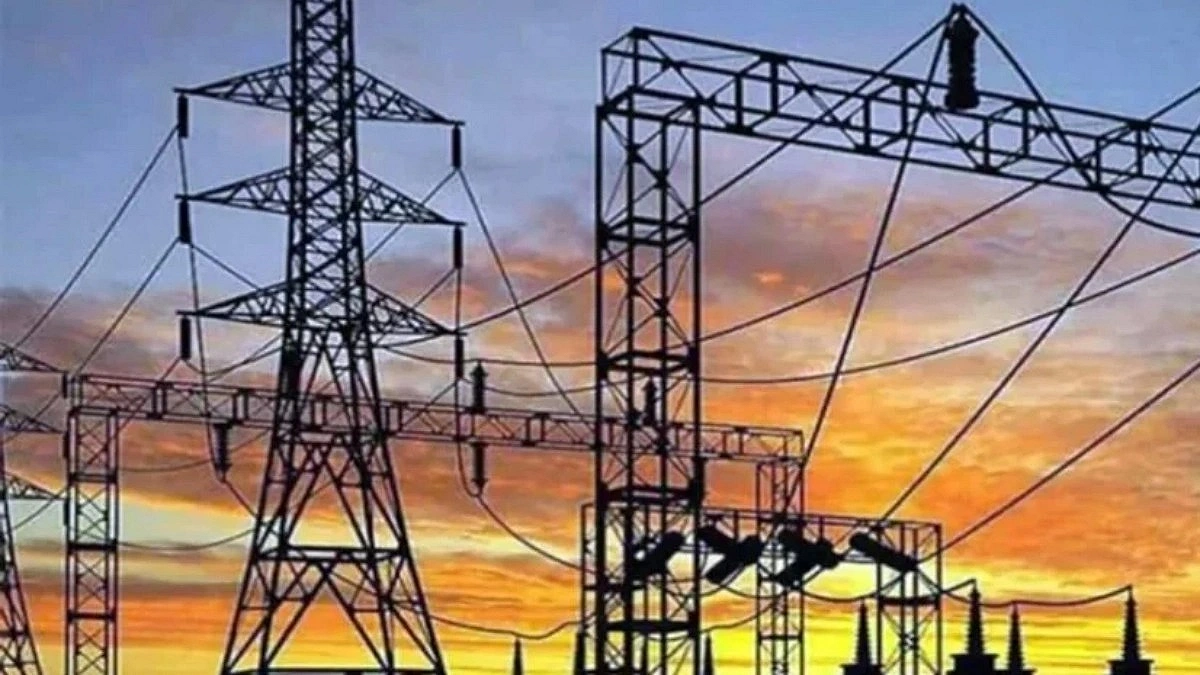
Collected Photo
The country’s peak electricity demand is projected to reach around 24,000 megawatts over the next five years. Although demand is expected to increase each year, the growth rate is projected to keep peak demand within 24,000 MW by 2030.
Under international standards, an additional 20 to 25 percent generation capacity is maintained above actual demand to ensure uninterrupted power supply during emergencies and maintenance. This is known as the spinning reserve.
Even by that calculation, the country’s total electricity requirement in 2030 is not expected to exceed 30,000 MW. However, the government’s plan is to raise power generation capacity to 35,000 MW.
In reality, once the projects currently under construction are completed and the Rooppur Nuclear Power Plant begins commercial generation, total installed capacity could reach nearly 37,000 MW. Some old and obsolete power plants are expected to be retired by then. Even so, the country will still have significant excess capacity compared with its actual needs.
At present, 31 power plants are under construction across the country and are scheduled to be completed by 2030. Most of these plants are fossil fuel-based, with a combined generation capacity of about 5,500 MW.
In addition, the tender process is underway for another 14 power plants with a combined capacity of 565 MW. Meanwhile, the 2,400 MW Rooppur Nuclear Power Plant is expected to begin power generation in 2027.
The government has also announced plans to generate 10,000 MW of electricity from renewable energy sources, alongside a review of the contracts of various power plants.
Shafiqul Alam, Bangladesh lead energy analyst at the Institute for Energy Economics and Financial Analysis (IEEFA), said that based on current trends, a generation capacity of 35,000 MW in 2030 would result in a reserve margin well above international standards. “This will increase generation costs and may require even higher capacity payments.”
“Having excess power plants alone is not enough. There must also be a reliable supply of fuel to operate them. In the past, despite higher LNG prices, it was not possible to generate electricity according to demand because of coal shortages. Therefore, plans must be made in advance to ensure fuel supply before another crisis emerges,” Shafiqul Alam advised.
