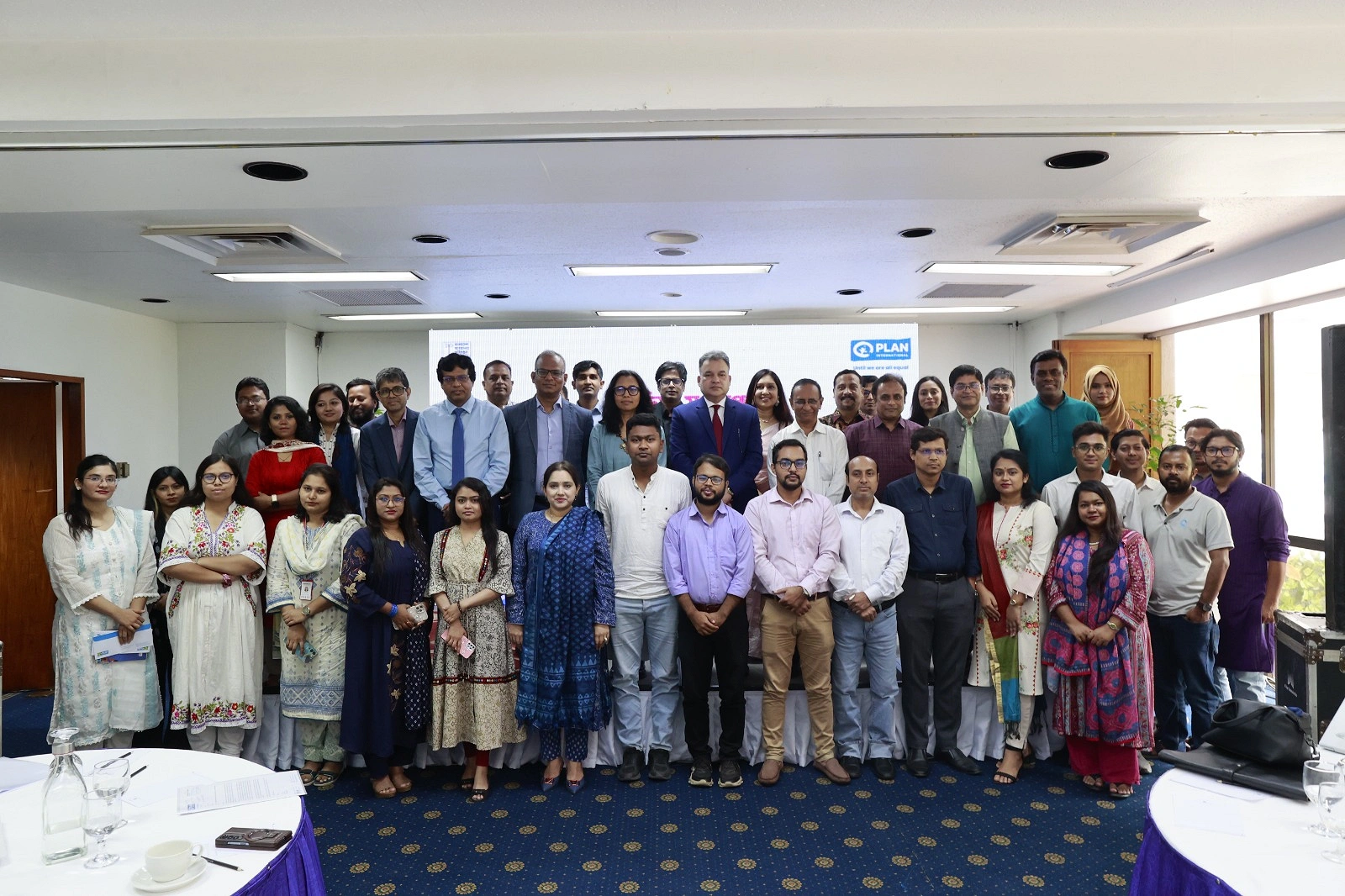
Media Dialogue Highlights Journalists’ Role in Disaster Awareness

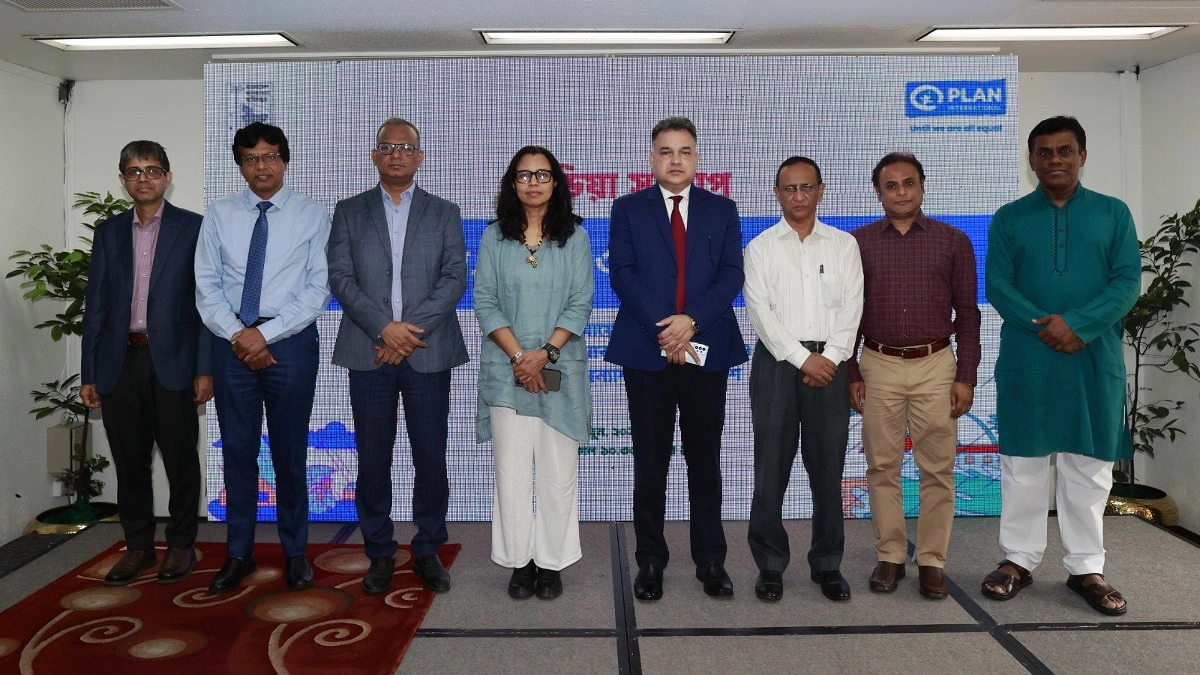
Speakers of the Dialogue
A media dialogue in Dhaka highlighted the role of journalists in strengthening disaster awareness and ensuring timely early warning messages to reduce loss of life and property in Bangladesh, one of the world’s most disaster-prone countries.
The event, titled ‘Disaster Awareness,’ was held Thursday at the Pan Pacific Sonargaon Hotel in the capital. It was jointly organized by the Bangladesh Meteorological Department and Plan International Bangladesh. Around 50 journalists from various media outlets took part in the discussion.
Speakers at the dialogue emphasized that Bangladesh faces recurring natural disasters, including floods, cyclones, storm surges, droughts, heatwaves, cold spells, excessive rainfall, river erosion, and earthquakes. They said climate change is further intensifying these risks, making timely early warning systems and effective communication more essential than ever.
The speakers highlighted the importance of early warning messages, noting that casualties and damage can be significantly reduced if warnings are properly understood and followed. Participants also stressed coordinated efforts among government agencies, NGOs, and the media to ensure forecasts and warnings reach vulnerable and remote communities in a clear and accessible manner.
Delivering the chief guest’s speech, Defense Secretary Md. Ashraf Uddin highlighted Bangladesh’s geographic vulnerability and high population density, noting that the country remains highly exposed to disasters. He said the media’s role in rapidly disseminating warnings has already contributed to a sharp decline in cyclone-related deaths compared to the 1970 Bhola cyclone, when hundreds of thousands died. He added that fatalities have now been reduced to fewer than 20 in comparable events due to improved early warning systems.
He also stressed the need for simple and clear messaging, along with public reassurance regarding safety at cyclone shelters, including the protection of personal belongings and livestock.
Director General of the Department of Disaster Management Rezwanur Rahman said Bangladesh has made significant progress and is now considered the 13th most disaster-prone country in the world. He highlighted the construction of multipurpose cyclone shelters that function as schools during normal times and include facilities for livestock, cooking, and accessibility for persons with disabilities.
He added that many people still hesitate to go to shelters due to concerns over livestock and property safety, making awareness campaigns essential.
Executive Engineer of the Flood Forecasting and Warning Centre under the Bangladesh Water Development Board, Sajjad Hossain, said the media often seeks information during flooding, but greater emphasis should be placed on pre-disaster forecasts so people can prepare in advance.
Officials from the Ministry of Disaster Management and Relief said around 80,000 volunteers are engaged in cyclone preparedness activities nationwide. However, people often rely more on media reports than official instructions, making responsible journalism crucial.
Plan International Bangladesh Country Director Kabita Bose said disasters disproportionately affect women, children, the elderly, and persons with disabilities. She called for stronger attention to lightning preparedness and public awareness of safety measures, particularly the “30/30 rule” during thunderstorms.
Meteorological Department Director Md. Momenul Islam warned against misinformation, saying false or misleading weather information can cause significant harm. He urged the media to prioritize accurate, simple, and timely reporting.
The dialogue concluded with a consensus that effective disaster communication, accurate forecasting, and responsible journalism are key to minimizing disaster risks in Bangladesh.