


Govt moves to pardon punished 24 NBR Officials

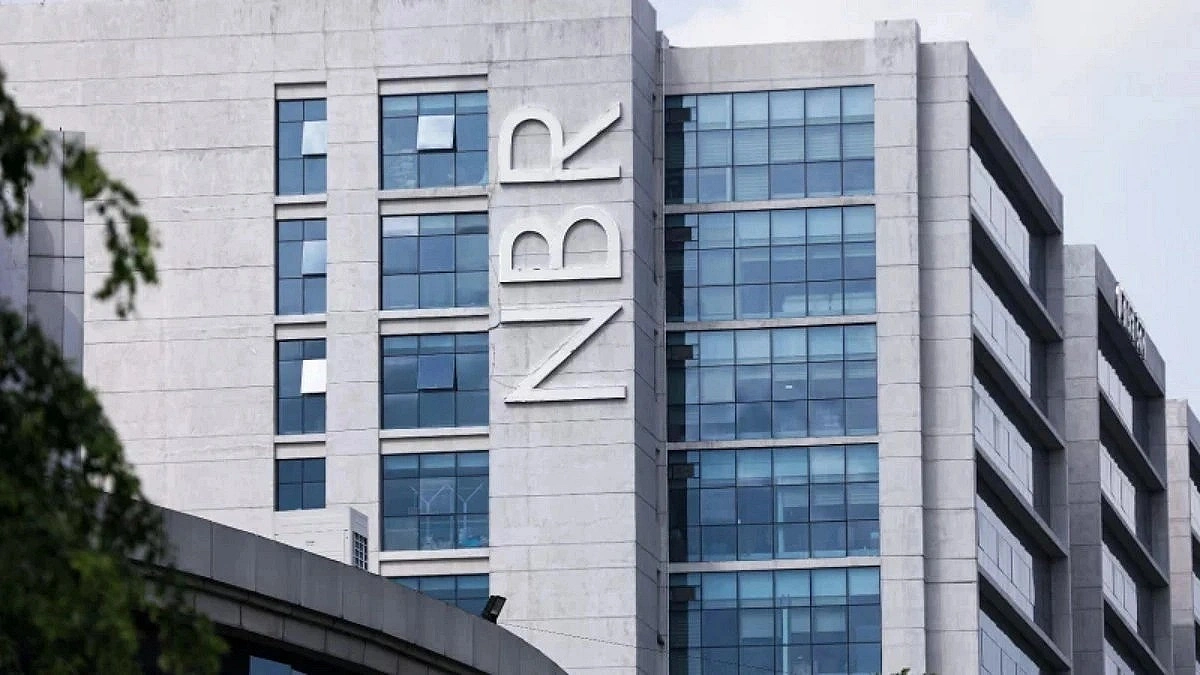
File Photo
Punishments of 24 National Board of Revenue (NBR) officials, who were suspended and later handed minor penalties due to protests over the NBR division issue, are going to be pardoned.
Fourteen officials from the income tax cadre and ten officials from the customs, excise, and VAT cadre have applied to the president seeking a waiver of their punishments. The documents are with the Ministry of Finance.
According to NBR sources, after the Ministry of Finance completes its procedures, the files will be sent to the president through the prime minister’s office.
NBR officials believe that if the punishments are pardoned, the discomfort and lack of morale that have developed among the officials over the long-running issue will be overcome, restoring momentum to revenue collection.
An official, speaking on condition of anonymity, told Agamir Somoy, “We have appealed to the president against the punishment handed to us. There is no question of a pardon here. He can increase the punishment if he wishes, or he can accept our application.”
After an ordinance was issued in May 2025 to split the NBR into two separate divisions - Revenue Policy and Revenue Management - NBR officers and employees launched protests in opposition.
They alleged that if the NBR were divided, their positions, responsibilities, career structures, and organizational interests could be harmed. In this situation, the “NBR Reform Unity Council” launched protests demanding the cancellation and amendment of the ordinance.
Gradually, the movement intensified, disrupting the operations of the NBR. A stalemate was created in the operations of various customs houses and land ports across the country. Since the clearance of import-export goods was hindered, it had a negative impact on trade and commerce.
To manage the situation, the protest was withdrawn through the mediation of business leaders. The then finance adviser Salehuddin Ahmed and then NBR chairman Abdur Rahman Khan had assured that no disciplinary action would be taken against the protesters. A committee was formed to review the amendment of the ordinance.
Later, the Internal Resources Division (IRD) took departmental action against 39 officials who were directly involved in the protests. Among them, three members of the NBR and one commissioner were sent into forced retirement.
After temporarily suspending other officials, departmental cases were conducted against them. As minor punishments, the salary grades of several officials were demoted by two to a maximum of three steps. As a result, the officials faced financial losses as well as obstacles to their promotions.
Since then, dissatisfaction and a lack of morale have developed among NBR officials and employees. They believe this has also affected revenue collection. In the 2025-26 fiscal year, there was a deficit of nearly Tk 88,000 crore in revenue collection.
The matter was brought to the attention of the prime minister at the NBR Revenue Conference. There, the officials requested a pardon for the punishments handed down over the protest incident.
Zahid Hussain, former lead economist of the World Bank’s Dhaka office, told Agamir Somoy, “Centering around this, a major crack had appeared in the morale of NBR officials. As a result, revenue collection also began to lose momentum. I think the initiative taken by the government will play an important role in motivating the officials.”
According to him, the morale and dynamism of revenue officials are crucial to achieving large revenue targets. If the punishments are pardoned, a positive message will be sent to the officials. At the same time, they must remain cautious in the future so that situations like violating public service rules do not occur during the implementation of administrative decisions and protests.


