Germans Rush to Track Down If Their Ancestors Were Nazis

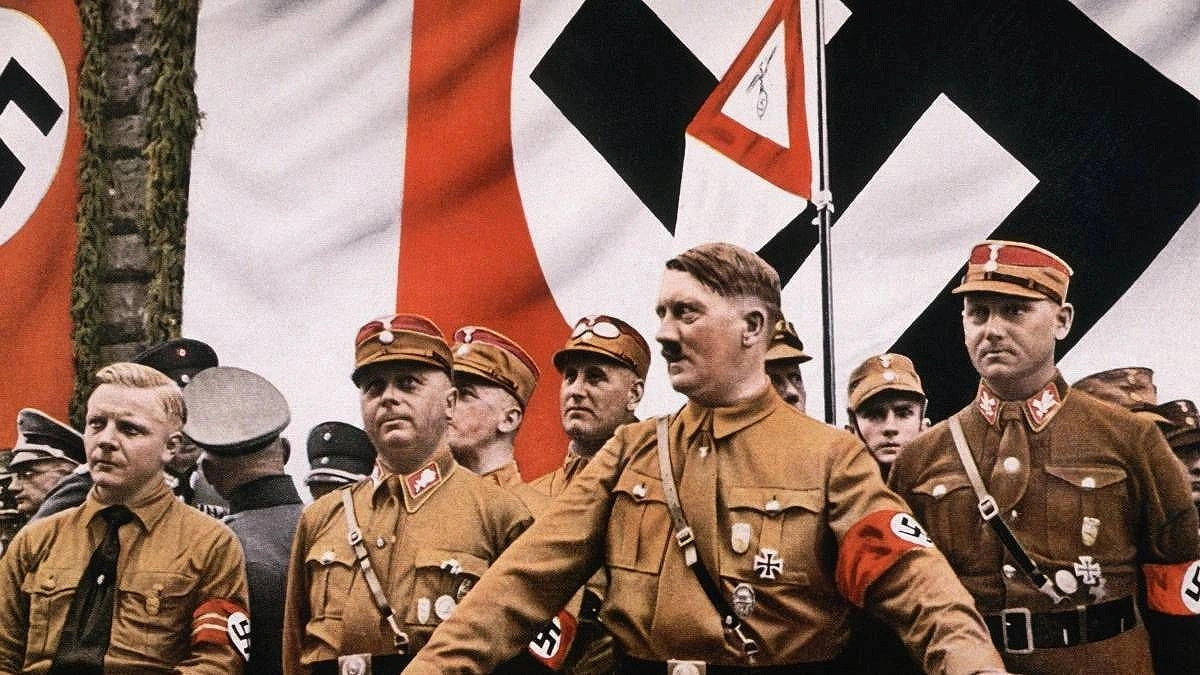
Collected Photo
The desire to know one's roots and ancestral history is a universal human trait. But what if that history is tied to a bloody and dark chapter of civilization? Recently, a situation like this has unfolded across Germany.
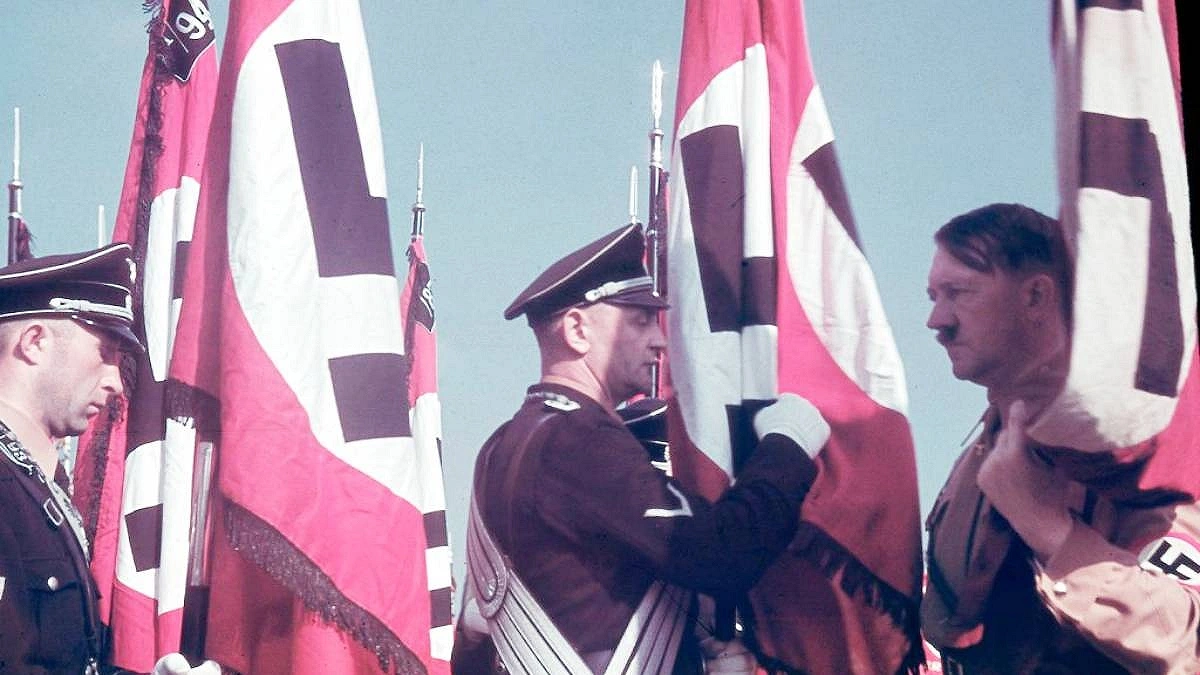
There is currently a massive rush online as people scramble to find out whether their ancestors were members of Hitler's infamous Nazi Party.
The German newspaper Die Zeit, with the help of AI technology, has launched a search engine containing the records of millions of members from the Nazi era. Since its launch, millions of people have flocked to the portal to uncover the truth about their family (genealogy) history. Information regarding German ancestors can now be found by searching the Die Zeit website.
For a long time following World War II, a "wall of silence" existed within many German families. Many members of the current generation remained unaware of whether their grandparents supported Hitler's ideology.
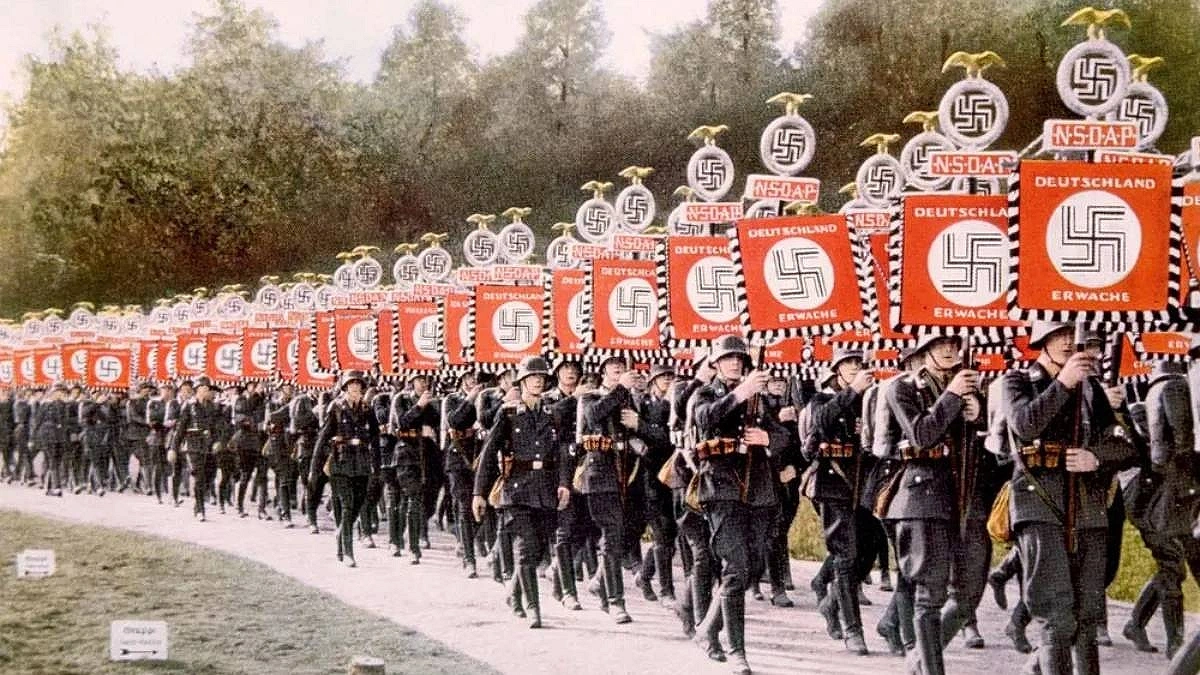
Die Zeit states that the purpose of launching this search engine is to "end the silence born out of a misplaced sense of shame."
History shows that between 1925 and 1945, approximately 10.2 million people joined the Nazi Party. Although the Nazis attempted to destroy these membership cards in the end of the war, the records were saved at the last moment and eventually fell into the hands of the Americans. That massive archive has now been made accessible to everyone.
Christian Staas, head of Die Zeit's history department, noted that in previous years, an average of only 75,000 people applied to access this information. Now, however, the pressure on the online portal is so high that the website occasionally crashes.
After finding their family members' names in the search engine, many have shared emotional reactions on social media.
One user named Emil wrote, "Both of my grandfathers were members of the Nazi party."
Another user confirmed after 40 years that their grandfather was a Nazi member. He said they finally found the answer as to why he would become so angry whenever the subject of the war was cited.
Holocaust researcher Christine Schmidt believes that in an era where historical facts are often distorted, these types of original documents serve as a powerful tool for uncovering the truth. While facing a bitter reality while searching for one's roots is painful, it also serves as a vital historical lesson for Germany’s new generation.