

Trump Scraps Hormuz Toll, Still Lacks Iran Exit Strategy

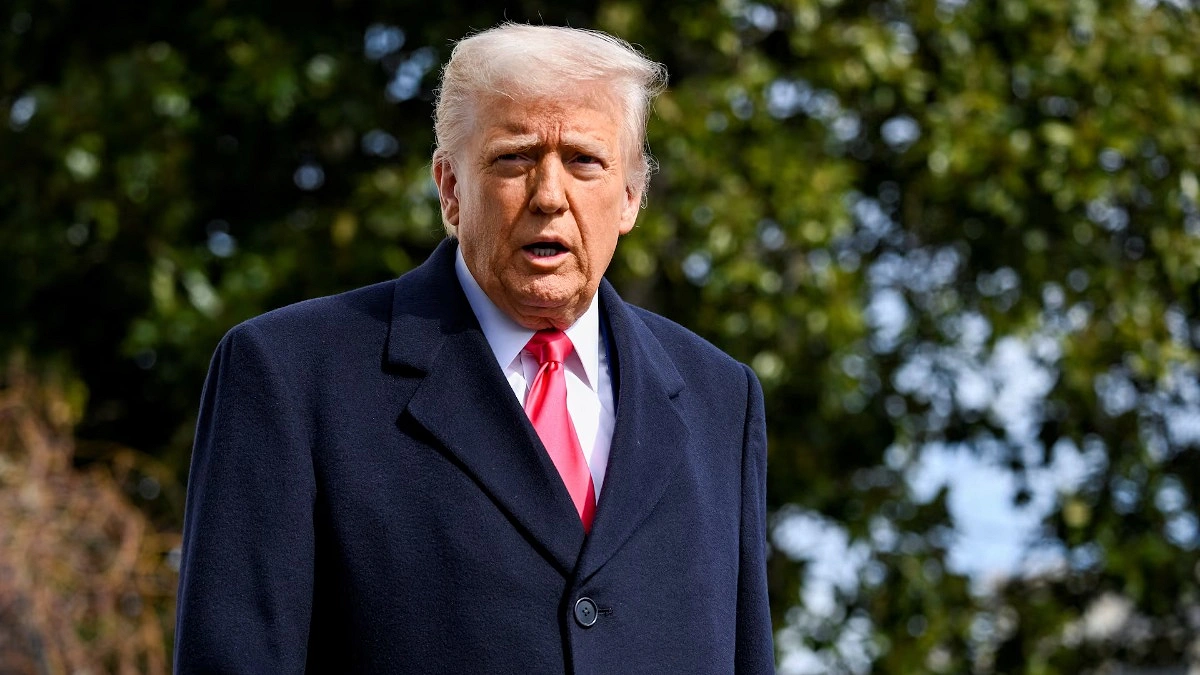
Photo: REUTERS
US President Donald Trump is struggling to find an exit strategy for the four-month-long Iran War after a series of abrupt policy shifts regarding the Strait of Hormuz.
He used social media on Monday to demand that all vessels transiting the Strait - including those of US allies - pay a 20 percent fee to reimburse the US for security costs.
However, he abandoned the proposal only 24 hours later, suggesting “trade and investment deals” with Gulf allies in exchange for safe passage instead.
The conflict persists despite a month-old “memorandum of understanding” (MOU) that had established a temporary ceasefire. Trump effectively terminated that agreement at 10:16 ET Tuesday by announcing a resumed naval blockade and a flurry of new military strikes across Iran.
Rosemary Kelanid, director of the Middle East program at Defense Priorities, observed, “I think the most likely ending is a non-ending,” adding, “This has turned into a war of attrition, and wars of attrition tend to go on for a long, long period of time.”
Iran countered by intensifying attacks on commercial shipping, bringing traffic through the Strait to a near standstill.
While the US military continues to hit Iranian targets and degrade their capabilities, political resolution remains distant. Iran remains capable of denying access to the waterway unless the Americans choose to dramatically escalate operations.
Notably, Trump’s abandoned toll proposal contradicted recent statements by US Secretary of State Marco Rubio, who had condemned similar Iranian plans.
Rubio previously stated, “No country is allowed to charge tolls or fees on an international waterway,” noting, “That’s existing international law. That’s the way it is in international waterways all over the world, and that’s the way we expect it here.”
The now-defunct MOU had envisioned Iran ensuring safe passage “using its best efforts for the safe passage of commercial vessels with no charge” in exchange for billions in investment and the removal of sanctions.
Kelanid declared, “The MOU is completely dead,” and “All of the things that it stipulated have now been undone.”
Economic pressures are mounting as oil prices jumped nearly 10 percent following Trump’s announcement, threatening to reverse a recent trend of dropping consumer prices.
Elliot Abrams of the Council on Foreign Relations remarked, “We’re back to where we were initially, where the question was: who’s got more patience?”
While he believes there is room for a new deal, he stated it would “not a return to the MOU”.
As the war enters its fifth month, Trump recently referenced the longevity of the Vietnam War. However, he faces pressure from supporters who are weary of the “forever wars” he once campaigned against.
For now, the prospect of a resolution appears no closer than it was when the conflict first began.
Source: BBC (adapted)

