

Five Arrested Over Human Placenta Smuggling in Pakistan

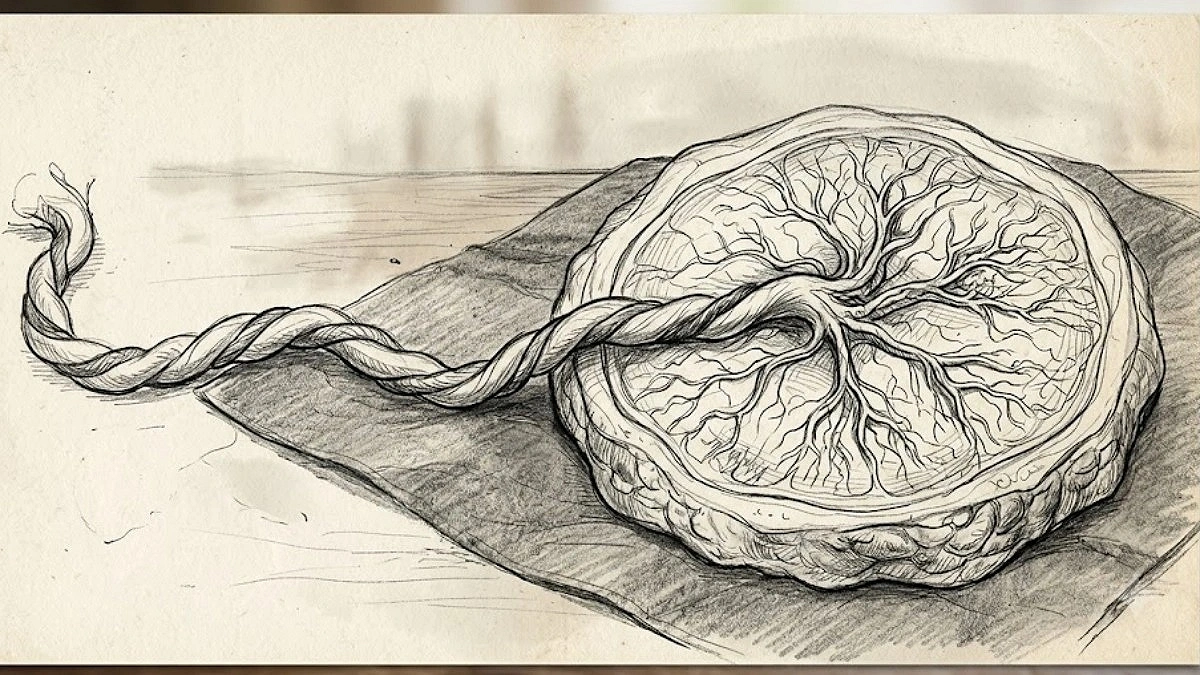
Nearly 500 kg of human placentas were recovered from an illegal processing facility. — AI
Pakistani authorities have launched an investigation into an alleged trafficking network accused of smuggling human placentas collected from hospitals to manufacture anti-aging injections.
According to Pakistan’s Federal Investigation Agency (FIA), the group collected around 200 kilograms (441 pounds) of placentas from hospitals each month. The tissues were dried, processed, and smuggled overseas, the agency told BBC Urdu.
Last week, FIA officers raided an illegal processing facility in Islamabad, recovering nearly 500 kilograms (1,102 pounds) of human placentas and arresting five suspects.
Photos released by the FIA showed a residential building converted into a processing center, where dried placentas were arranged on trays placed on trolley carts.
On Wednesday, the agency also seized a 100-kilogram (220-pound) shipment of human tissue bound for Vietnam at Islamabad International Airport.
Hina Kanwal, an official with Pakistan’s Human Organ Transplant Authority, said the suspects purchased placentas from hospitals in Islamabad and Rawalpindi for about 800 Pakistani rupees each.
Investigators believe the placentas were intended for the production of anti-aging injections abroad, with each injection reportedly selling for around 700,000 Pakistani rupees.
The FIA suspects the operation extended beyond the capital, with networks in Lahore, Peshawar, Rawalpindi, and other major cities. Authorities are also investigating the possible involvement of immigration officials, medical waste management companies, and several hospitals.
Under Pakistani law, the commercial trade of human organs carries a maximum penalty of 10 years in prison and a fine of up to 1 million Pakistani rupees.
An FIA official told BBC Urdu that while the agency has handled several illegal organ trafficking cases in the past, this is the first investigation involving what it described as an organized international human placenta smuggling network.
Officials said the suspects initially claimed they were storing sheep placentas but later admitted during questioning that the tissues were human.
Gynecologist Sadaf Tariq said human placentas are classified as highly infectious medical waste and are subject to strict disposal regulations.
In Pakistan and most other countries, placentas are typically discarded as medical waste after childbirth. Only government-authorized organizations are permitted to dispose of such waste, and hospitals are required to maintain detailed records.
The placenta is a temporary organ that develops in the uterus during pregnancy and plays a vital role in supporting the fetus. After childbirth, it is expelled from the mother’s body and its biological function ends.
Some people claim that because the placenta is rich in protein, iron, and fat, it may offer health benefits. Placenta-derived tablets and injections have also been marketed for tissue regeneration, although scientific evidence supporting such uses remains limited and regulations vary from country to country.

