
How Bobby Deol Became Bollywood’s Top Villain

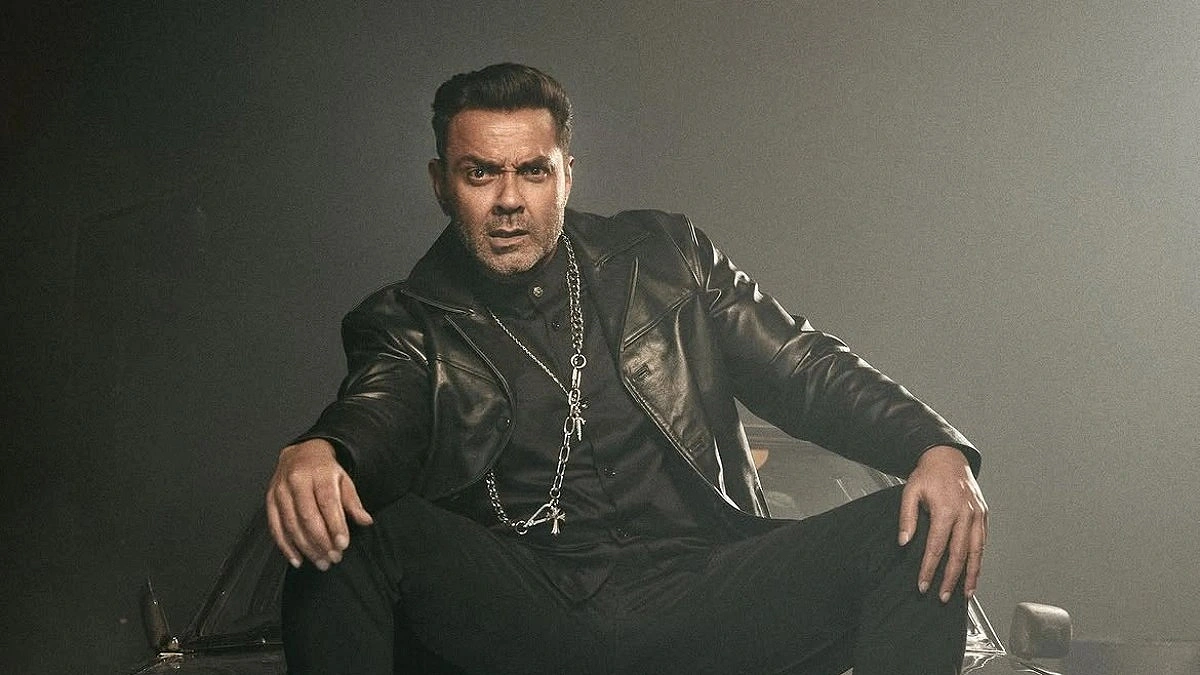
Picture: Bobby Deol
Once the heartthrob of the 1990s, with his tousled hair, charming smile, and romantic screen presence, Bobby Deol made audiences fall in love. Today, however, his entrance on the big screen leaves moviegoers gripping their seats in anticipation.
The former chocolate-boy hero has reinvented himself as one of Bollywood’s most compelling and feared on-screen villains.
That transformation comes into focus once again with the release of Yash Raj Films’ highly anticipated spy-universe film Alpha on Friday. In the action thriller, Alia Bhatt and Sharvari Wagh play elite agents who face Bobby Deol as Fateh Singh Lakhawat, a ruthless mentor and formidable antagonist.
As Alpha hits theaters, Bobby Deol’s remarkable journey from romantic leading man to one of Indian cinema’s most sought-after villains stands out as one of Bollywood’s greatest career comebacks.
During the late 1990s and early 2000s, Bobby enjoyed major commercial success with films such as Barsaat, Soldier, and Humraaz. But after 2010, a series of box-office disappointments pushed him out of the spotlight, and leading roles gradually disappeared.
In interviews, Bobby has spoken candidly about that difficult period, revealing that he struggled with depression and alcohol addiction while his career stalled. At a time when many believed his acting career was over, an unexpected opportunity through streaming platforms changed everything.
His second innings began in 2020 with the web series Aashram. Playing the calm yet manipulative fake spiritual leader Baba Nirala, Bobby demonstrated that a villain does not need loud outbursts or excessive violence to be terrifying. His restrained performance and unsettling screen presence earned widespread praise.
His career reached another level in 2023 with director Sandeep Reddy Vanga’s blockbuster Animal. Bobby appeared on screen for only about 10 to 12 minutes and delivered no dialogue, yet his portrayal of the mute psychopath Abrar Haque became one of the film’s most memorable performances.
His dance sequence to the song Jamal Kudu, balancing a glass on his head, quickly became a pop culture phenomenon. Fans even began referring to him affectionately as ‘Lord Bobby.’
Even before Animal, Bobby had impressed critics with his performance as the ruthless contract killer Dagar in the 2022 film Love Hostel. Without relying on glamour or lengthy dialogue, he created an intimidating character through controlled expressions and an icy stare, reinforcing his reputation as one of Bollywood’s most underrated performers in negative roles.
Following the success of Animal, Bobby’s demand expanded beyond Hindi cinema. He portrayed major antagonists opposite Suriya in the Tamil film Kanguva and Nandamuri Balakrishna in the Telugu action film Daaku Maharaaj, further strengthening his presence across Indian cinema.
He also showcased his versatility in Netflix’s The Ba***ds of Bollywood, playing the arrogant superstar Ajay Talwar and proving he could excel as a psychological antagonist beyond traditional action roles.
Unlike many conventional Bollywood villains who rely on shouting, exaggerated expressions, or theatrical performances, Bobby’s greatest strength lies in restraint.
His imposing physique commands attention, but it is his silence, subtle smile, and unwavering gaze that create an atmosphere of tension. Rather than intimidating audiences through aggression, his villains project danger through composure.
Whether portraying Baba Nirala, Abrar Haque, Dagar, Ajay Talwar, or now Fateh Singh Lakhawat, Bobby Deol has built a distinctive style of villainy rooted in quiet menace instead of loud theatrics.
Not long ago, he was an actor waiting for a single opportunity after years of commercial failures. Today, some of India's biggest filmmakers are crafting major stories with him at the center of their most powerful antagonists.
It is a remarkable career twist. The actor who once captivated audiences as a romantic hero is now defining a new chapter as one of Bollywood’s most iconic villains.
