

Say Activists
Tibetan man dies after setting himself ablaze near UN HQ in New York

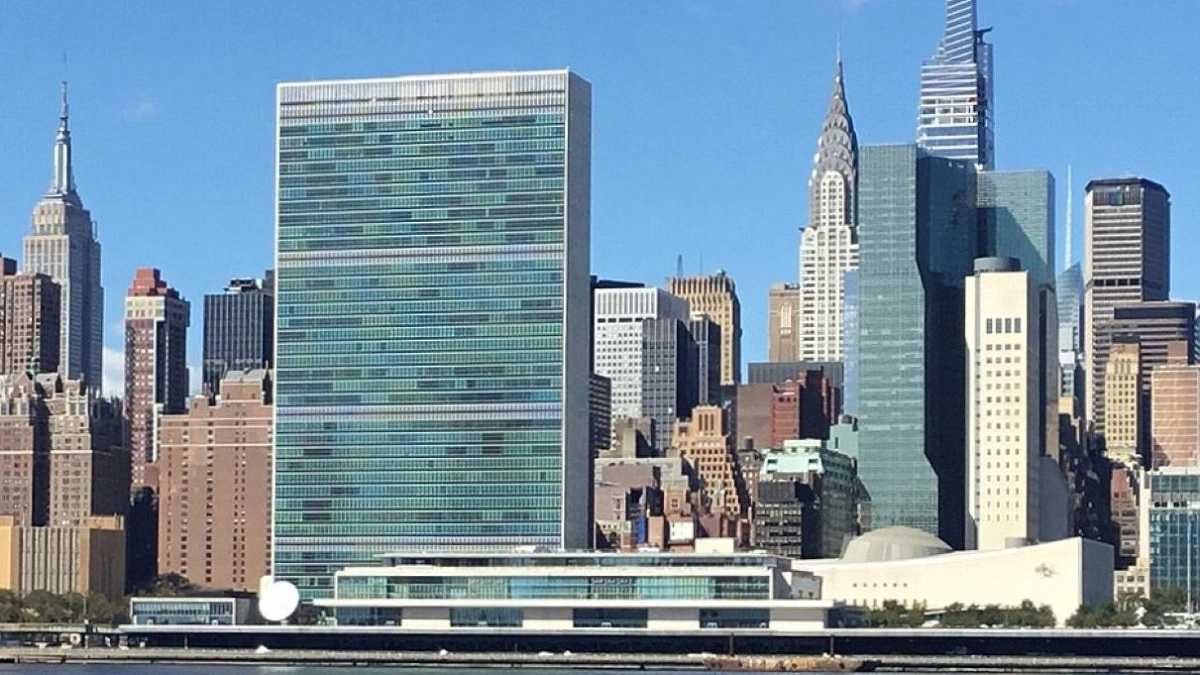
Photo Courtesy: Wikipedia
Man Dies After Setting Himself on Fire Near UN Headquarters in Tibetan Independence Protest A Tibetan activist has died from severe burns after setting himself on fire near the United Nations headquarters in New York City on Thursday evening.
Activists and exile media outlets have identified the man as Logba Rangzen, stating his actions were a desperate plea for Tibetan independence and unity. The Incident and Police Investigation According to a spokesperson for the New York City Police Department (NYPD), officers responded to an emergency call at approximately 6:30 p.m. ET on Thursday. Upon arrival, they discovered a man suffering from catastrophic burns. The individual was rushed to Bellevue Hospital, where he was subsequently pronounced dead.
The NYPD stated that an investigation into the incident is ongoing and has not yet officially released the man's identity. Activist Identity and Motivation Voice of Tibet, a media outlet run by exiled Tibetans, reported that Rangzen broadcasted a live appeal for Tibetan freedom and unity just moments before self-immolating outside the UN.
Local news website amNewYork reported that Rangzen worked as an Uber driver and had brought a Tibetan flag to the scene. A fellow driver and member of the local Tibetan community, Lobsang Paljor, expressed shock over the death, noting that Rangzen was deeply furious over the increasing restrictions the Chinese government has imposed on his homeland.
Tencho Gyatso, president of the International Campaign for Tibet, paid tribute to Rangzen, calling him a "tireless advocate for Tibet" and expressing profound sadness over the tragedy. Escalating Tensions Over China's New Law The self-immolation comes during a period of heightened tension following the implementation of China's new "ethnic unity law" this week. The legislation, which has drawn sharp criticism from the United States and the European Union, aims to forge a "shared" national identity among China's 55 ethnic minority groups, including Tibetans and Uyghurs. Crucially, the law provides Beijing with a legal framework to target individuals outside its borders, a move that has sparked widespread protests from the global Tibetan diaspora. Since Xi Jinping assumed the presidency in 2012, Beijing has significantly ramped up surveillance and institutional control over Tibet to suppress any signs of "separatism." Self-immolation has previously been used by Tibetan protesters as an extreme form of political dissent against China's severe cultural and political restrictions. (Source: NBC News)

