
Iran warns enemies not to attack Khamenei's funeral

Collected Photo
Iran has warned Israel and the United States not to launch any attacks during the funeral of Ayatollah Ali Khamenei. Tehran urged them to consider the prospect of "harsh retaliation" before taking any action, RT reports.
On Thursday, Ali Abdollahi, the commander of the Khatam al-Anbiya Central Headquarters, said, "We warn Iran's enemies, especially the United States and the Zionist regime (Israel), not to make any miscalculations. They should keep in mind that the Iranian armed forces will take harsh revenge in response to any threat or aggression aimed at our country."
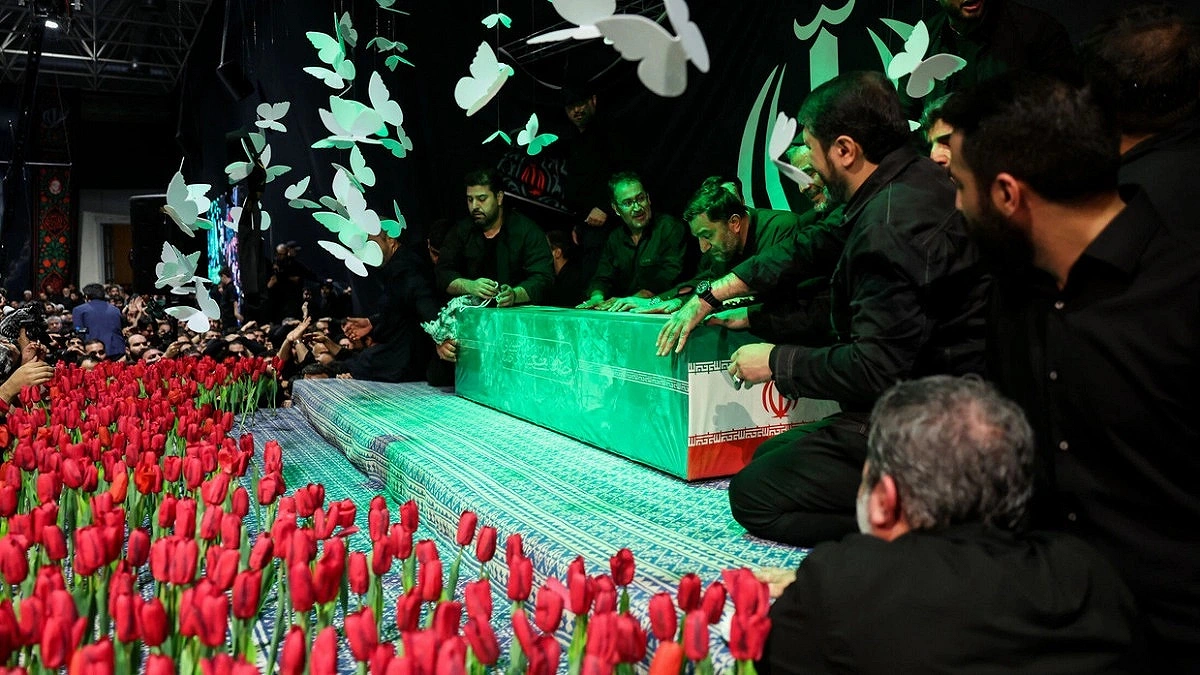
The body of the late Supreme Leader, Ayatollah Ali Khamenei, was brought to the capital, Tehran, on Thursday night for the final farewell rituals. Diplomats are paying their respects today. The funeral services will begin tomorrow, July 4, with the main rituals. He will be buried in his hometown of Mashhad on July 9.
Meanwhile, due to security concerns, the country's current Supreme Leader, Mojtaba Khamenei, will not attend his father's funeral. His representative, Ayatollah Hakim Elahi, stated that making a public appearance could be "dangerous" for Mojtaba due to threats and surveillance risks from Israel.
Earlier on Monday, Israeli Defense Minister Israel Katz claimed that Iran's current leader, Mojtaba Khamenei, remains "marked for death" just like his father. Consequently, observers believe there remains a significant threat of an attack on Khamenei's funeral.
Iranian Foreign Minister Abbas Araghchi warned on Wednesday that Tehran would deliver an immediate and severe response to any threat against the Iranian people or its leadership.
Israel has a long history of assassinating Iranian leaders and nuclear scientists. On February 28, the first day of the latest war, the US and Israel launched attacks targeting multiple top Iranian leaders. Ayatollah Ali Khamenei, several members of his family, and around 40 top officials were killed. Israel later assassinated several individuals with whom the US had intended to negotiate, including Iran's top national security official Ali Larijani and former Foreign Minister Kamal Kharazi.
