Even though peace has returned to Hormuz, the scars of war remain

Collected Photo
It is a scorching hot summer afternoon. At the jetty of Bandar Abbas, fishermen are busy unloading their catch from fishing boats. Pointing out a few small sharks caught in the net, one fisherman mentions that shark meat sandwiches are a popular food in this region. Another sets off for home on a motorcycle, with two large fish hanging from both sides.
Looking at it, one would think it is a completely normal fishing port. However, this port is located on the shores of the Strait of Hormuz, which has been at the center of war and tension. It is situated in the Iranian city of Bandar Abbas.
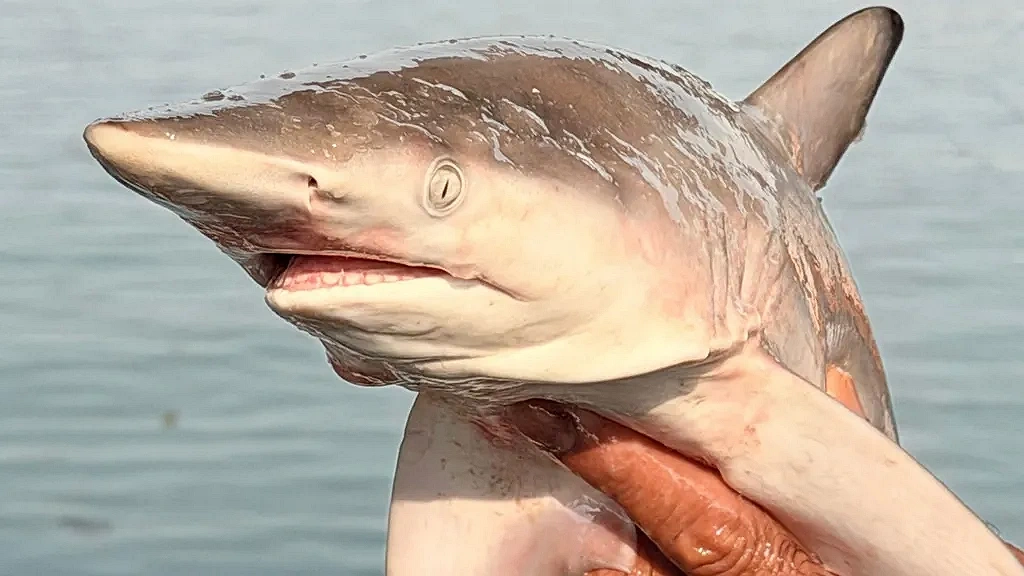
Fishing in the strait has begun.
Just a few months ago, gunfire echoed here, and the sea route was shut down. Now, a ceasefire is in place, and the fishermen have returned. But is this return completely comfortable? No. Seized ships are still floating in the distant sea. The scars of Israeli attacks remain visible on the city.
Even though peace has returned, the fear has not faded. There is anxiety in people's words, and a mixture of relief and hardship in their eyes. This is the story highlighted by the BBC.
For the first time since the war began, journalists from international media got the opportunity to visit the Iranian part of the Strait of Hormuz.
Following the US and Israeli attacks on Iran on February 28, Iran retaliated by launching attacks on Israel and several Gulf nations hosting US military bases. At the same time, they turned their geographical position into a strategic weapon.
Iran's Islamic Revolutionary Guard Corps (IRGC) began firing at commercial ships passing through the Strait of Hormuz without their permission. This effectively paralyzed one of the world's busiest shipping lanes.
Sailors from various countries became stranded at sea. Oil prices skyrocketed in the international market, leading to an increase in the cost of fuel, transport, and numerous goods shipped by sea.
In response, the United States imposed sanctions on ships using Iran's Gulf ports.
As a result, fishing in this maritime area became nearly impossible for months. Many fishermen stopped going to sea altogether, while some went out to fish despite the risks of the warzone just to earn a livelihood.
However, following a ceasefire agreement with the United States, Iran has reopened the Strait of Hormuz on a limited scale. Consequently, the situation has gradually started returning to normal. The sea has calmed, and fishermen are returning to the waters with their boats once again.
One of them, Abdul Rahman, takes the BBC on a tour around the Strait of Hormuz. He highlights how the war has transformed Bandar Abbas and changed the lives of the people around it.
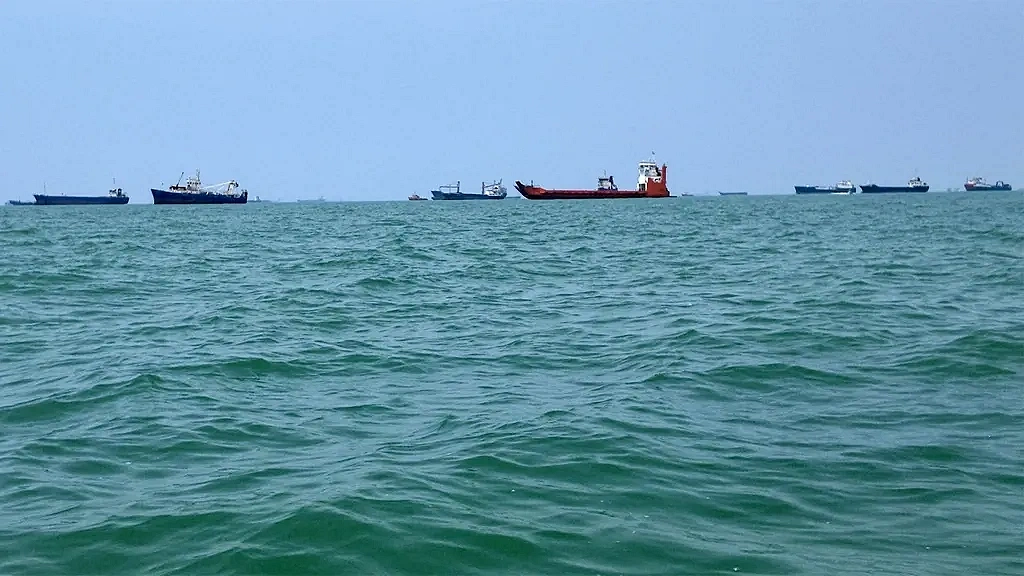
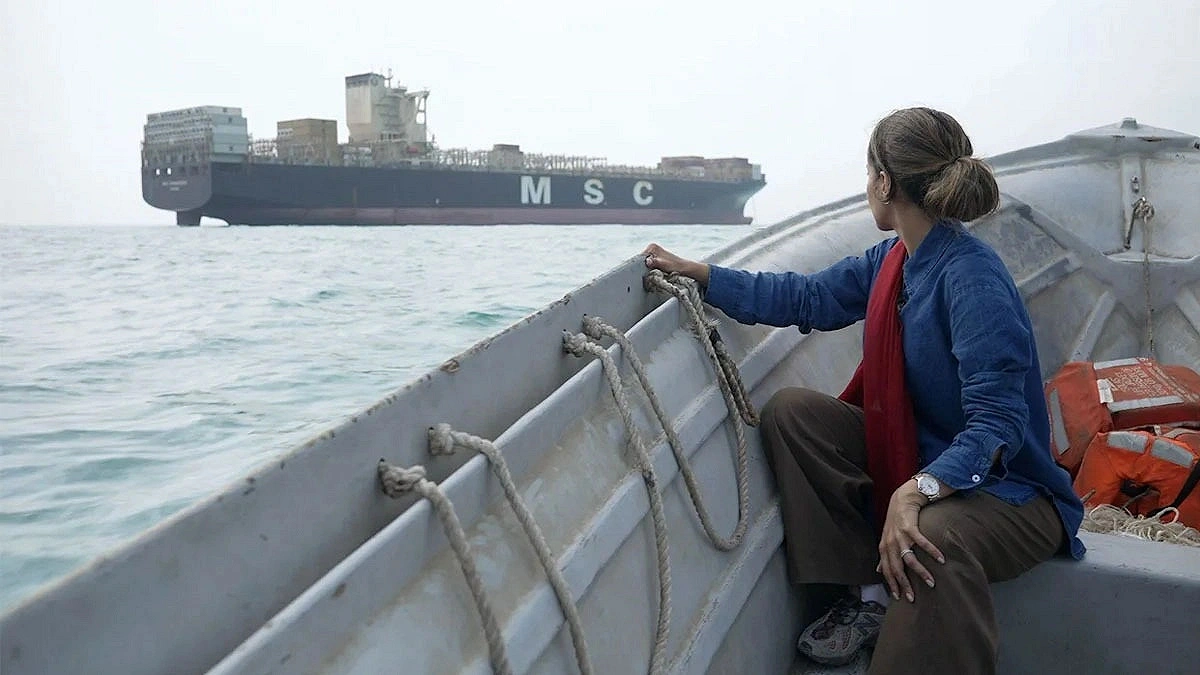
While passing through the strait, two container ships seized by the IRGC in April come into view. During the most intense period of the conflict, Iran claimed that the two vessels had disrupted maritime security by operating without the necessary permissions and altering their marine navigation systems.
The Panama-flagged MSC Francesca and the Liberia-flagged Epaminondas have not been released even after the ceasefire.
Additionally, many other cargo ships can be seen waiting near the coast. They will only be able to cross the strait once they receive permission from the Iranian authorities.
On the way to Hormuz Island, about eight kilometers from the coast of Bandar Abbas, Rahman points out an ancient fort. Standing over the sea, the reddish walls of this fort serve as a reminder that the battle for control over the Strait of Hormuz has spanned centuries.
The fort was built by the Portuguese at the beginning of the 16th century. For a long time, it stood as a symbol of their naval dominance. Later, in 1622, Persia's Shah Abbas I expelled the Portuguese. The current city of Bandar Abbas is named after him.
Even today, Bandar Abbas remains one of Iran's most important military and strategic cities. The main bases of the Iranian Navy and the naval branch of the IRGC are located here.
In peacetime, nearly one-fifth of the world's total oil and gas transport passes through the Strait of Hormuz. As a result, the importance of this strait is immense for both the global economy and Iran's military strategy.
US President Donald Trump has repeatedly warned that if Iran does not fully reopen the strait, the conflict will escalate further, threatening Iran's very existence.
However, while the ceasefire remains in effect, Iran has still not fully reopened the strait. According to analysts, it remains a crucial bargaining chip for Tehran in negotiations for a permanent peace treaty with the United States.
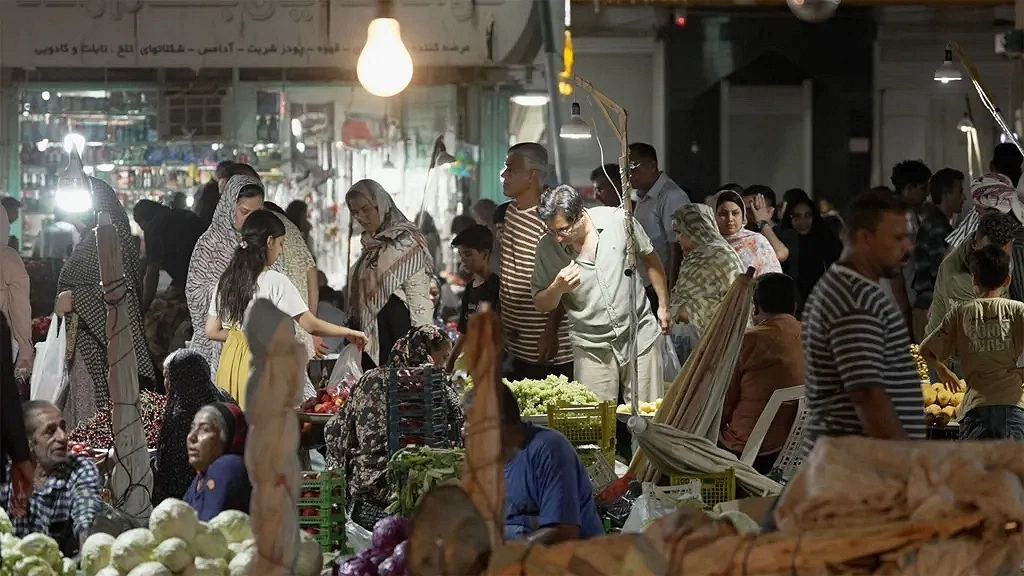
Normal life is now gradually returning to the city of Bandar Abbas. Families have returned home, shops have reopened, and traffic has increased on the streets once again. The centuries-old bazaar is also bustling with buyers and sellers.
Yet, the scars of war remain evident.
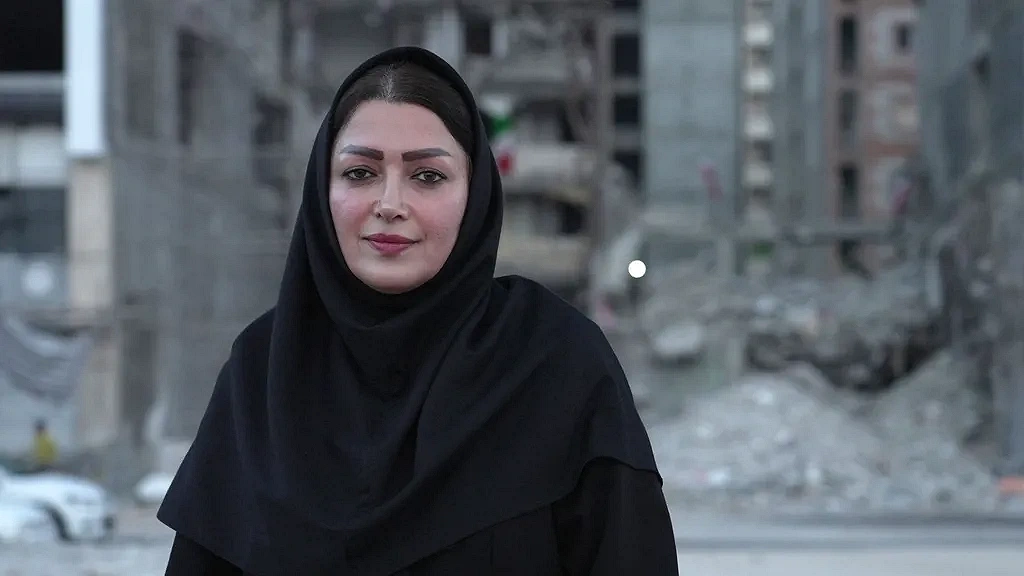
On the city's Khushnudi Road, a residential building has partially collapsed. The building was devastated by an Israeli missile strike on March 26.
While one part of the building still stands, the other section has been turned into rubble. Residents' rooms can be seen through the gaps in the broken walls. The national flag of Iran still flies in front of the building.
Fatema, a 40-year-old businesswoman, used to work in an office inside that building. She was not there at the time of the attack.
She said, "I knew many families living here. There were mothers and children too. They were asleep at the time of the attack. While some survived, three people were killed. One of them was a military officer. However, this was not a military base."
The Israel Defense Forces stated that their target was IRGC Navy Commander Alireza Tangsiri. Iran confirmed his death four days after the attack.
According to information from Iran's Fars News Agency, three people were killed and seven others were injured in that attack.
The Iranian Red Crescent stated that, so far, 261 people have been killed in Hormozgan Province, including both civilians and military personnel.
According to the Armed Conflict Location & Event Data Project (ACLED), a conflict monitoring organization, at least 96 US attacks took place in and around Bandar Abbas from February 28 until the ceasefire took effect on April 8.