How Khamenei's body was preserved for four months

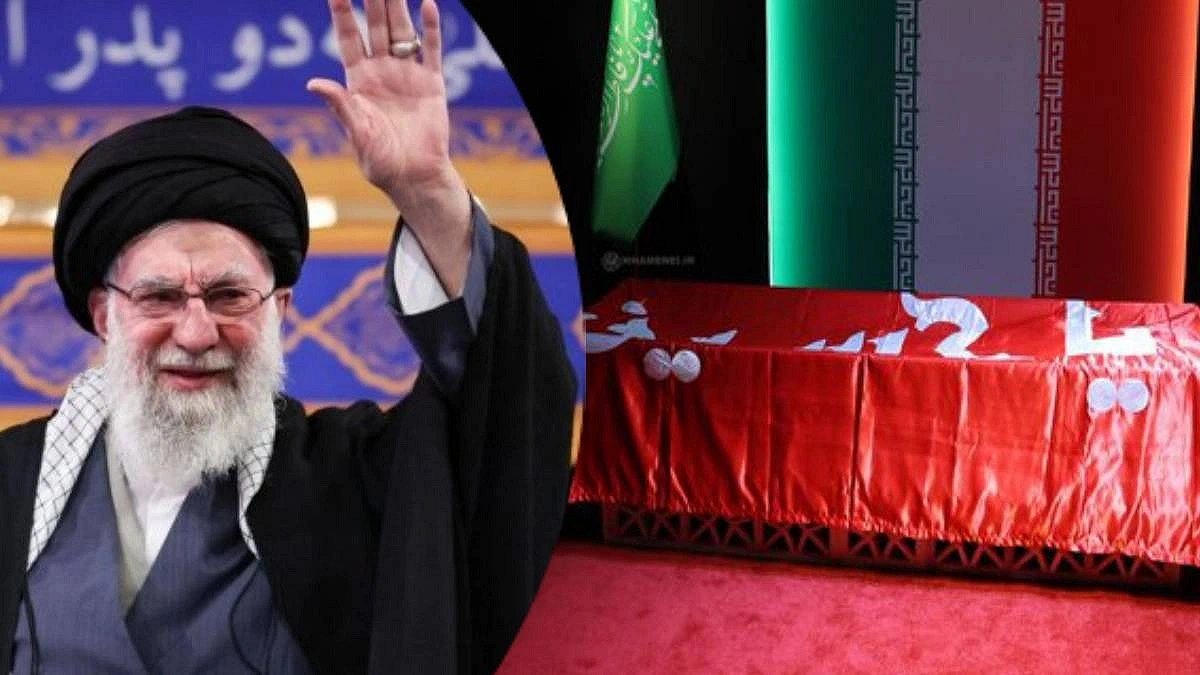
Collected Photo
Ayatollah Ali Khamenei was killed earlier this year on February 28 in a joint US-Israeli attack. Since then, Iran has kept the Supreme Leader's body preserved. However, discussions are now swirling regarding how Khamenei's body was maintained for this long.
Analysts point out that Islamic rituals generally mandate a swift burial, and mummifying a body instead of burying it is highly discouraged.
In an interview with Fox News Digital, counter-terrorism expert Dr. Mohammad Omar said, "Since mummification is forbidden in Islam, Khamenei's body was almost certainly kept in refrigerated cold storage. It does not appear that any chemicals were used."
"Shia jurisprudence allows for delayed burials and the preservation of bodies through freezing under exceptional circumstances. And for a Supreme Leader, obtaining such an exemption or waiver from religious scholars is very easy," Mohammad Omar added.
According to Dr. Mohammad Omar, bodies are routinely preserved for months in Iran's forensic morgues. Therefore, keeping a body in cold storage for four months is not unusual, and this is essentially what can be explained through "religious and legal standards."
On February 28, a missile strike targeted Khamenei's compound in Tehran under the US-led Operation Epic Fury, resulting in his death.
Regarding the current condition of Ali Khamenei's remains, Mohammad Omar said, "There might not be a fully intact body left there for people to pay their respects to. Khamenei was killed in a bunker-buster bomb strike. The remains of those killed alongside him were recovered weeks later and identified via DNA testing."
Mohammad Omar further noted that if the government had recovered an intact body, they would not have canceled previous farewell ceremonies or repeatedly changed the burial location. This suggests that the primary objective now is simply to pay tribute to whatever fragments of Khamenei's remains the government managed to salvage and preserve.
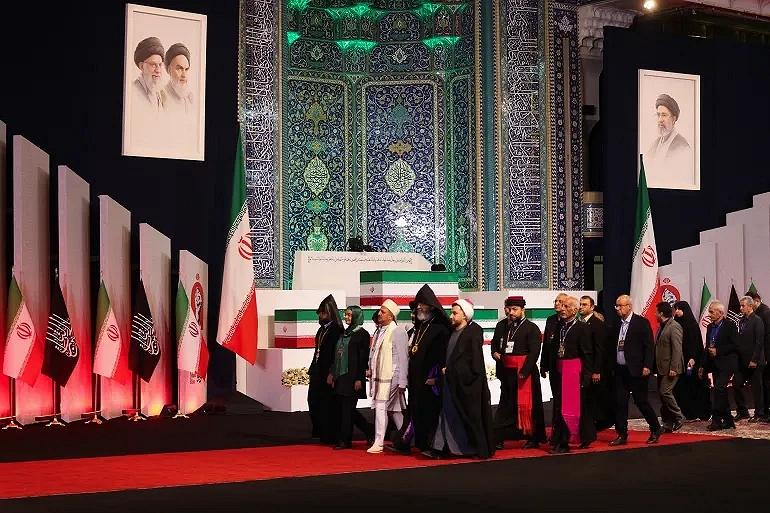
Meanwhile, the remains of were brought to the Grand Mosalla of Tehran this Friday morning.
Press TV reported that the remains have been placed in the main prayer hall of the Grand Mosalla for a two-day public viewing to allow citizens to pay their respects. In the initial phase, foreign diplomats and religious figures are arriving to offer their tributes.
Source: New York Post