
Qatar Denies Release of Frozen Iranian Funds

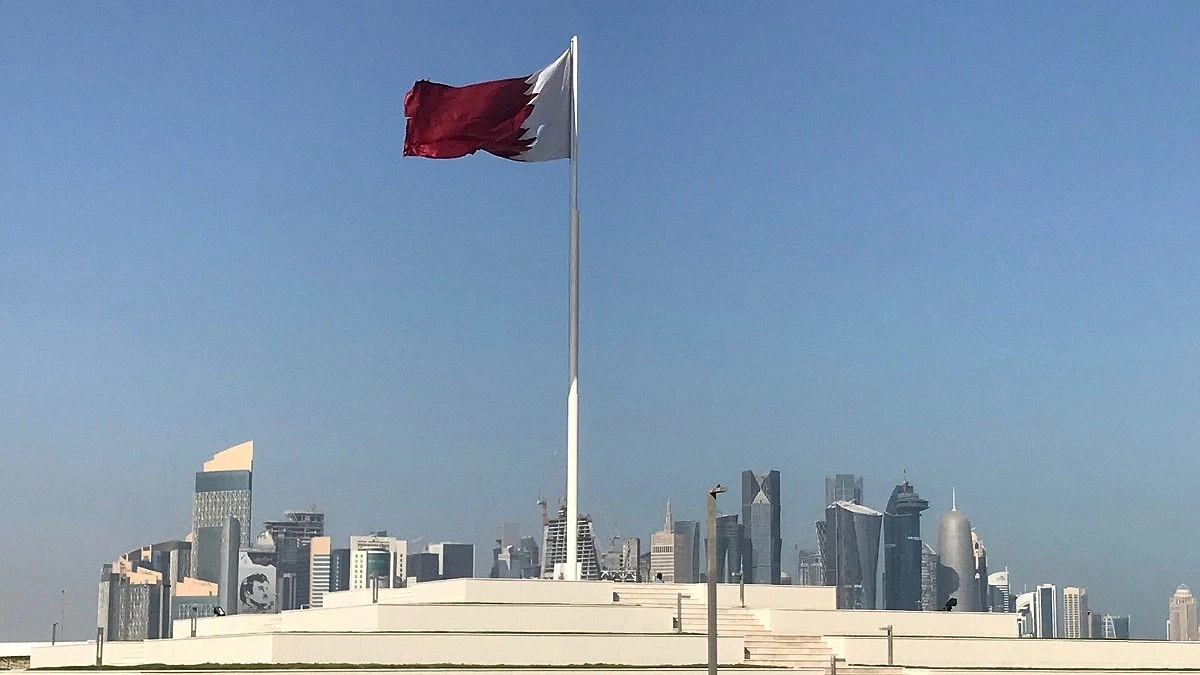
Flag of Qatar. Photo|: Reuters
Qatar has said it has not transferred any frozen Iranian funds to Tehran and stressed that any future release of the assets will depend entirely on progress in the ongoing talks between the United States and Iran.
In a statement on Monday, Qatar’s Foreign Ministry said that US officials Steve Witkoff and Jared Kushner will visit Doha for meetings with mediators. The discussions will focus on the latest developments in the ongoing US-Iran negotiations.
The statement added that technical-level talks between Washington and Tehran continue without interruption. Mediators are working to advance dialogue between the two sides.
Qatar also rejected reports claiming that the $6 billion in frozen Iranian assets had already been released.
The Foreign Ministry said, “The issue of the frozen funds is directly linked to progress in the negotiations between Washington and Tehran.” It added that the funds cannot be transferred without the consent of both parties.
Highlighting the strategic importance of the Strait of Hormuz, the statement said that fully reopening the waterway and restoring normal maritime traffic remain key priorities.
Qatar said it is closely coordinating with Oman to ensure safe navigation through the Strait of Hormuz and to support mine-clearing operations.
“Qatar’s priority is the safety of navigation through the Strait of Hormuz and the removal of mines,” Qatari Foreign Ministry said.
It also stated that freedom of navigation is a fundamental right for all Gulf countries and that any disruption to vessel traffic through the Strait of Hormuz is unacceptable.
The statement welcomed France’s participation in efforts to clear mines from the Strait of Hormuz. It also referred to ongoing diplomatic efforts aimed at restoring regional security and stability following the recent conflict.
Qatar said a direct communication channel is being used during the talks to reduce tensions in the Strait of Hormuz and help end the recent standoff.
Source: Middle East Monitor (adapted)
