

Pakistan monsoon deaths reach 151

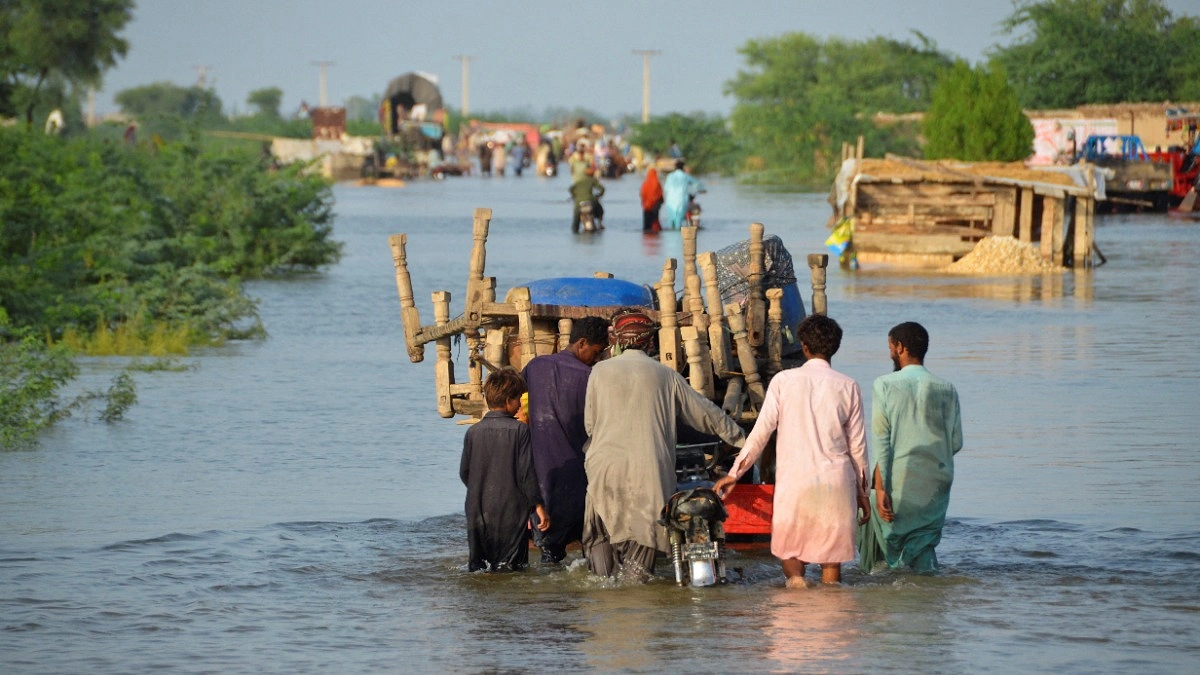
File photo: REUTERS
National Disaster Management Authority (NDMA) said the death toll from monsoon-related incidents in Pakistan has reached 151 since 26 June.
The authority also issued a warning regarding a fresh rain spell on Saturday, which may trigger moderate to heavy downpours in various regions. Since the monsoon season commenced in late June, heavy rains have pounded multiple provinces, with Khyber Pakhtunkhwa recording the highest number of fatalities at 64.
Other deaths occurred in Punjab at 53, Sindh at 15, Azad Jammu and Kashmir at 10, Balochistan at 8, and Gilgit-Baltistan at 1.
NDMA identified drowning, house collapses, electrocution, and flash floods as the primary causes of these fatalities. The monsoon season has left 448 people injured, a figure that includes 150 children, 108 women, and 190 men.
The authority said, “Current meteorological conditions and analysis indicate that a fresh wet spell is likely to commence from 8 August.”
Under the influence of this approaching weather system, scattered areas in Punjab, northeast Sindh, and Khyber Pakhtunkhwa should expect moderate rainfall. NDMA noted that a westerly weather system will likely reach the upper regions of the country by 10 August.
The weather system is expected to bring moderate to heavy rainfall to the upper catchments of all major rivers, as well as Islamabad, Azad Jammu and Kashmir, Gilgit-Baltistan, Khyber Pakhtunkhwa, and upper Punjab.
Despite contributing less than one percent of global greenhouse gas emissions, Pakistan remains one of the most vulnerable nations to climate change impacts. The catastrophic floods of 2022 previously submerged nearly a third of the country, resulted in more than 1,700 deaths, and led to billions of dollars in economic losses.
Since those devastating floods two years ago, officials have improved glacial lake monitoring, weather forecasting, and emergency coordination to bolster preparedness and mitigate disaster risks.
In recent times, Pakistan has experienced increasingly unpredictable weather patterns, ranging from prolonged heatwaves and droughts to destructive floods.
Scientists said climate change is amplifying both the frequency and severity of these extreme weather events, which continues to place vulnerable communities across the nation at growing risk.
Source: Pakistan Today (adapted)