
Remembering Sheikh Hamad, The Architect of Modern Qatar

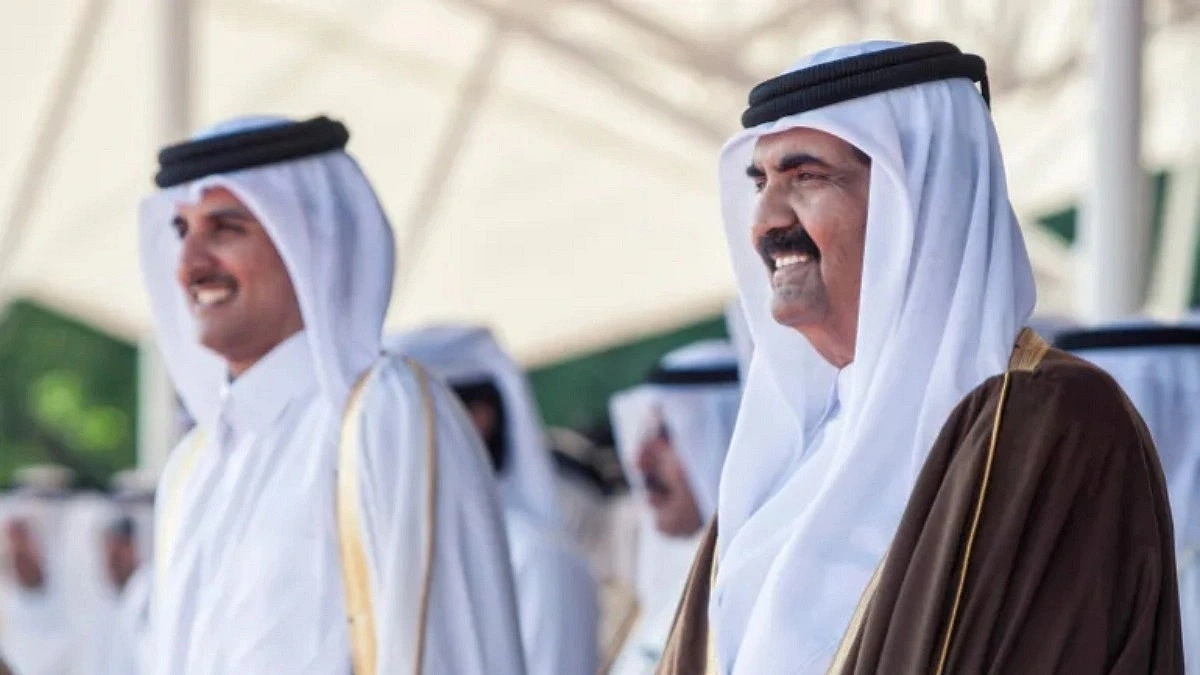
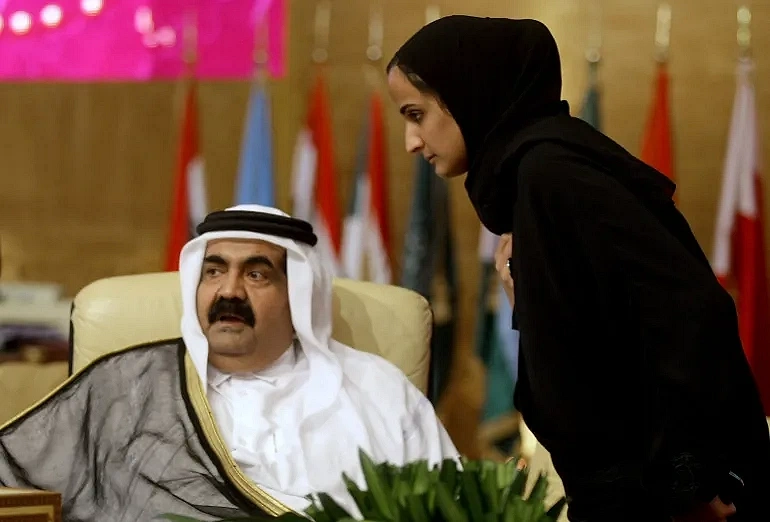
Sheikh Hamad bin Khalifa Al Thani with his son, Sheikh Tamim bin Hamad Al Thani.
Sheikh Hamad bin Khalifa Al Thani passed away at the age of 74. Widely regarded as the architect of modern Qatar, he ruled the Gulf nation for 18 years. During his tenure, the gross domestic product of the small country of nearly 2.5 million people expanded more than 24-fold.
Under his leadership, Qatar transformed its political, economic, and social landscape by harnessing its vast natural gas resources. The transformation significantly elevated Qatar's standing in the international community.
According to the Amiri Diwan, Qatar became the world's largest exporter of liquefied natural gas (LNG) by 2006 during Sheikh Hamad's rule. By 2010, the country's annual LNG production capacity had reached 77 million tons. It now accounts for 20% of the global market.
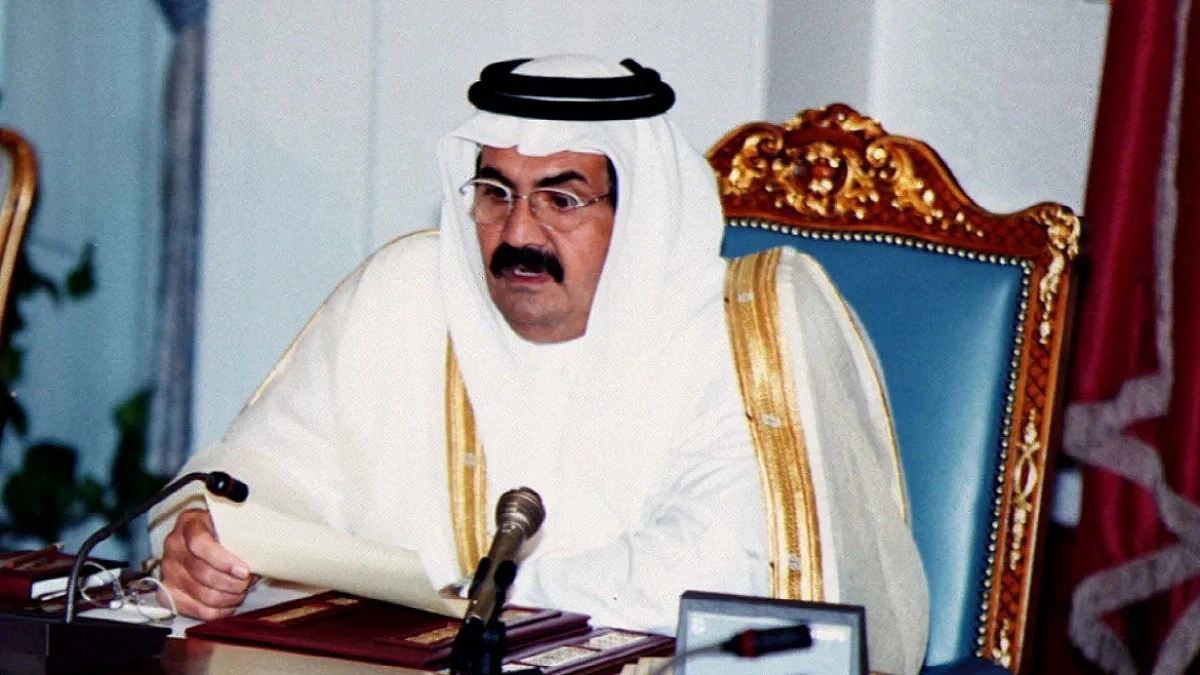
Sheikh Hamad invested heavily in reforming Qatar's education, healthcare, sports, and media sectors. A year after assuming power, he established the Al Jazeera Media Network, which has since grown into one of the world's most influential international media organizations.
Al Jazeera has become a primary source of news on the Middle East for audiences around the world. Sheikh Hamad recognized the importance of such a platform long before many others did.
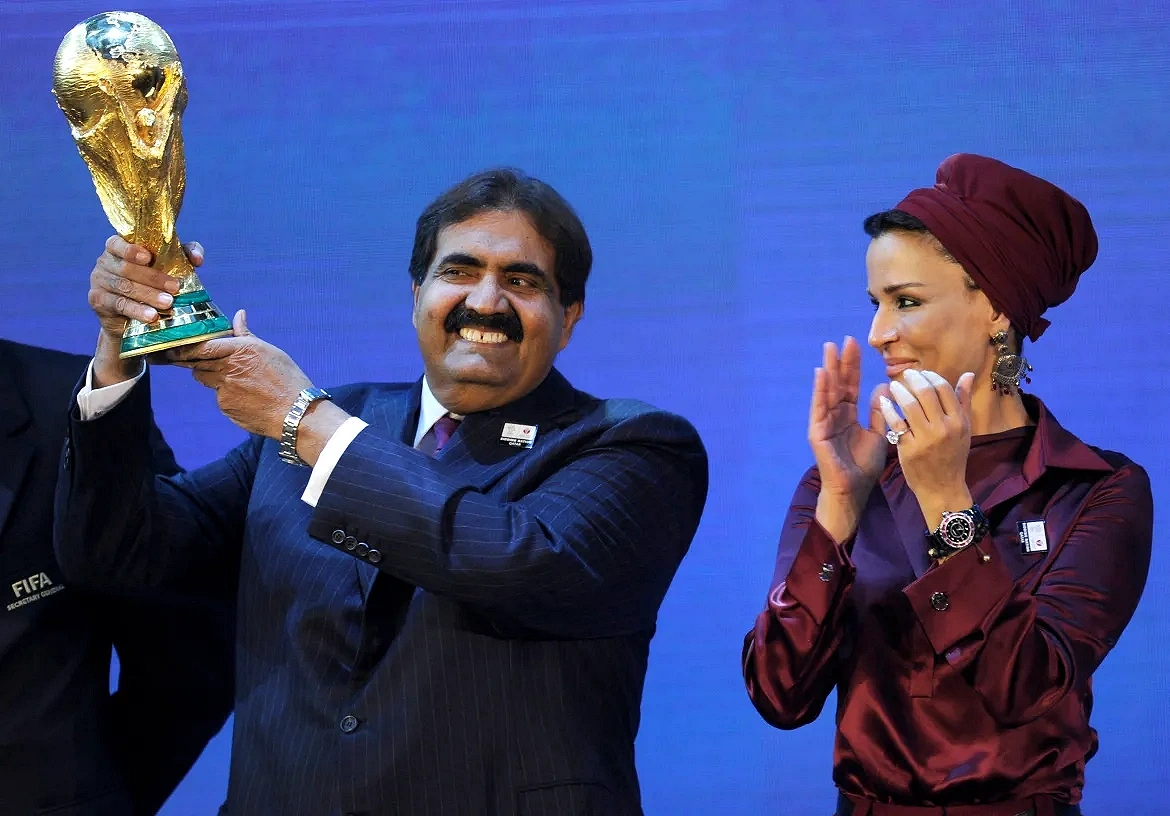
He also laid the foundation for the Qatar Foundation. In 2004, he introduced Qatar's first permanent constitution. His administration introduced municipal elections and voting rights for women. Many credit his visionary leadership with helping Qatar become the first Arab nation to win the right to host the 2022 FIFA World Cup.
Looking Back
Sheikh Hamad was born in Doha in January 1952. He graduated from the Royal Military Academy Sandhurst in the United Kingdom in 1971 and later became a major general in the armed forces. He played a key role in modernizing the Qatari military. In May 1977, he was appointed crown prince and minister of defense.
In 1989, he became chairman of the Supreme Council for Planning, where he laid the foundation for Qatar's long-term social and economic policies.
He became emir on June 27, 1995. Eighteen years later, on June 25, 2013, he handed power to his son, Sheikh Tamim bin Hamad Al Thani, in a rare voluntary transfer of power in the Arab world. At the time, he said the country's future should be carried forward by a younger generation of leaders.
A Legacy of Diplomacy
Sheikh Hamad played a significant role as a mediator in international diplomacy. Qatar helped broker efforts to resolve the Darfur conflict, political divisions in Lebanon, and the dispute between Hamas and Fatah in Palestine during his rule.
He also authorized the opening of a political office for the Taliban in Doha, paving the way for negotiations between the United States and the Taliban. Those talks eventually led to the withdrawal of U.S. and NATO forces from Afghanistan in 2021.
During Sheikh Hamad's rule, Doha supported the popular uprisings known as the Arab Spring. His government backed pro-democracy movements in Tunisia, Egypt, and Libya. It also urged the Syrian government of Bashar al-Assad to end its crackdown on protesters.
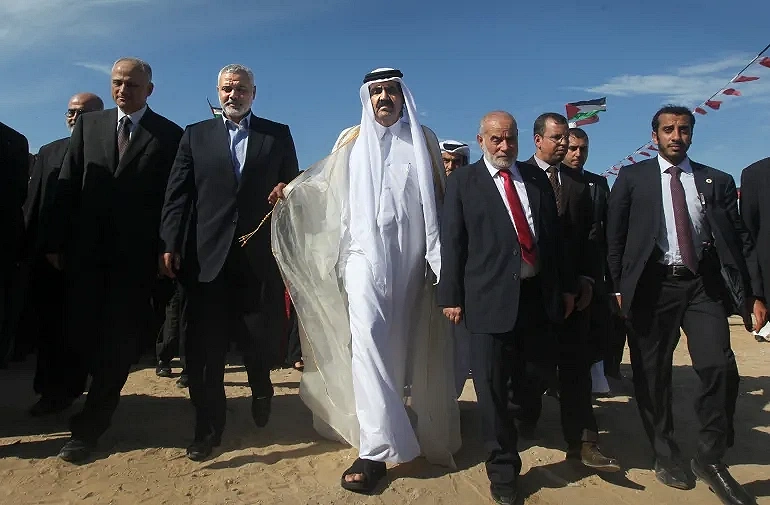
Palestine's struggle for statehood remained closest to Sheikh Hamad's heart. In October 2012, he became the first head of state in a decade to visit the blockaded Gaza Strip. Defying an international boycott, he brought 90 tons of humanitarian aid to Gaza and pledged $400 million for housing and infrastructure projects.
His passing leaves a profound void not only in Qatar but also across the Middle East and the broader landscape of international politics.
