

NATO Allies Launch $50B ‘Deep Strike’ Missile Project

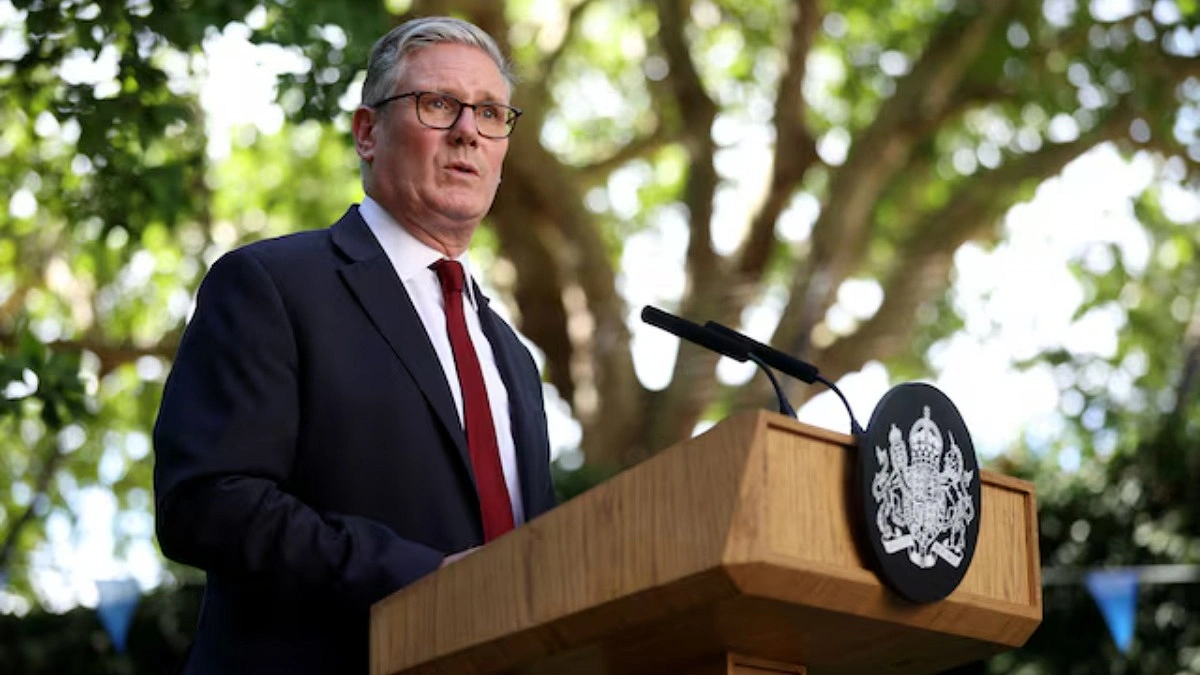
Photo: REUTERS
A coalition of twelve nations, including the United Kingdom, will invest over $50 billion throughout the next decade to develop a cutting-edge long-range missile system aimed at safeguarding Europe.
Number 10 recently unveiled the Deep Precision Strike initiative, which leaders are discussing at the NATO summit in the Turkish capital, Ankara.
Prime Minister Keir Starmer attends the summit, his final as leader, amidst potential scrutiny from US President Donald Trump.
Reports suggest Trump may criticize the UK for not detailing a plan to reach the NATO-agreed 3.5 percent GDP defense spending target by 2035. NATO members pledged last year to hit a higher 5 percent target by 2035.
The new weapon, described as one of NATO’s most sophisticated, targets threats with extreme precision at ranges between 200 and 1,250 miles. Starmer noted the UK-led effort would “help bring European allies together to keep NATO safe for years to come.”
However, the military does not expect the system to be operational until the 2030s.
Foreign Secretary Yvette Cooper emphasized the strategic importance of the project, saying, “With deep precision strike capability, the UK and our allies will be able to hit high value military targets and the logistical engines that drive armies, deterring any aggressor and strengthening our mutual security.”
She added at the Ankara summit, “we are sending a clear message to [Russian] President [Vladimir] Putin; NATO is stronger, more European and ready to defend our citizens against the long-term threat posed by him and the Russian state.”
UK government highlighted increased Russian aggression, noting that NATO aircraft intercepted Russian planes over 700 times, while Russian naval activity near UK waters rose by 30 percent.
Meanwhile, President Volodymyr Zelensky urged allies for immediate air defense systems. Number 10 cited Ukraine’s success, saying, “Ukraine’s Armed Forces have proved that the effective use of long-range systems can have game-changing impacts on the battlefield.”
Kremlin spokesperson Dmitry Peskov remarked that Russia would monitor the Ankara summit but insisted no NATO weapons would halt their operations.
Peskov told reporters, “To our regret, these were not statements about constructive engagement and dialogue but rather statements of a confrontational nature.”
He added that a “settlement of this conflict through political and diplomatic means remains preferable” for Russia.
Source: BBC (adapted)

