
Delhi's Diplomacy Amidst the Flames of Hormuz
What Iran, Saudi Arabia, and the UAE Gained from BRICS
- Iran secured a diplomatic shield, the UAE opened a door for dialogue, and Saudi Arabia gained a new balance of power
- Has the Middle East equation changed following the BRICS summit?

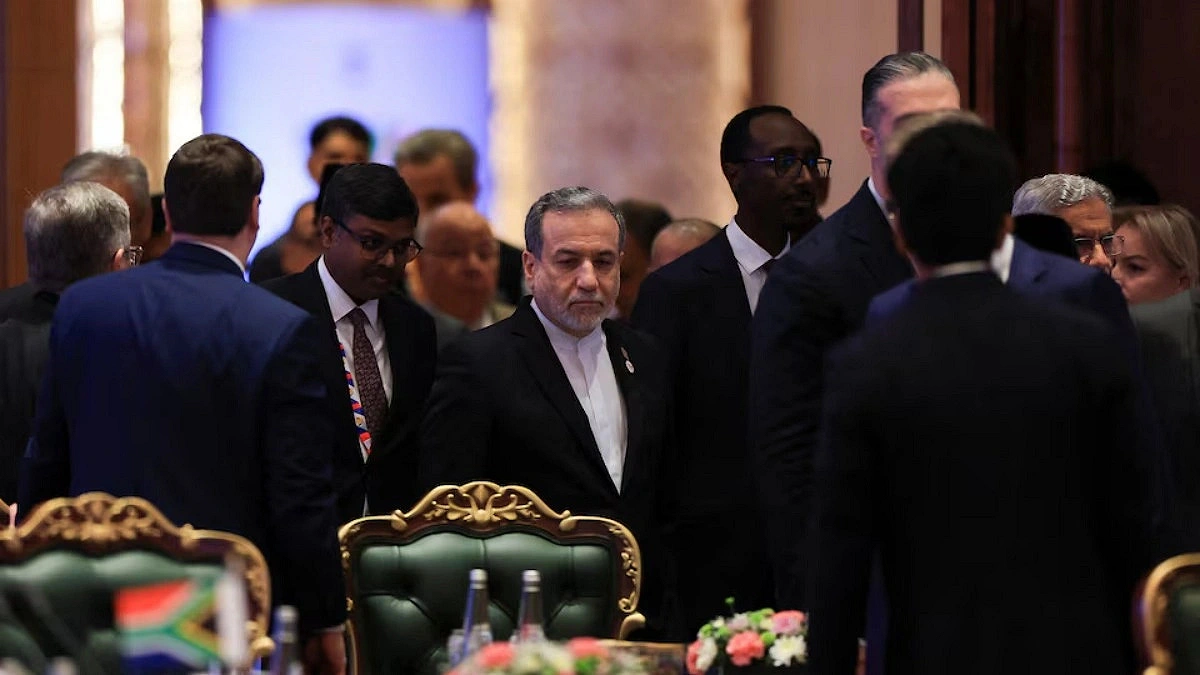
Tehran received expressions of political support at the BRICS summit but did not secure any military or strategic guarantees. Collected photo.
Two days ago, the question was whether Iran, Saudi Arabia, and the United Arab Emirates could speak with one voice while sharing the same stage. Following the conclusion of the 18th BRICS Summit in New Delhi on Sunday, the answer is neither a complete 'yes' nor a full 'no.' Rather, despite the heat of the war, uncertainty surrounding the Strait of Hormuz, attacks on Saudi oil infrastructure, and pressure from the United States, the three parties reached a minimum diplomatic consensus that seemed unlikely prior to the summit.
The 'New Delhi Declaration' adopted on Saturday expressed "deep concern" over the escalation in the Middle East, calling for maximum restraint, dialogue, diplomacy, and the avoidance of actions that could further deteriorate the situation. At the same time, it criticized unilateral sanctions and tariff barriers lacking UN Security Council authorization. This marked a major diplomatic win for Iran. Without directly naming any country, the declaration addressed attacks on peaceful nuclear facilities, the safety of civilian infrastructure, and unilateral sanctions—aligning closely with Tehran's longstanding grievances.
However, Iran did not get everything it sought. BRICS did not issue a severe condemnation naming the US or Israel, nor did it offer a specific framework for ending the war. Consequently, Tehran secured supportive political language, but not military or strategic guarantees. Amid this, President Masoud Pezeshkian met with Prime Minister Narendra Modi to discuss regional peace, freedom of navigation, and the need to secure trade routes. This demonstrated that while India keeps its communication channels open with Iran, it prefers to position itself as a mediation-oriented power rather than a party to the conflict.
The most significant shift occurred in Iran-UAE relations. The meeting between Abu Dhabi Crown Prince Sheikh Khaled bin Mohamed bin Zayed Al Nahyan and President Pezeshkian marked the highest-level engagement between the two nations since the outbreak of the conflict. They discussed de-escalation, regional stability, and enhancing opportunities for peace and development. The Iranian side later indicated a positive mutual willingness to move past previous disputes. For the UAE, this represents a major gain: maintaining a direct channel to protect its security and commercial interests without severing ties with Iran.
Saudi Arabia's approach remains somewhat distinct. Riyadh is not yet a full BRICS member; Foreign Minister Prince Faisal bin Farhan represented Crown Prince and Prime Minister Mohammed bin Salman as an invited attendee. Nevertheless, the messaging from Delhi carries weight for Saudi Arabia. Amid drone strikes originating from Iraq that disrupted the vital East-West oil pipeline and renewed Houthi attacks, Riyadh’s primary interests center on regional stability, energy security, and maintaining alternative export routes. The summit's call for restraint and secure trade routes directly aligns with those objectives.
Economic avenues opened up for all three nations as well. The declaration emphasized local currency trade, cross-border payment systems, energy cooperation, and the strengthening of supply chains. For sanction-burdened Iran, these alternative financial pathways hold strong political significance. For the UAE, it presents an opportunity to reinforce its position as a global financial and trade hub. For Saudi Arabia, it provides another platform for economic diversification. However, these points represent frameworks for future negotiation rather than immediate binding agreements.
Implications for Energy-Importing Nations and the Broader Geopolitical Landscape
This diplomatic understanding also carries significant weight for energy-importing nations like Bangladesh. Mitigated tensions in the Strait of Hormuz or the Red Sea could alleviate pressures on oil prices, LNG costs, freight rates, and overall import expenditures. Conversely, if conflict escalates, Delhi's diplomatic phrasing will face a real-world test within the coming weeks.
China and Russia also stand to gain from this consensus. Xi Jinping highlighted expanding economic and financial cooperation within a "Greater BRICS," while Vladimir Putin framed it as a driving force toward a fairer multipolar world order. However, Delhi’s single greatest success was getting countries with opposing interests to sign a unified declaration—overcoming the gridlock from last May's BRICS Foreign Ministers' meeting, which failed to issue a joint statement.
Yet, caution is warranted before celebrating. The Iran-UAE meeting has not halted the war, nor has it eliminated the trust deficit between Saudi Arabia and Iran. The Strait of Hormuz remains vulnerable, oil markets stay volatile, and strikes in the Gulf persist. BRICS did not deliver a peace treaty; it provided a platform for dialogue.
As the Delhi summit concluded, the takeaways differed for each actor: Iran secured anti-sanction diplomatic language, the UAE opened a direct communication channel with Tehran, and Saudi Arabia gained an avenue to bring its security and energy concerns into a broader multilateral discussion. Unity was on display in official photos, but underlying divides remain. Nevertheless, when rivals can sit at the same table and find a common vocabulary during times of war, that itself stands as BRICS's greatest achievement for now.
Author: Media professional and international relations analyst
