
Khamenei Lives On, His Ideals Remain Forever

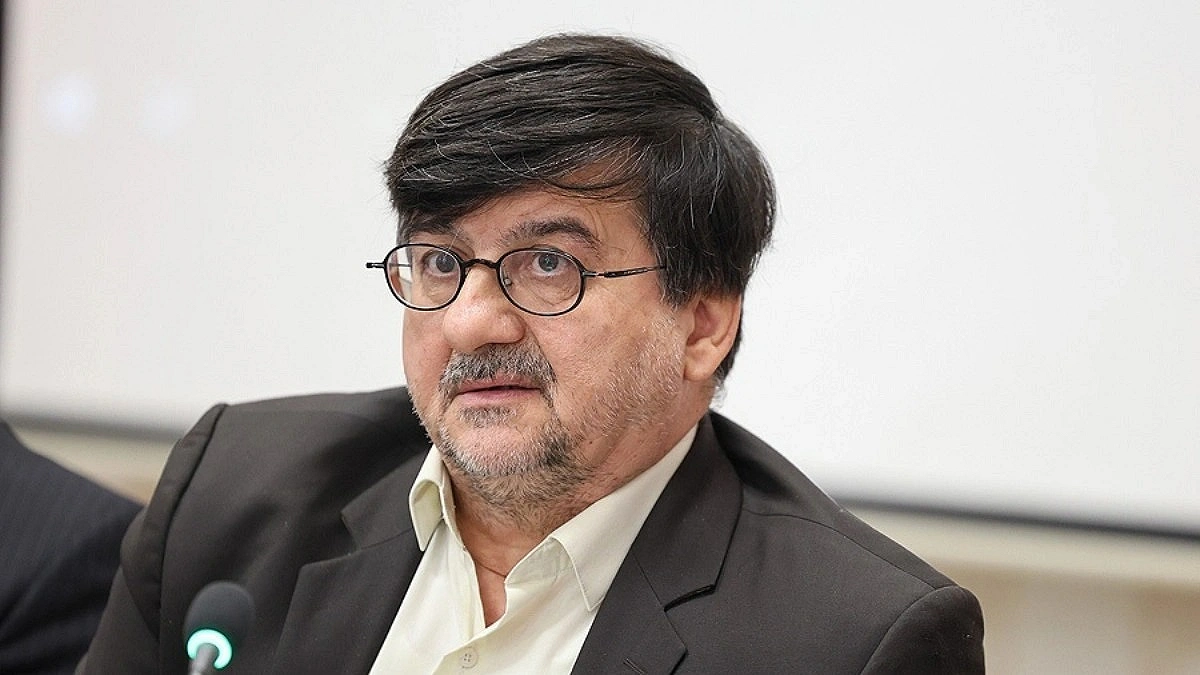
Seyed Abdul Hamid Ahmadi, President of the Sports Journalists Association of Iran.
Months after his death, public sentiment surrounding Iran's Supreme Leader Ayatollah Ali Khamenei remains strong. Millions attended memorial and farewell ceremonies held across the country. From the capital, Tehran, to Qom and Mashhad, scenes of mourning, tribute, and vast crowds unfolded. Many mourners carried red flags, widely recognized as symbols of resistance and retribution.
According to observers, the mass gatherings were not merely a tribute to a national leader. They also served as a symbolic expression of public anger and unity against the United States, President Donald Trump, and Israel. In their view, Khamenei lives on, and so do the ideals he championed.
Iran maintains that the killing of Khamenei and members of his family was intended to weaken the country, sow division among its people, and destabilize the Islamic Republic. However, Iranian officials and supporters argue that the plan failed. Instead, they say, the war and destruction strengthened national unity and reinforced the country's defense capabilities.
Supporters of Khamenei say the massive turnout conveyed two key messages. First, they describe it as a tribute to a leader who guided Iran for 37 years. They argue that despite intense international pressure, sanctions, and repeated crises, Khamenei refused to surrender and instead led the country toward independence, progress, and self-reliance.
They also believe Khamenei inspired not only the Iranian people but also young Muslims across the Islamic world with a spirit of confidence and resistance. According to them, his leadership demonstrated that faith in God, public solidarity, and self-reliance could enable a nation to confront any global power. They argue that Iran's strength is rooted in its thousands of years of history, rich culture, religious faith, and the ideals of the Islamic Revolution—foundations that cannot be destroyed by war, bombs, or missiles.
Many Iranians also contend that although the recent conflict caused heavy casualties and widespread destruction, the country did not surrender. Instead, they say, the nation united behind the state, much as it did during the Iran-Iraq War.
Supporters say the second message was directed at Iran's adversaries, particularly the United States and Israel. They argue those countries should correct what they describe as their mistaken understanding of Iran, its people, its political system, and its strength. They maintain that Iran's power is deeply rooted in its ancient civilization, the beliefs of its people, and the principles of the Islamic Revolution—roots that military force, bombs, and missiles cannot destroy.
They further argue that although the recent 12-day and 40-day wars, which they say were imposed by the United States and Israel, caused loss of life and significant economic damage, they failed to force Iran into surrender. They compare the conflicts to the eight-year Iran-Iraq War, during which, they say, Iranians defended their country with determination and ultimately compelled the aggressor to retreat.
In conclusion, the author portrays the late Imam Khamenei as a religious, revolutionary, and inspirational leader who was admired by revolutionary youth during the Islamic Revolution. He describes Khamenei as an exceptional Friday prayer leader in Tehran, a close companion of young Iranian fighters while serving as Imam Khomeini's representative on Iran's Supreme Defense Council during the Iran-Iraq War, and an outstanding statesman during his presidency.
The author argues that during his 37 years as Iran's supreme leader, Khamenei skillfully steered the country's political system and the Islamic Revolution through turbulent times. He credits Khamenei with guiding Iran through numerous external challenges with vigilance, precision, and wisdom, while advancing the country's scientific, social, political, and defense capabilities to the point where, he writes, Iran is now recognized as a major global power whose full potential has yet to be revealed.
Farewell, dear Khamenei.
Author: President, Sports Journalists Association of Iran
