
New Committee Formed for July Memory Museum

Collected Photo
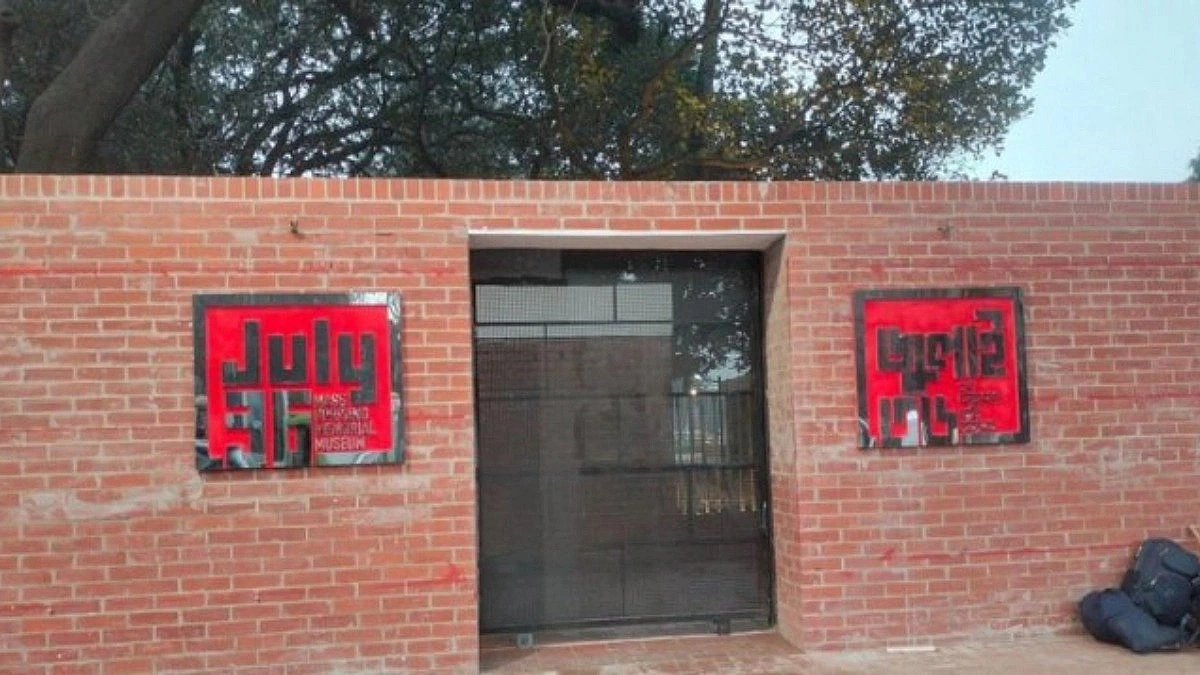
The government has formed a new 15-member board to oversee the ‘July Mass Uprising Memory Museum,’ which is awaiting its inauguration on Aug. 5. The Ministry of Cultural Affairs issued a gazette notification in this regard on Thursday. The board has been reconstituted in accordance with the ‘July Mass Uprising Memory Museum Act, 2026.’
Cultural Affairs Adviser Nitai Roy Chowdhury has been appointed chairman of the new board. By virtue of office, the museum’s director general will serve as the member secretary.
By virtue of office, the board’s members also include the director general of the Department of Archives and Libraries, the director general of the Bangladesh National Museum, the additional secretary (Development and Planning) of the Ministry of Cultural Affairs, and a representative of at least the rank of joint secretary from the Finance Division.
Under the education and research category, the appointed members are Prof. Dr. Shamima Sultana of the Department of Bangla at Jahangirnagar University, Prof. Dr. Md. Azharul Islam Sheikh, dean of the Faculty of Fine Arts at the University of Dhaka, and researcher Dr. Zahed Ur Rahman.
Moshfikur Rahman Johan will serve as the curator of the board. Mir Mahbubur Rahman Snigdho has been appointed as a member representing the families of those martyred in the July movement. Masud Rana has been included as a representative of participants in the movement.
In addition, Barrister Md. Abrar Elias, Abu Sayeed Chowdhury Himu and Sanjida Islam Tuli have been included on the board as representatives of families of victims of enforced disappearance.
The museum, built to preserve the memories of the July Mass Uprising, will be formally inaugurated on Aug. 5. It will then be opened to the public.
The museum will preserve and display various photographs, videos, documents, archived newspaper reports and different materials used during the July movement. Personal memorabilia, clothing, banners and placards used by the martyrs and injured individuals will also be displayed.
Through multimedia and digital displays, the museum will present the chronological history of the movement, significant developments and the experiences of eyewitnesses. An information-rich archive will also be maintained for researchers and general visitors.
