Deforestation Hits a 40-Year Low: A Turning Point for Brazil’s Most Threatened Forest

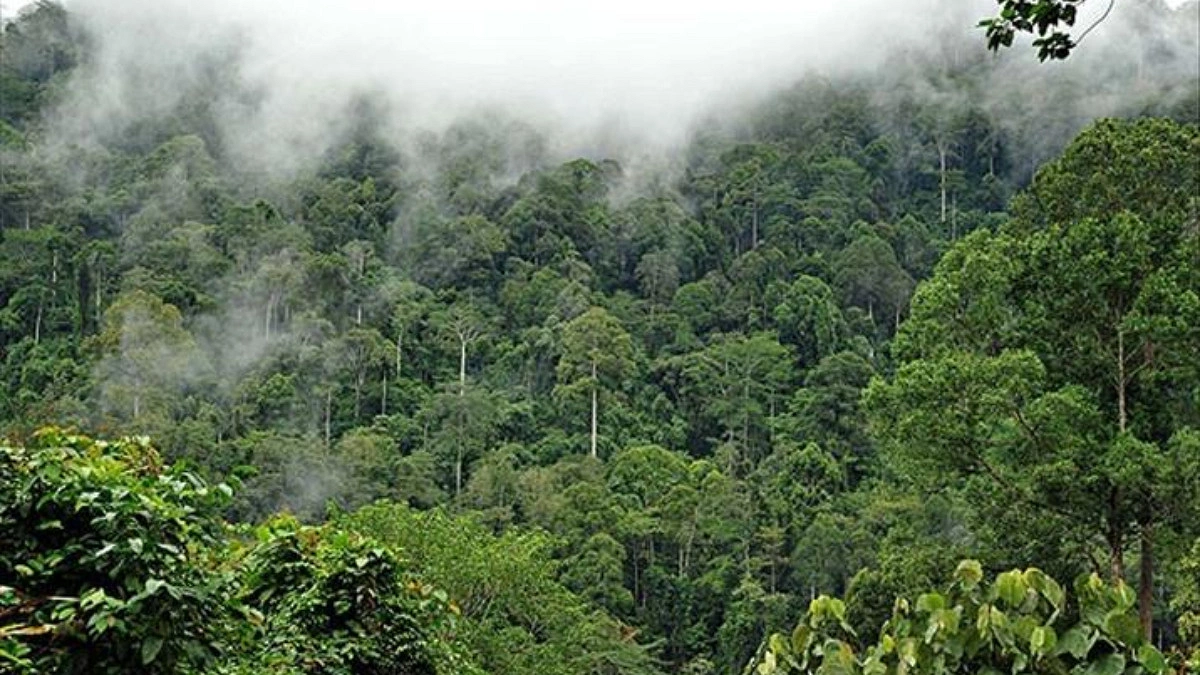
Collected Photo
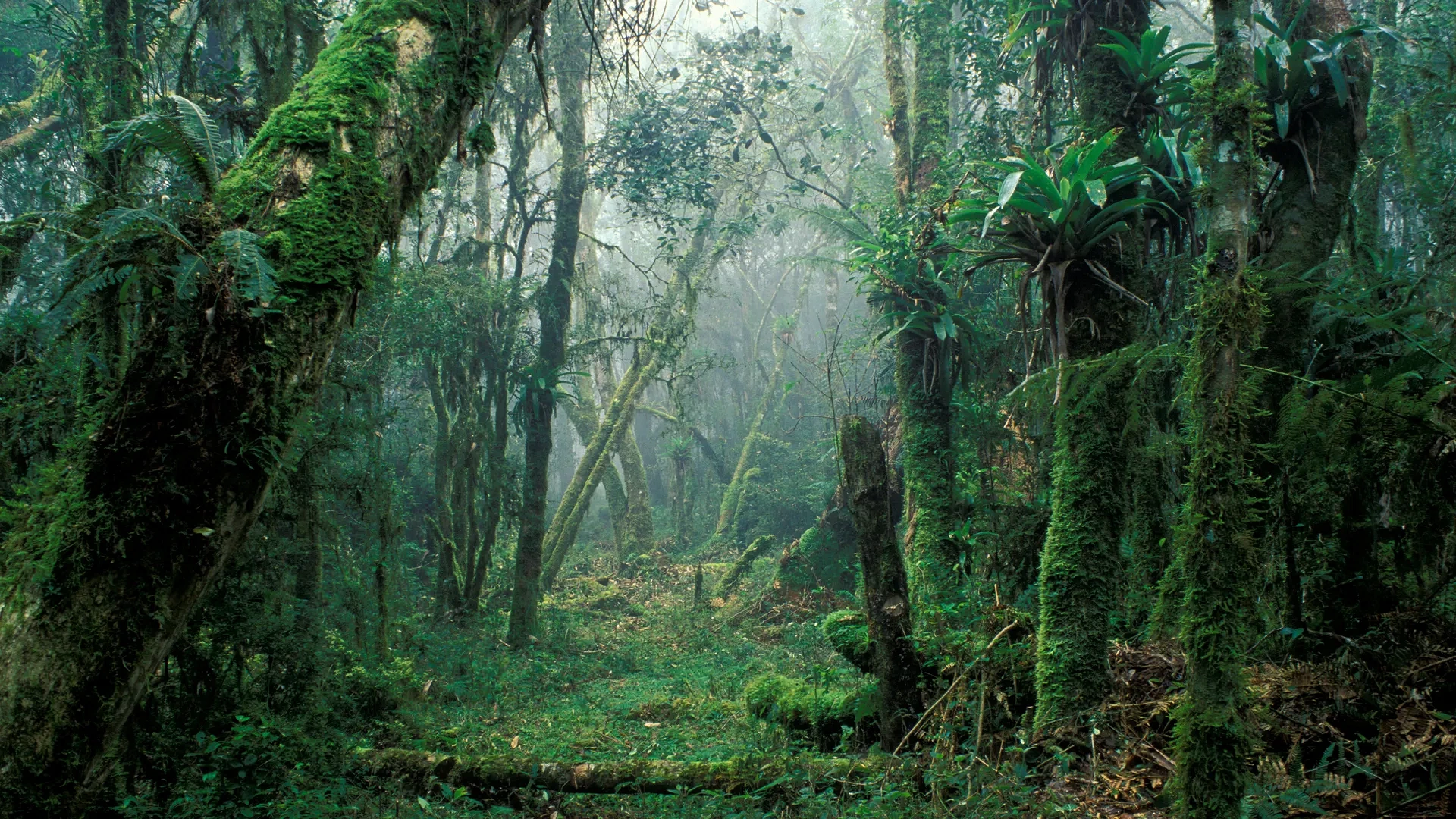
Deep in the shadows of Brazil’s Atlantic Forest—a realm of towering trees and endangered monkeys—there is finally a reason to celebrate. Yet, just beyond the canopy, storm clouds are gathering.
Last year, this lush biome, the most densely populated and threatened in Brazil, recorded its lowest level of deforestation since scientific monitoring began four decades ago. According to a new report released Thursday, the forest lost just 8,658 hectares in 2025. It is the first time the annual loss has fallen below the 10,000-hectare threshold since 1985.
For a forest that serves as the backyard to 80% of Brazil’s population—including the megacities of Rio de Janeiro and São Paulo—this is a landmark victory.
Environmentalists, who have long fought to protect the remaining fragments of this once-vast woodland, are cautiously optimistic. “We are seeing the real possibility of zero deforestation within a few years,” said Luís Fernando Guedes Pinto, executive director of the NGO SOS Mata Atlântica.
But that dream hangs by a thread.
The ‘Devastation Bill’ and the Ghost of the Past
Two dark omens loom over this green victory.
The first is legislative. Brazil’s congress recently approved a controversial piece of legislation—dubbed the “devastation bill” by opponents—which radically weakens existing environmental laws. If enforced, it could erase years of progress overnight.
The second is political. As the October presidential election approaches, the prospect of a return to far-right rule threatens to unravel the downward trend in deforestation. Senator Flávio Bolsonaro, the son of former president Jair Bolsonaro, is currently tied in the polls with the incumbent, Luiz Inácio Lula da Silva, who is seeking re-election.
For those on the front lines of conservation, the memory of the elder Bolsonaro’s tenure (2019–2023) is still raw. His administration ushered in a historic surge in rainforest clearing, opened a gold rush into protected Indigenous lands, and gutted environmental agencies. Flávio has vowed to follow his father’s playbook.
“It’s a very worrying scenario,” Pinto warned. If Bolsonaro wins, he added, “Brazil could lose the opportunity to be a global environmental leader. There is a real risk of returning to a path of rising deforestation across all biomes. His political group is anti-science, denies climate science, and sees nature as obstacles to development.”
The Numbers Behind the Hope
The data released Thursday comes from two long-term monitoring partnerships between SOS Mata Atlântica and other scientific organizations.
The first dataset, tracking four decades of history, showed a dramatic 40% drop in deforestation from 2024 to 2025—falling from 14,366 to 8,658 hectares. To put that in perspective, during Jair Bolsonaro’s final two years in office, annual deforestation regularly exceeded 20,000 hectares.
The second, more recent dataset (which has only been running since 2022) recorded a 28% decline, from 53,303 hectares to 38,385 hectares—the lowest figure since that specific monitoring began.
For now, the numbers tell a story of recovery. But whether the Atlantic Forest continues to breathe or falls back under the ax depends entirely on the choice Brazilians make this October.
According to the NGO, the discrepancy between the two monitoring systems comes down to the satellites used: the newer system offers greater precision, while the older one provides a longer, uninterrupted historical record.
Despite the encouraging decline, Pinto cautioned that "deforestation is still high" in the biome. "In the Atlantic forest, every fragment lost makes a huge difference," he said.
Though the Atlantic forest is Brazil's third-largest biome—trailing only the Amazon and the Cerrado savanna—it is by far the most urbanized and the most degraded. Today, only 24% of its original forest cover remains. By comparison, the Amazon still retains about 80% of its cover, and the Cerrado roughly 50%.
Even so, if the downward trend of recent years continues, Pinto believes the biome could reach "zero deforestation" within the next three years. The NGO attributes this progress to a combination of public pressure, civil society mobilization, strong environmental policies, and active enforcement.
But standing firmly in the way is a newly passed law widely regarded as the most severe blow to Brazil's environmental legislation since licensing first became a legal requirement in the 1980s.
President Lula vetoed portions of the bill, but his vetoes were overturned by the largely conservative congress at the end of 2025.
The new law removes the requirement for prior approval from the federal environmental agency before states can authorize deforestation, effectively leaving the decision entirely in the hands of local authorities. Its constitutionality is now being challenged in the supreme court.
Malu Ribeiro, director of public policy at SOS Mata Atlântica, called the law a "distortion" that puts Brazil at odds with the Paris agreement and could worsen climate disasters. "Weakening protection instruments now risks everything we have spent years building," she warned. (Source: The Guardian)