

Habiganj Floods Wipe Out Crops, Fish Farms, Livestock

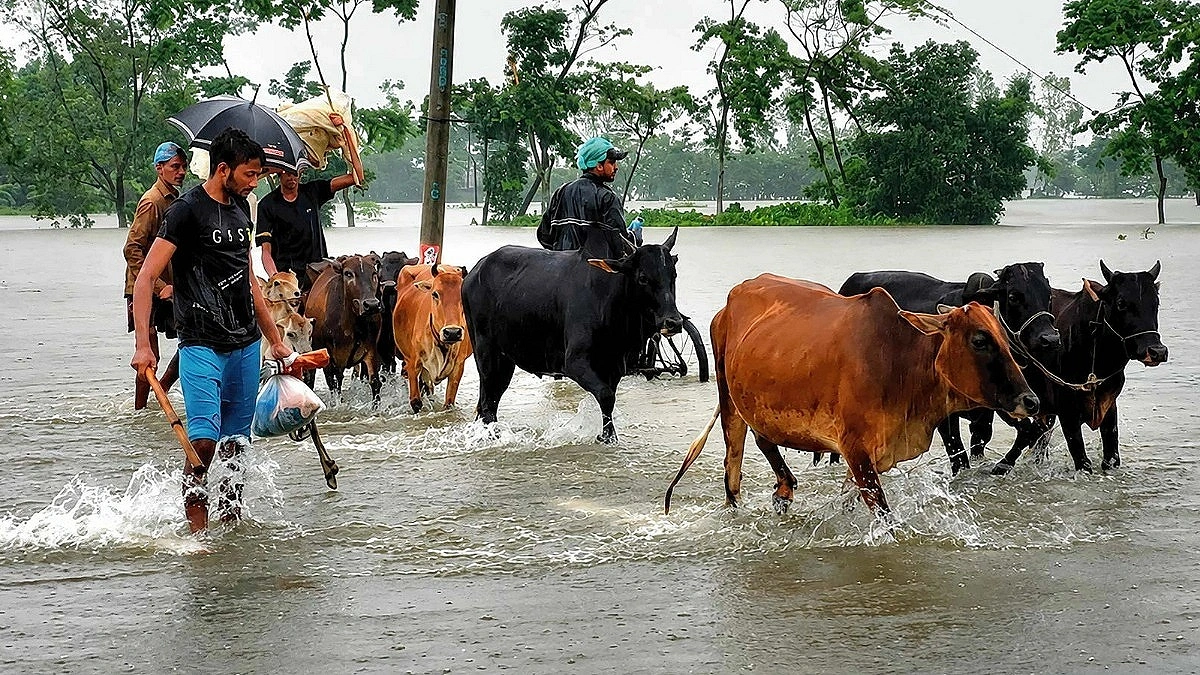
Photo: Agamir Somoy
Recent floods have displaced more than 6,000 families and agriculture, fisheries, and livestock sectors have faced a major setback in Habiganj Sadar Upazila.
According to District Administration data, 30,140 people from 6,645 families across nine upazilas have been affected by the flood. For those affected, 2,682 packets of dry food, 30 metric tons of rice, and an allocation of Tk 2 lakh have been provided. Necessary boat arrangements have been made to conduct rescue operations.
Preliminary estimates from the Department of Agricultural Extension, Fisheries, and Livestock indicate losses exceeding Tk 100 crore. Officials believe the extent of the damage may increase once the floodwaters fully recede.
According to the Department of Agricultural Extension, out of 41,020 hectares of cultivated Aush rice across nine upazilas, 1,259 hectares have been damaged. Additionally, 233 hectares of summer vegetables out of 650 hectares, and 150 hectares of Amon seedbeds out of 685 hectares, have been completely submerged.
In total, 1,642 hectares of arable land out of 42,355 hectares have been affected, resulting in a loss of Tk 5.52 crore for around 1,200 farmers.
According to the Department of Fisheries, continuous rain and mountain runoff have flooded at least 1,100 fish farms and private ponds in Habiganj Sadar, Bahubal, and Madhabpur upazilas. The loss due to fish being washed away is around Tk 95 crore.
Last fiscal year, the district produced about 35,000 tons of fish from open water bodies and 23,000 tons from private farms. The same target has been set for the current fiscal year. However, District Fisheries Officer Shariful Alam told Agamir Somoy that production is expected to decrease due to the damage to over a thousand private farms.
The flood has also impacted animal protein production. According to the Department of Livestock, while the district typically produces an average of 400 tons of milk and 1o lakh eggs daily, flood conditions have reduced daily milk production by 25 tons and egg production by 90,000 pieces.
Meanwhile, around 2,25,000 metric tons of livestock feed or straw have been destroyed, causing a loss of about Tk 10 crore. Preliminary estimates suggest an additional Tk 2 crore loss due to the disruption in milk and egg production.
District Livestock Officer Nurul Islam told Agamir Somoy, “Animal protein production is one of the sectors most affected by the flood. In other years, eggs, milk, and meat are supplied outside the district after meeting local demand. However, it will take time to recover from the flood damage this time. As a result, far from having excess production, it may even be difficult to meet the district’s own demand.”

