


One City Two Towns plan may cost 24,000 farmers their livelihoods

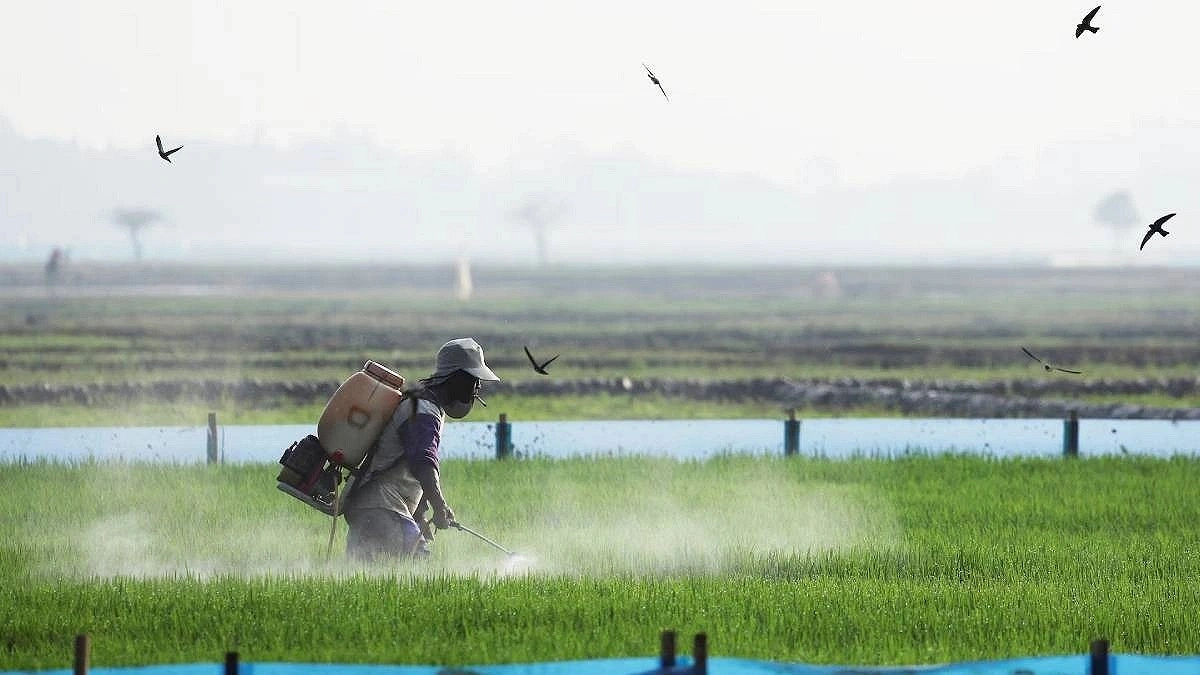
Photo: Reuters
Chattogram Development Authority (CDA) wants to develop a modern industrial and residential hub in Anwara centered around the Karnaphuli Tunnel. The plan, titled “One City Two Towns,” outlines the use of 7,315 acres of land.
However, if the plan is implemented, 1,782 acres of agricultural land could disappear. This is about 42 percent of Anwara’s existing agricultural land. Local farmers are at the greatest risk from the plan.
According to agricultural census data, 99 percent of Anwara’s 23,967 farming households are small farmers. Their number stands at 23,776. If the master plan is implemented, this large number of small farmers could lose their only source of livelihood.
Currently, 24,833 people in the upazila are directly involved in farming. The loss of agricultural land will force this large workforce to change professions, affecting the local economy.
A review of the draft Anwara Action Area Plan (2025 to 2050) prepared by the CDA shows that Bairag Union will face the greatest pressure from the reduction of agricultural land. The union currently has 494 acres of agricultural land. About 98 percent of it has been proposed for industrial and general urban use. As a result, the amount of cultivated land would fall to just nine acres.
In addition, the plan proposes reducing agricultural land by 546 acres in Chatari Union and 348 acres in Barkhain Union.
Anwara is one of Chattogram’s major agricultural hubs. Rice, vegetables, pulses and cash crops are cultivated there. At present, Aman rice is grown on 11,196 acres and Boro rice on 9,064 acres in the upazila. A reduction in agricultural land is expected to have a major impact on this production.
Alongside farmers’ livelihoods, Anwara’s agriculture dependent local economy will also be affected. The loss of agricultural land could force thousands of people directly involved in farming to change professions.
However, the plan also mentions creating employment opportunities through large scale industrialization. Anwara’s population is projected to exceed 724,000 by 2050.
Under the new plan, 774.4 acres of land have been allocated for the Chinese Economic and Industrial Zone, while another 550 acres have been allocated for the industrial sector. The CDA expects these industrial areas to create employment opportunities for about 190,000 people.
Experts, however, have expressed concern about the loss of agricultural land. Anwara Upazila Agriculture Officer Shamim Ahmad Sarker said most of the agricultural land in the upazila produces three crops a year. Vegetables are also widely cultivated alongside rice. He said agricultural land would decline further if the new town is developed.
Professor Dr. Alok Pal of the Department of Geography and Environment at the University of Chittagong has also expressed concern about building a town on land that produces three crops a year. In his view, stakeholder opinions and expert advice should be sought before implementing the plan. Otherwise, both the environment and food security could be affected.

