
45 Irregularities in a Single Project Cause Tk 600M Loss

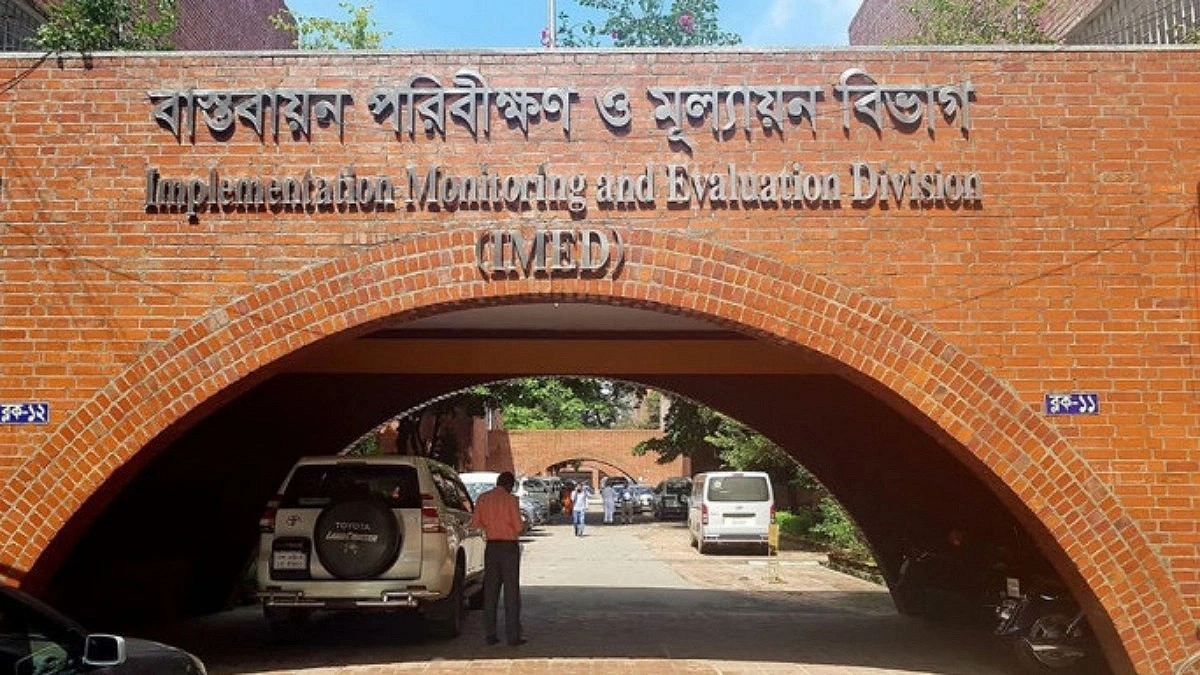
File Photo
A project aimed at improving water supply and sanitation systems in municipalities across the country has been found to contain 45 types of irregularities and corruption, resulting in an estimated loss of around Tk 600 million. The findings appear in a draft of an intensive monitoring report by the Implementation Monitoring and Evaluation Division (IMED).
According to IMED sources, the water supply and sanitation project covered 30 municipalities with a total estimated cost of Tk 17.51 billion. Of this, Tk 795 million came from government funds, while Tk 16.72 billion was financed through foreign loans. A second revision later reduced the project cost by Tk 1.54 billion, setting the revised estimate at Tk 15.96 billion.
The original project timeline ran from July 2019 to December 2023. Authorities later extended it to June 2026. Although the extended deadline ends this month, the project has achieved 83 percent financial progress and 95 percent physical progress.
The project includes key components such as establishing piped water supply systems in selected municipalities, setting up solid waste treatment plants, improving drainage systems, constructing public toilets, and procuring garbage and vacuum trucks.
A recent external audit identified 45 types of irregularities in project implementation. These include awarding contracts to non-responsive bidders, overpayment to contractors, spending beyond approved designs, violations of government regulations, re-tendering at higher prices after reducing work scope, collusion in awarding consultancy contracts, and alleged misappropriation of millions from residential engineer fees.
The IMED report states that contracts worth Tk 1.883 billion were awarded to non-responsive contractors. It also notes that contractors were overpaid Tk 743,000 for items outside approved BOQ drawings, designs, and specifications. In addition, Tk 302,000 was overpaid due to calculation errors, while Tk 5.367 million was spent beyond the design for transmission pipelines.
Furthermore, Tk 8.24 million was paid to key experts without approval from an inter-ministerial committee for replacement. In violation of the Public Procurement Rules (PPR 2008), Tk 1.163 million in security deposits was not deducted from contractors’ bills.
The report also says contractors were paid Tk 150 million for land filling without prior measurement. It further notes that Tk 131 million was paid for earth filling without approved design and despite being a non-tender item. Even after bank guarantees for advance payments expired, Tk 160 million was not adjusted or recovered. Additionally, Tk 24.26 million in government losses occurred through “sand compaction piles” installed without soil test recommendations.
Other losses include Tk 47.51 million in unnecessary detention and port charges (warehouse rent), Tk 54.88 million lost due to non-establishment of DPHE circle offices, and Tk 17.76 million lost through the purchase of overpriced IT equipment.
Additional irregularities include payment against a “project completion report” before the project ended, awarding consultancy contracts worth Tk 52.8 million through collusion, misappropriation of Tk 630 million through underreported residential engineer fees, and excess payments of Tk 166.88 million beyond BOQ quantities.
Former IMED Secretary Abul Mansur Md. Fayez Ullah told Agamir Somoy that the issues identified in the audit clearly constitute irregularities. “If they were not irregular, there would have been no objections. Even if these objections are resolved, they should still be properly examined. The relevant ministries must ensure that IMED’s recommendations are taken seriously,” he said.
