


Meta to pay $18b over child addiction claims

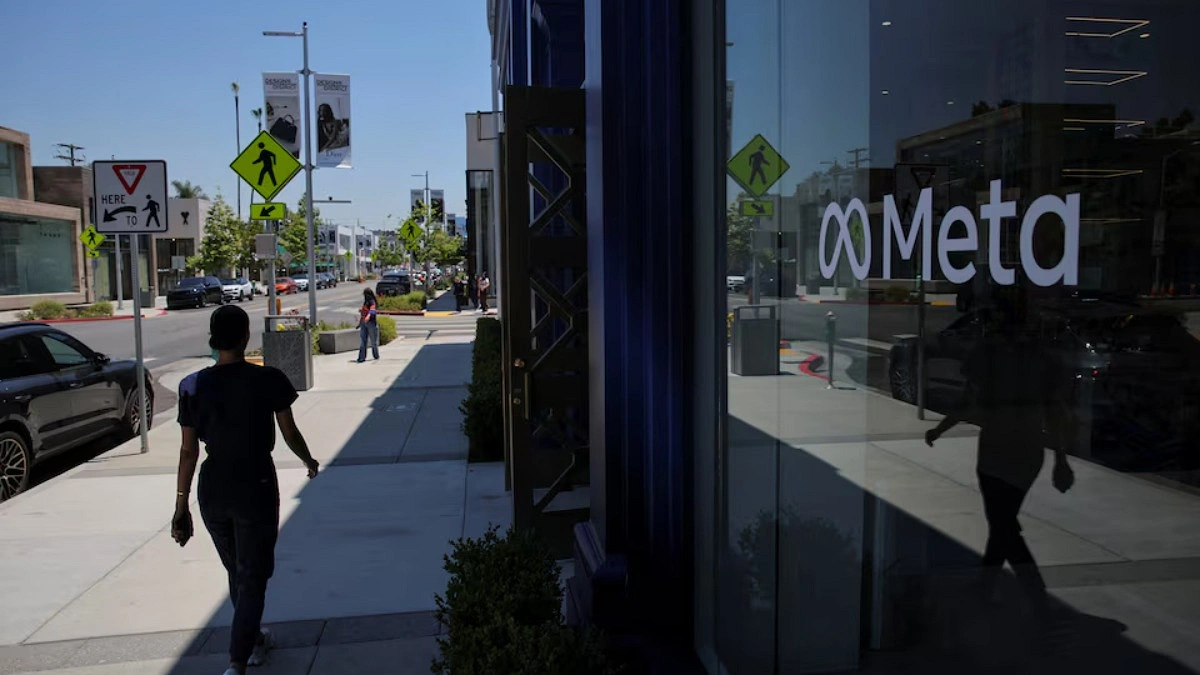
Photo: REUTERS
Meta Platforms has agreed to pay up to $18 billion over the next ten years to resolve claims from nearly all US states accusing the tech giant of designing Facebook and Instagram to addict children.
Under the massive agreement announced on Wednesday, the company will strictly limit how teenagers use these social media platforms. The settlement concludes a federal trial over allegations that Meta’s products harmed children and that the company misled the public about safety.
While the company will not undergo a fundamental overhaul, the accords represent a sweeping effort to define how it serves young users.
This resolution could provide a template for thousands of other lawsuits against social media companies at a time when global governments are trying to curb children’s access to harmful online content, including a ban in Australia on social media for children under 16.
Financial details and platform restrictions
Under the decade-long agreement, Meta will restrict teenagers’ daily use of Facebook and Instagram to two hours and completely block access from midnight to 6 am, unless parents give explicit consent.
The company will also mute most push notifications for teenage users during school hours from 8 am to 3 pm and enhance filters to block children from accessing age-restricted content.
These limits could tighten further if platforms like Snapchat, TikTok, and YouTube adopt similar terms. Meta plans to publish a letter on Thursday in national newspapers to push TikTok and YouTube to improve child protections.
Meta’s spokesperson expressed that the company remains “hopeful” that Snap will implement similar safeguards.
The settlement guarantees $12.7 billion in payments, with $5 billion contingent on whether competitors implement similar protections. Out of the maximum $16.7 billion designated for 47 US states, Washington, DC, Puerto Rico, American Samoa, and the Northern Mariana Islands, California could receive $2.2 billion, and New York could receive $1.1 billion.
Texas reached a separate settlement worth more than $1 billion. Some states will deposit funds into general accounts, while others will earmark portions to address children’s mental health. The total payout represents about three to four months of profit and about one month of revenue for Meta, whose shares rose up to 4.1 percent before closing up 1.1 percent.
Importantly, the settlement does not require Meta to abandon personalized recommendations or targeted advertising. It also fails to address certain problematic content that Meta’s own researchers identified, such as posts making Instagram users uncomfortable with their body image.
In agreeing to settle, Meta denied any wrongdoing. In a blog post, the Menlo Park, California-based company said, “Ensuring teens have a safe and productive experience on our platforms is an absolute imperative for Meta,” and added, “We want to get this right for parents and teens.”
Legal pressures and ongoing battles
US District Judge Yvonne Gonzalez Rogers approved the main settlement late Wednesday, having overseen the trial that began on 18 August. At a hearing, she called the settlement “a good step forward,” and told lawyers for Meta and the states, “I am quite happy to not have to finish up this trial.”
Before the announcement, Instagram head Adam Mosseri had begun testifying, and Meta Chief Executive Mark Zuckerberg was expected to take the stand. People familiar with the matter revealed that Mosseri told state representatives last month that Meta would appeal any lost verdict but would make constructive changes if they could work out a settlement.
Before the trial, Meta noted that California, Colorado, Kentucky, and New Jersey were seeking up to $1.4 trillion in penalties, with expectations to seek close to $200 billion in civil penalties.
These states claimed Meta’s conduct violated state consumer protection laws. 29 states alleged Meta violated the federal Children’s Online Privacy Protection Act by knowingly collecting personal data from children without parental consent to train generative AI.
Meta had long argued that it could not have misled consumers because “social media addiction” was not a recognized psychiatric condition.
The settlements also require Meta to pay $459 million to resolve states’ privacy claims related to the Cambridge Analytica scandal, where a British consulting firm collected the personal data of millions of Facebook users without authorization.
Reflecting on the main deal, Colorado Attorney General Phil Weiser said, “The focus of this case was to protect our kids,” and added, “The relief we are getting in this settlement is very meaningful and well beyond what any court has ordered or is likely to order.”
Legal experts view the restrictions as highly significant.
James Speta, a Northwestern University law professor specializing in telecommunications and internet policy, noted, “This is a big deal.” He continued, “Meta and other companies were facing pressure to change business practices whether or not they lost the lawsuits, from the public and from Congress and state legislatures,” adding, “These restrictions will change the experience on Instagram and Facebook, and they are designed to reduce engagement.”
Defiant states pursue independent trials
Despite the sweeping agreement, social media companies still face thousands of other lawsuits in federal and state courts from individuals, school districts, municipalities, and other government entities claiming they knowingly sought to addict children and caused a mental health crisis involving anxiety, depression, and suicide. Judge Gonzalez Rogers continues to oversee many of these cases.
Some states and international bodies are keeping the pressure on Meta. Earlier this month, a New Mexico judge ordered Meta to pay $567 million and implement youth safety measures, in addition to $375 million a jury ordered Meta to pay in March for misleading users about safety.
In another March case, a Los Angeles jury ordered Meta and Alphabet’s Google to pay $6 million to a 20-year-old woman who became addicted to Instagram and YouTube as a child. Meta and Google have announced they will appeal these verdicts.
European Commission threatened to fine Meta last month unless it changed product features, after finding preliminary breaches of a 2022 European Union regulation governing the removal of harmful content. A spokesperson said the commission remains in dialogue with Meta.
Because New Mexico was not part of Wednesday’s settlements, New Mexico Attorney General Raul Torrez noted that while the resolution missed some state-specific safeguards like protecting children from adult targeting and banning sexualized AI chatbot interactions, it “represents real progress and adds momentum to finish the job of protecting kids online.”
Florida also refused to settle and plans to litigate. Florida Attorney General James Uthmeier said, “The payouts to the states are peanuts compared to the profound harms Meta’s profit-driven addictive features have inflicted on our children,” and warned, “We’ll see them at trial.”
Source: Reuters (adapted)

