


Why are Chinese teenagers turning to drugs?

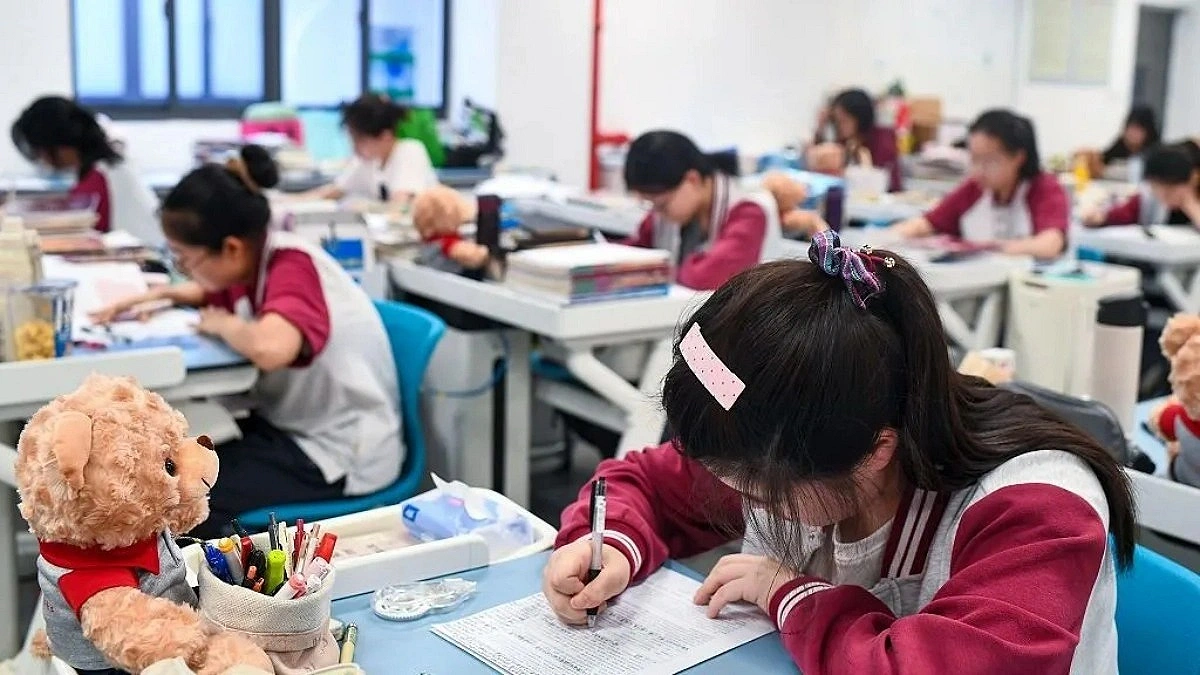
Teenagers in China are buckling under exam pressure and turning to psychoactive medicines
Chinese teenagers are buckling under the pressure of studies and exams. Some are choosing dangerous ways to cope with the stress. They are turning to psychoactive medicines. As these medicines are easily available online, they are within easy reach. Buying and selling is taking place. Advice on how to use them is also spreading online. This is not only causing addiction but also increasing serious health risks.
Doctors and experts have expressed concern over the issue. They say stopping the online sale of medicines alone will not be enough. The causes of teenagers’ mental stress must be identified. Their mental health must also receive special attention.
Xiaomei is a high achieving student from a coastal province in China. She is 14 years old. To escape exam pressure, she began taking excessive amounts of cough medicine on the advice of an older boy.
The medicine she bought is generally not available without a doctor’s prescription. But Xiaomei was able to buy it online. At first, the medicine made her feel somewhat dizzy. Later, because it gave her temporary relief from exam pressure, she gradually became accustomed to it.
Taking excessive amounts of the medicine can cause serious side effects including hallucinations and loss of physical coordination.
Xiaomei then began taking other medicines after receiving advice from people in online chat groups. Some were painkillers while others are used to treat epilepsy.
Sometimes she took five tablets and sometimes more than 10. She took various prescription medicines without medical advice for nearly two years. She bought all the medicines online.
She said, “She would take these medicines whenever she felt excessive pressure from her studies, performed poorly in exams or had an argument with her parents. She did this to escape reality.”
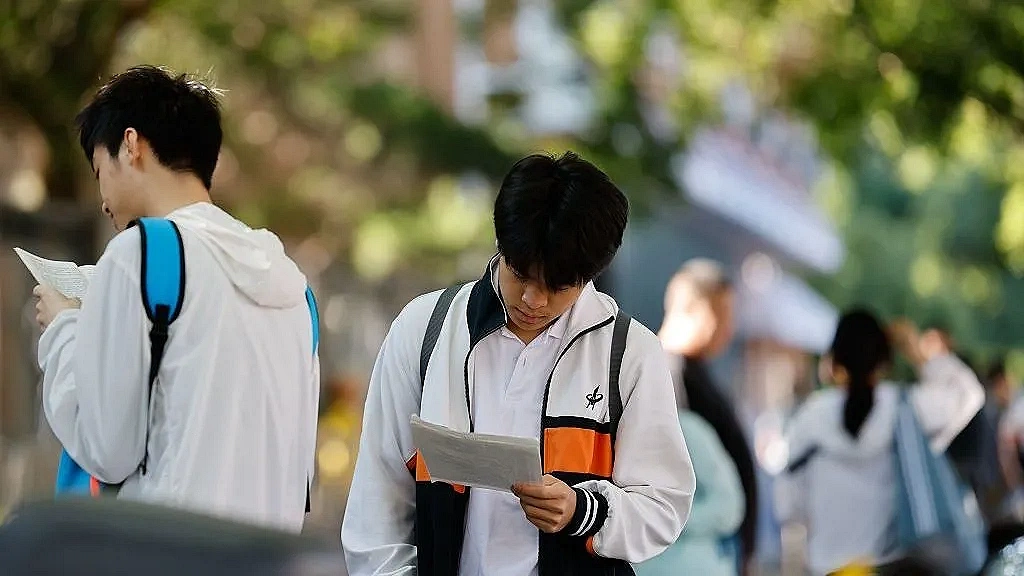
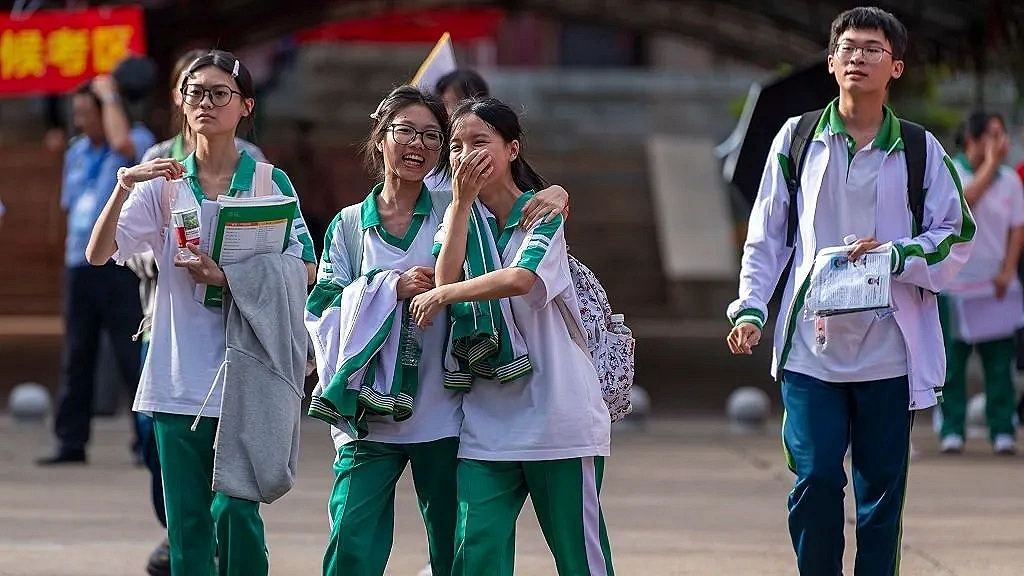
Chinese students spend a large part of their day studying. Experts say this increases their anxiety.
The BBC reported that many other Chinese teenagers have shared similar experiences in social media chat groups. Almost all of them turned to these medicines for the same reason, mental stress. The tendency to experience a drug like high through medicines is being called ‘pharmaceutical high.’
It is difficult to determine the true scale of the problem because official statistics on the issue are very limited. However, as the situation became serious, the Chinese government began collecting data two years ago using the cough medicine taken by Xiaomei. The medicine was classified as a psychotropic drug. After that, its sale without a doctor’s prescription was strictly controlled.
In April this year, after authorities noticed young people turning to another medicine, stricter controls were also imposed on its prescription and sale.
However, even after the controls were introduced, there is a tendency to look for alternatives to these medicines online. A research paper published in 2025 for an institution under China’s Ministry of Justice focusing on crime prevention also said that when one medicine is controlled, young people quickly look for another alternative. In many cases, different names are also used for medicines to avoid detection online.
China’s huge pharmaceutical industry is also a factor behind the easy availability of prescription medicines. Xiaomei said that she was sometimes able to buy medicines from online shopping platforms simply by using a national identification card number. In some cases, sellers supplied the medicines without asking any questions even though they knew the buyers’ ages.
According to government data, the number of newly identified drug users under the age of 35 fell by 41 percent in 2025. At the same time, China’s National Narcotics Control Commission acknowledged that prescription drug abuse is becoming a widespread problem. The trend is particularly increasing among minors.
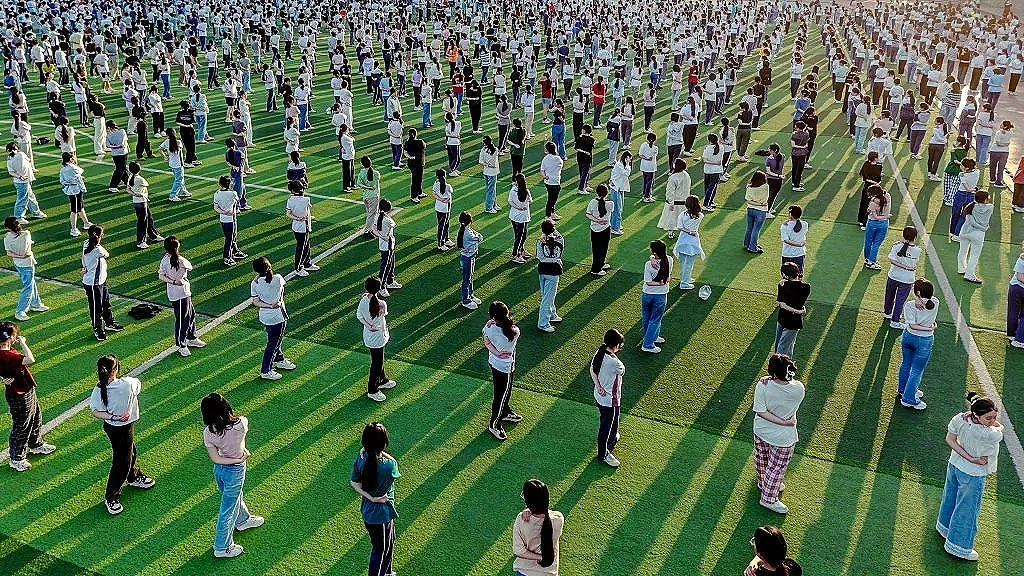
Students practice yoga to reduce stress before the competitive annual college entrance examination.
Xiaomei said many high achieving students in her class discussed ways to take excessive amounts of prescription medicines. There was intense competition among high achieving students at her school. Students faced the possibility of being removed from their classes if they performed poorly. As a result, many students felt like failures and became frustrated about their future.
Chinese sociologist and director of the Max Planck Institute for Social Anthropology Xiang Biao believes a large part of this pressure comes from families. Because of the one child policy that continued for decades, many families placed all their expectations for the future on their only child. Chinese teenagers have to spend long hours at school and have relatively fewer opportunities to build social relationships.
Xiang Biao also sees a link between prescription drug abuse and self harm tendencies. The BBC has also found incidents in which young people encouraged each other in online chat groups to injure themselves.
Ahead of an important entrance examination, Xiaomei began taking another type of medicine to reduce her anxiety. Her memory later deteriorated rapidly. She said she could not remember things clearly and felt as if she was in a daze all the time. At one point, after taking an excessive amount of medicine, her physical condition became so serious that she was forced to tell her parents.Experts say parents who see their children as their only source of support for the future are increasing pressure on them.
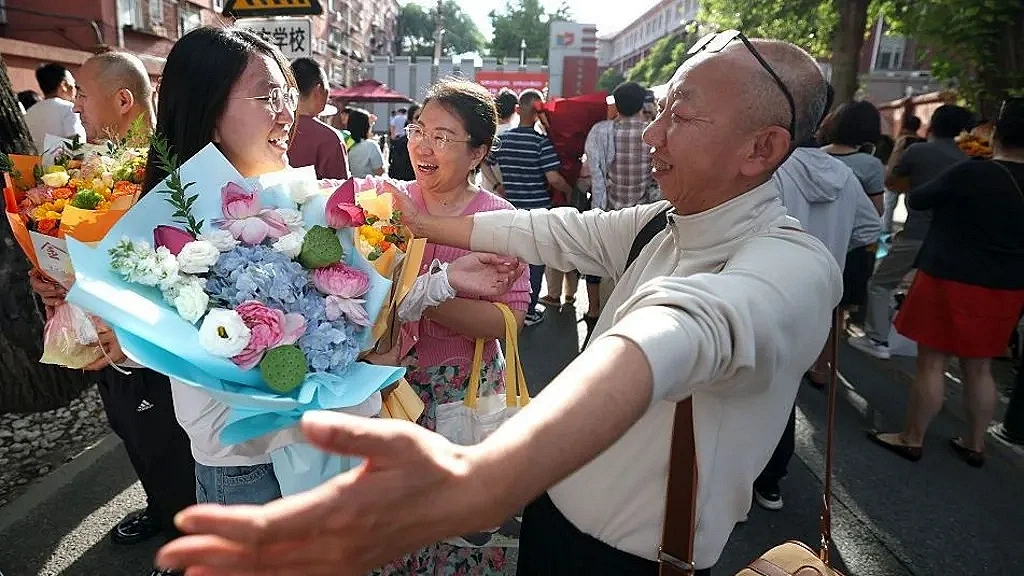
After learning about their daughter’s condition, Xiaomei’s parents stood by her instead of scolding her. Xiaomei said this change in her parents made a major difference for her.
According to Chinese sociologist Xiang Biao, many children do not actually want more attention. They simply want someone to ask them how they are feeling.
Experts say controlling online sales alone will not be enough to prevent prescription drug abuse among teenagers. Greater importance must also be given to addressing the mental health crisis. A study in China’s 2023 Mental Health Blue Book said around 95 million people in the country suffer from depression and more than 30 percent of them are under the age of 18.
The Chinese government has taken initiatives to increase mental health support for teenagers. The plans include counseling rooms in every school, mental health treatment at least at one hospital in every county and the recruitment of more mental health workers. The government aims to establish a nationwide system for mental health support and crisis response by 2030.
According to government data, 92 percent of primary schools and 95 percent of junior secondary schools currently have counselors.Mental health experts say it is extremely important to listen carefully to teenagers and have open discussions with them.
However, the shortage of specialized psychiatrists for treating children and teenagers remains a major problem. A study published in The Lancet in 2020 said China had only 500 qualified child psychiatrists. Many of them work in major cities such as Beijing and Shanghai.
Xiaomei’s family was ultimately able to stand by her. After she was admitted to hospital, her parents began listening to her and talking openly with her. Xiaomei said the feeling that her parents were by her side gave her considerable strength. She even performed well in the entrance examination that had caused her so much anxiety.
But not everyone receives such family support. Twenty-two-year-old Lu Jingchan herself struggled with depression for several years. She went through a difficult period trying to overcome the intoxicating effects of prescription medicines. She had taken excessive amounts of medicine more than four times over four years. She has now stopped abusing all types of prescription medicines and is urging young people on social media to stay away from this path.
Her advice is that instead of numbing yourself with medicines to cope with life’s pressures, you should face your problems.
Source: BBC (Adapted)

