


China warns the US over Iran sanctions
- 'Retaliatory measures if interests are harmed'

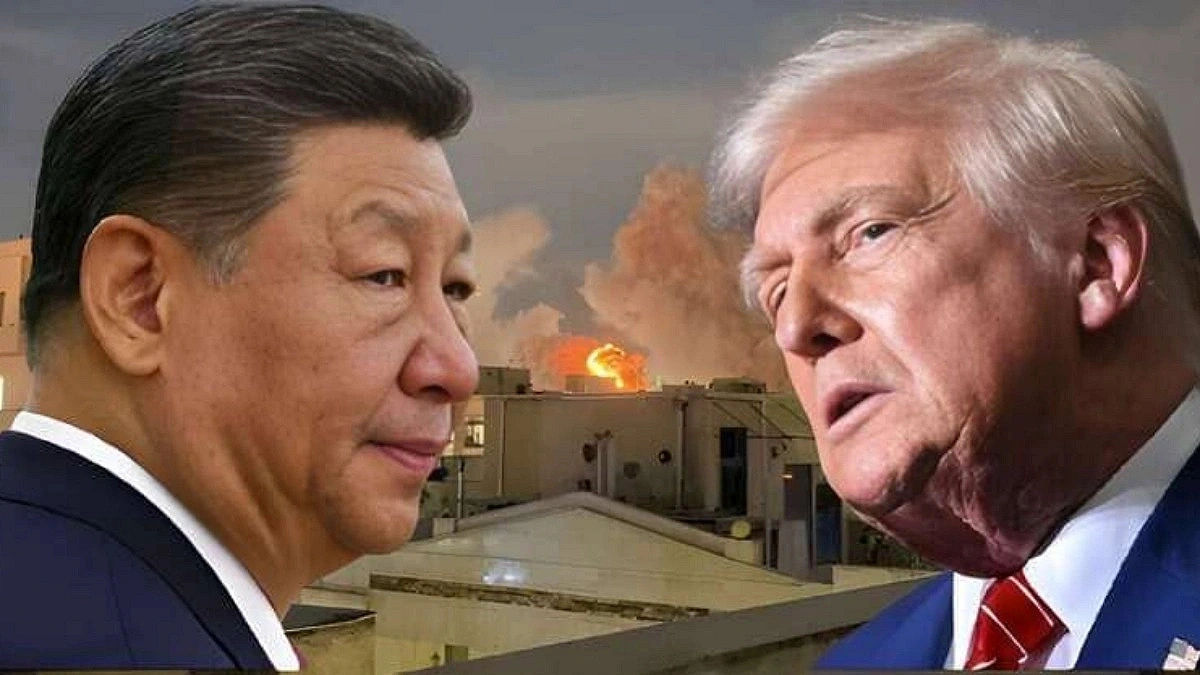
The economic pressure exerted by the United States on Iran and China's counter-stance are now signaling a new diplomatic conflict. Collected image..
The world's two largest economies are now in a face-off over the United States' new sanctions against Iran. On Tuesday, a day after US Treasury Secretary Scott Bessent announced fresh economic pressure on countries and entities trading with Iran, China warned that Beijing would take necessary countermeasures if the legitimate interests of Chinese companies are harmed.
Chinese Foreign Ministry spokesperson Lin Jian, speaking at a regular press briefing Tueday said that unilateral US sanctions would not resolve the issue. Rather, such steps could further escalate regional tensions. He made it clear that China would continue its legitimate economic cooperation with Iran and that pressure from any third country could not obstruct it.
Washington Seeks to Isolate Iran
The new US sanctions are aimed at tightening control over Iran's economic ties. US Treasury Secretary Scott Bessent announced on Monday that measures could also be taken against countries or entities that support Iran's oil sector, financial transactions, or commercial networks.
This Washington policy is referred to as "secondary sanctions"—meaning an attempt not just to target Iran itself but also to bring third-country institutions doing business with Iran under punitive measures.
The US administration claims the goal of this pressure is to reduce Iran's revenue from oil sales and weaken the economic foundation of the country's military and strategic capabilities.
Why Is China a Major Concern?
At the center of these sanctions is China, because Beijing is the largest buyer of Iranian oil. For a long time, even under US sanctions, some Chinese private refineries have continued to purchase Iranian crude oil.
According to analysts, China's role is crucial if Iran's economy is to be placed under full pressure, since a large portion of Tehran's oil exports is tied to the Chinese market.
However, Beijing maintains that its relationship with Iran lies within the framework of international law. Therefore, China has stated that it sees no reason to accept Washington's unilateral sanctions.
"Sanctions Are Not the Solution; Dialogue Is"
China's Foreign Ministry has said that the solution to the Iran crisis should come through political and diplomatic negotiations, not economic pressure.
Lin Jian stated that the policy of sanctions and maximum pressure would further complicate the situation. In his view, the international community should focus on de-escalating tensions.
Washington-Beijing Relations Also Under New Pressure
This dispute over the Iran issue has come to the fore at a time when trade, technology, and strategic competition between the United States and China were already intense.
According to analysts, the Iran sanctions are no longer merely a crisis in the Middle East; they have also become part of the broader struggle for global influence between the United States and China.
Although the US has not yet directly brought major Chinese state-owned financial institutions under sanctions, Washington has indicated that stricter measures could be taken in the future if cooperation with Iran continues.
A Major Test Lies Ahead
The US economic pressure on Iran and China's counter-position now signal a new diplomatic confrontation.
On one hand, Washington wants to cut off Tehran's economic lifelines; on the other, Beijing seeks to protect its own energy interests and preserve its influence in the Middle East.
In its efforts to ramp up pressure on Iran, the United States now faces a new challenge—how far it can push China, and how much new conflict that pressure will generate in the global economy.

