

Japan triples departure tax to curb overtourism

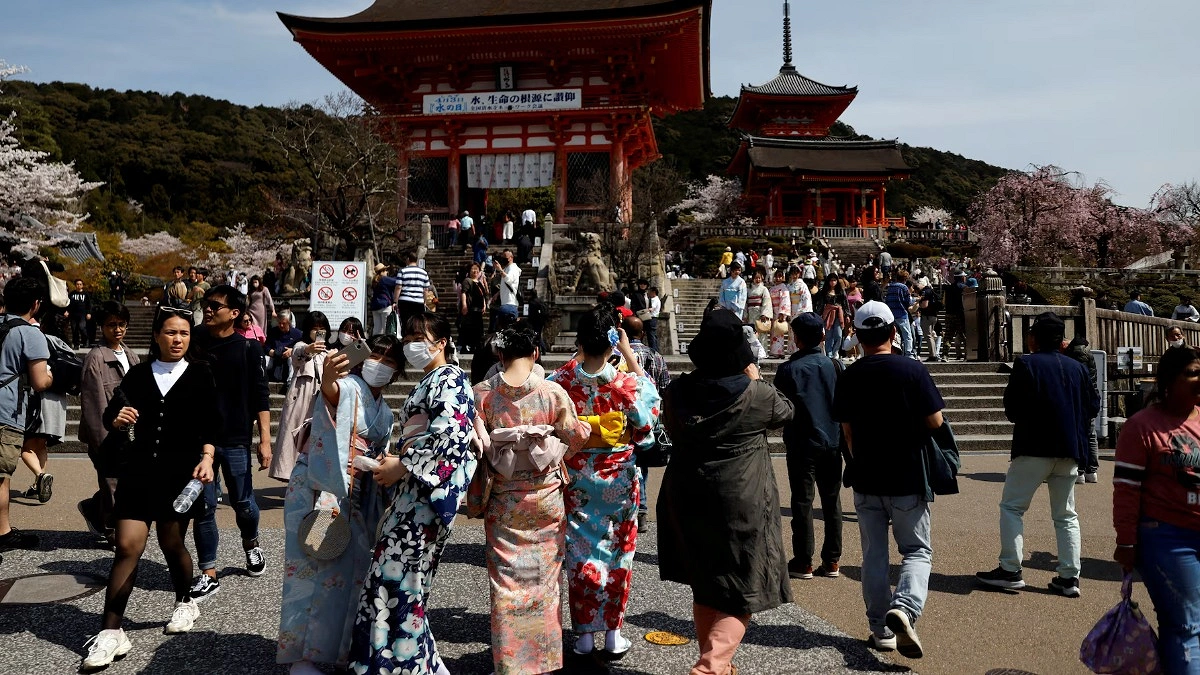
Photo: REUTERS
Japanese government officially tripled its International Tourist Tax on Wednesday, raising the departure fee from ¥ 1,000 to ¥ 3,000 (around $18).
This increase applies to all travelers exiting the country, including Japanese citizens and foreign visitors, and covers departures via air, cruise ships, and other commercial transport.
The government automatically includes the levy in the price of tickets for bookings made from 1 July onward. Authorities expect the hike to boost annual tax revenue from ¥ 50 billion ($308 million) to around ¥ 120 billion ($739 million).
Officials plan to utilize these extra funds to address overtourism challenges and enhance the nation's infrastructure to better accommodate the rising number of visitors.
To balance the financial impact on domestic travelers, the government simultaneously slashed passport application fees starting Wednesday. The cost for a 10-year passport dropped by ¥ 7,000 (about $43). For those applying online, the fee fell from ¥ 15,900 to ¥ 8,900.
In a separate move, Japan increased short-term tourist visa prices fivefold on the same day. Single-entry visas jumped from ¥ 3,000 to ¥ 15,000, while multiple-entry visas rose from ¥ 6,000 to ¥ 30,000.
While travelers from 74 regions, including the United States and South Korea, remain exempt from these visa requirements, citizens of countries like China, the Philippines, and Vietnam must still obtain them.
According to Foreign Ministry data, Chinese nationals accounted for more than 70% of short-term visa applicants in 2025. These new visa costs now align with fees in the US ($185) and the EU (€90).
Following a record 42.4 million inbound tourists in 2025, Japan aims to attract 60 million visitors annually by 2030.
Source: NHK and The Japan Times (adapted)

