

Mideast war could push 1.2m Bangladeshis into poverty: UNICEF

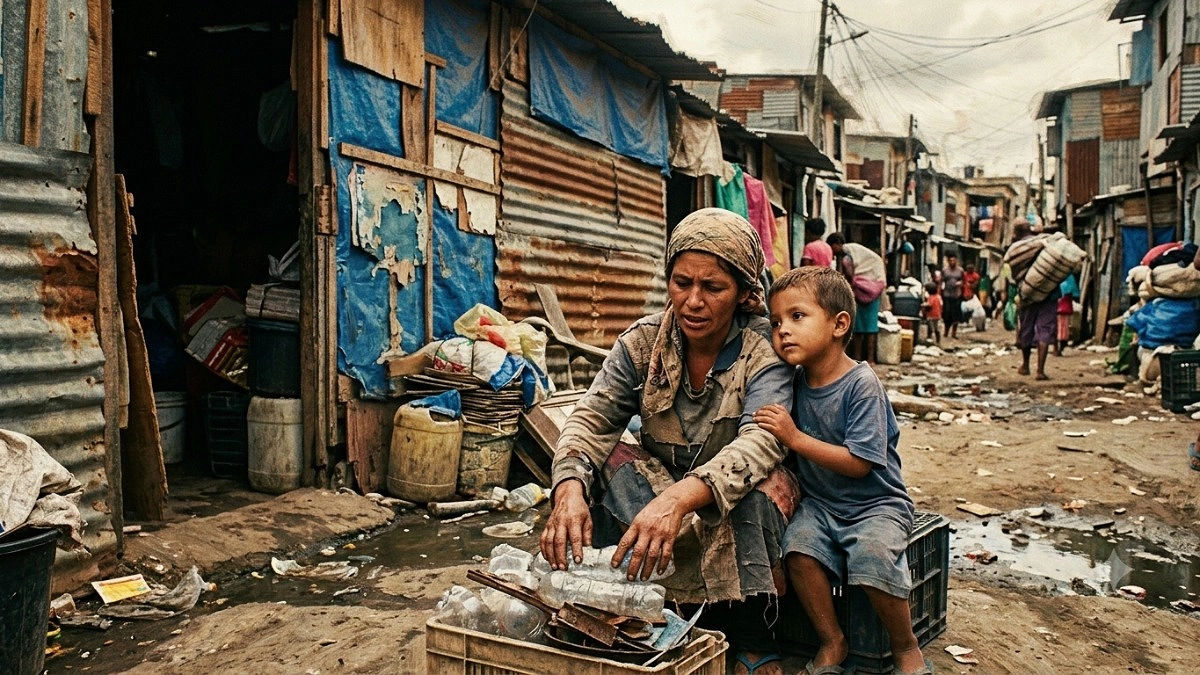
Graphics: Agamir Somoy
UNICEF said escalating Middle East tensions and shipping disruptions could push 1.2 million more people into poverty in Bangladesh and an additional 23.4 million children into monetary poverty by the end of 2026.
A new report, “The Impact of the War in the Middle East on Children in Monetarily Poor Households,” highlighted how soaring food and energy prices are eroding household purchasing power across 167 countries.
Disruptions linked to the closure of the Strait of Hormuz particularly affect the world's most vulnerable households.
UNICEF Executive Director said, Catherine Russell “Children are paying the price for the escalating conflict in the Middle East, including children far beyond the region. The longer this continues, the worse the consequences will be.
“Rapidly rising costs are making food and education unaffordable for many families. For children already living in poverty, these shocks deepen deprivation and can cause harm that lasts a lifetime.”
The report outlined two potential paths: a moderate “adverse scenario” affecting 18.3 million children, and a “severe scenario” projecting 23.4 million additional children in poverty if the conflict and economic disruptions persist.
Asia and Africa bear the brunt of this crisis, representing 80 percent of the total global increase.
In Somalia, fuel prices in Mogadishu doubled within days of the escalation, driving up costs for food, water, and humanitarian aid. Ethiopia faces a 31 percent rise in diesel prices and a 50-70 percent jump in humanitarian fuel costs. Low-income households in Nigeria now spend 60-70 percent of their earnings on food and transport.
Meanwhile, in Bangladesh, rising costs for staples like rice, lentils, and cooking oil could push another 1.2 million people into poverty. UNICEF urges global leaders and financial institutions to protect children by:
- Safeguarding domestic and international funding for essential health, nutrition, and education services.
- Scaling up social protection systems, such as child-sensitive cash transfers.
- Ensuring uninterrupted access to affordable supplies through inflation-adjusted spending floors.
- Expanding fiscal space through debt-service suspension or restructuring.
- Implementing child-focused preparedness systems to reach families rapidly when shocks hit.
Russell concluded, “This crisis is putting the lives and futures of children at risk. If the world fails to act swiftly, the combined effects of conflict, economic instability and rising costs will push millions of children into deeper poverty. We could see hard-earned development gains unravel.”

