

US-Iran Pact Puts Netanyahu-Trump Alliance to Test

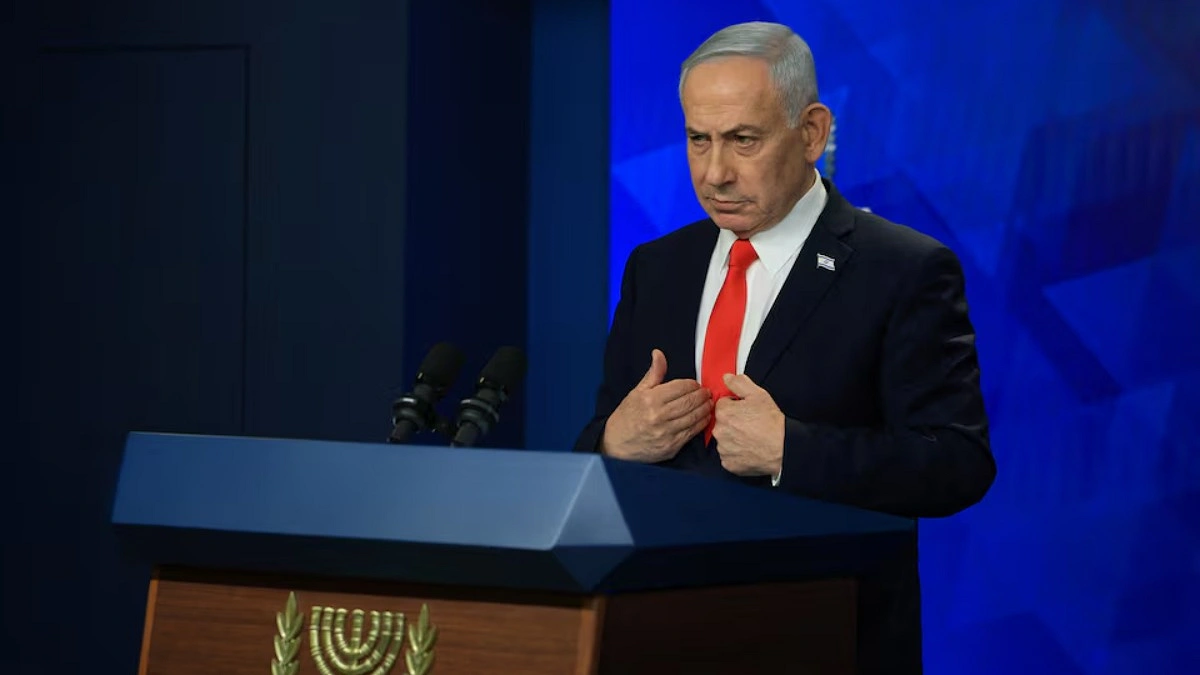
Photo: REUTERS
The strategic alliance between Israeli Prime Minister Benjamin Netanyahu and President Donald Trump is facing a severe test as the US moves towards a ceasefire with Iran.
Netanyahu, who had hoped a joint war would topple Iran’s clerical rulers and bolster his domestic political standing, now finds himself on a collision course with a US president seeking to extricate himself from the conflict.
While Israeli officials have remained cautious in public, private frustration is evident. A senior Israeli official, speaking on condition of anonymity, described the preliminary agreement as “terrible for Israel,” adding that “there is no one in the Israeli leadership who views it otherwise, from the prime minister to the chief of staff.”
The agreement establishes a 60-day ceasefire during which Washington intends to negotiate terms addressing US and Israeli concerns, particularly regarding Iran’s nuclear programme.
However, Israeli officials expressed concerns that the negotiating period would likely be extended, effectively tying Israel’s hands from taking military action while its security concerns remain unresolved.
Tensions between the two leaders have escalated over Israel’s refusal to limit its operations against the Iran-backed Hezbollah in Lebanon. Earlier this month, Trump reportedly described Netanyahu as “fucking crazy” during an angry phone call, ordering him to cease strikes on Beirut while the US pursued a deal with Tehran.
Although Netanyahu briefly called off attacks, he struck Beirut’s southern suburbs a week later, provoking Iranian missile strikes and a public rebuke from Trump.
Hours before the interim deal was announced, Israel struck the Lebanese capital again on Sunday following rocket fire from Lebanon, which Trump dismissed as “small and meaningless”.
At a press conference in Jerusalem on Monday, Netanyahu admitted to differences with the US President, stating, “He is the president of the United States, I am the prime minister of Israel. We many times see eye-to-eye and there are times when we see eye-to-eye less so. I am in charge of Israel’s security interests.”
Memorandum of Understanding (MoU) between the US and Iran is expected to be signed on Friday in Switzerland, mediated by Pakistan. The pact reportedly calls for a permanent halt to military operations on all fronts, including Lebanon. Despite this, Netanyahu asserted that Israel would maintain its forces in southern Lebanon and its “freedom of action.”
He told reporters, “Iran wanted us to withdraw from it but I stood firm. We are keeping our freedom of action and we are keeping the security zone to protect (Israel’s) northern citizens.”
The deal is expected to reopen the Strait of Hormuz oil chokepoint, but issues such as Iran’s missile programme and support for regional armed groups are not believed to be on the immediate negotiation agenda.
According to political scientist Jonathan Rynhold, Netanyahu “will be unable to sell this agreement to the Israeli public,” as it undermines his claim of having a uniquely effective relationship with Trump.
This sentiment is reflected in a poll by the Israel Democracy Institute, which shows that only 41 percent of Jewish Israelis now believe Trump considers their security a central priority, down from 64 percent in March.
Meanwhile, Israeli Energy Minister Eli Cohen told the public broadcaster Kan that Israel remains prepared to act independently. He stated, “If Iran tries to renew its nuclear and ballistic missile programmes - we will be there and act.”
Source: Reuters (adapted)

