
Iran’s Frozen Assets Estimated at $50-$100 Billion Worldwide
- $35 billion held across four Asian countries
- $2 billion in the United States
- $24 billion in frozen Iranian assets could be released within 60 days

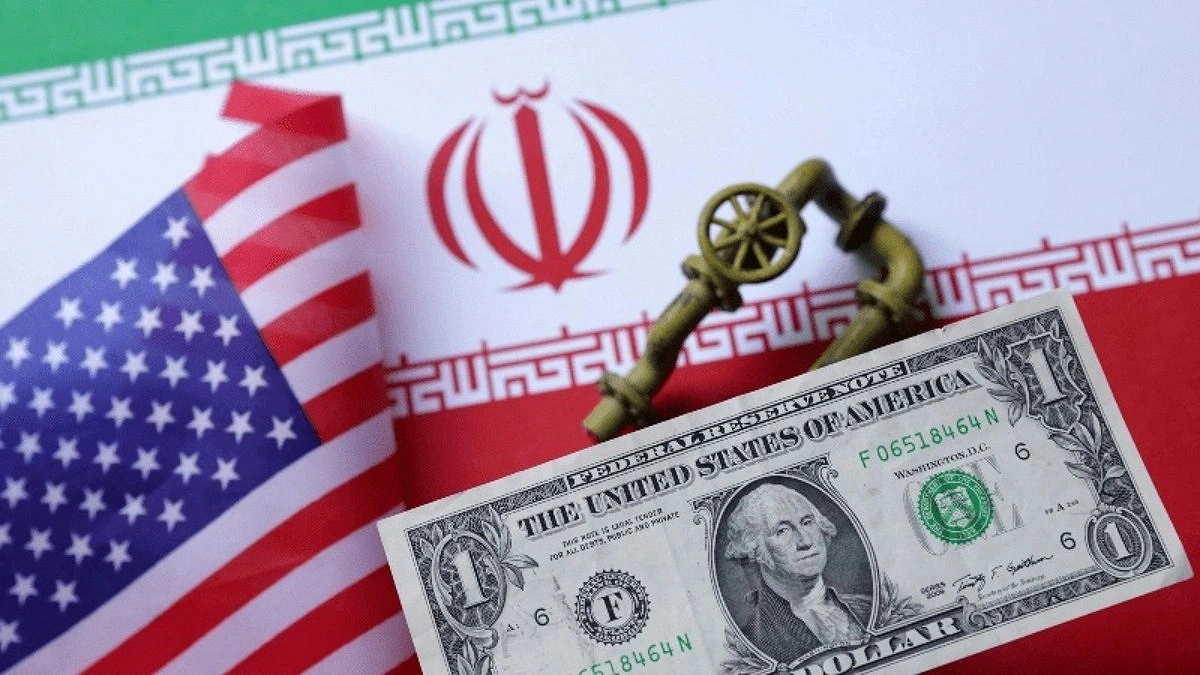
Photo: Reuters
Frozen Iranian funds have emerged as a key issue in the latest round of Iran-US ceasefire negotiations, with Tehran seeking access to long-blocked financial resources.
Under a deal signed Thursday, the United States is expected to release $24 billion of Iran’s frozen assets within 60 days. However, financial research institutions say the exact total value of Iran’s blocked funds remains uncertain.
According to the Congressional Research Service (CRS), various think tanks, and Reuters reports, Iran has between $50 billion and $100 billion in frozen assets held across multiple countries. The estimates vary depending on whether limited oil revenues, investments, commercial holdings, and legal claims are included.
Analysts say the frozen funds could exceed one-quarter of Iran’s annual economic output.
Most of these assets have been blocked due to Iran’s nuclear program and decades of broad financial sanctions. Under the new agreement, only a portion of the total funds is expected to be released.
Experts say Iranian assets are frozen under different legal jurisdictions around the world. Reports suggest around $20 billion is held in China, $7 billion in India, $6 billion in Iraq, $1.5 billion in Japan, and $2 billion in the United States. Additional Iranian funds are also held in several European financial hubs.
The US directly controls only a small portion of the total frozen assets, but the funds have long served as a major bargaining chip in US-Iran relations.
After the 2015 nuclear deal (JCPOA), some Iranian funds were released. In 2023, about $6 billion in Iranian oil revenue held in South Korea was transferred to restricted accounts in Qatar as part of a US-backed prisoner exchange agreement.
However, following the outbreak of the Gaza war in October 2023, access to those funds was effectively frozen again, leaving the money inaccessible to Tehran despite being held in Qatar.
At the time, critics aligned with former US President Donald Trump opposed any easing of restrictions, arguing that such funds could indirectly support Iran’s military capabilities or its regional proxy networks.
